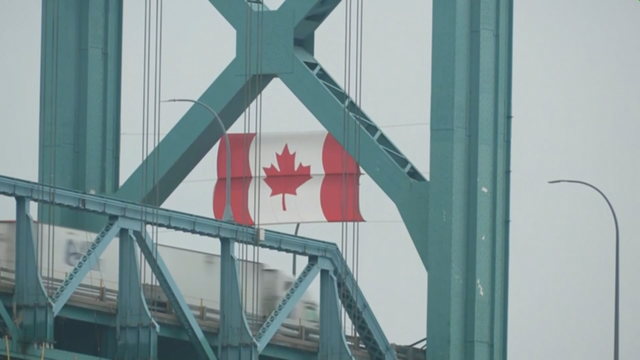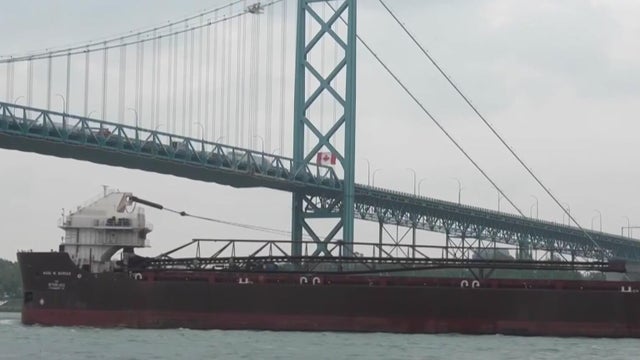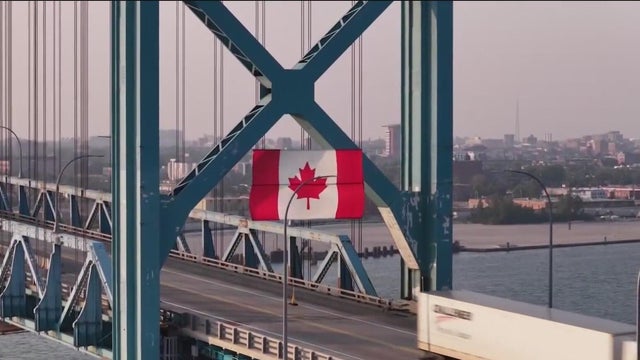
U.S. ban on almost $1 billion in Canadian imports takes effect
The United States has banned nearly $1 billion worth of Canadian imports, including alcoholic beverages, dairy products and motorcycles.
Watch CBS News
The United States has banned nearly $1 billion worth of Canadian imports, including alcoholic beverages, dairy products and motorcycles.
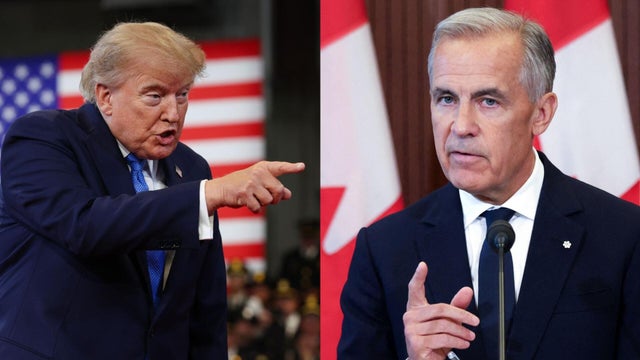
Canada's leader draws regular scorn from President Trump, but European leaders gave him a standing ovation as they aim to push their ties to "the highest level."
One Canadian whiskey maker has found a workaround to Trump's Canadian alcohol ban.
Mr. Trump's pledge to give $5,000 to Americans would stoke inflation and worsen the nation's fiscal outlook, according to economists.
The tariffs come in response to tariffs imposed by the Trump administration last month.
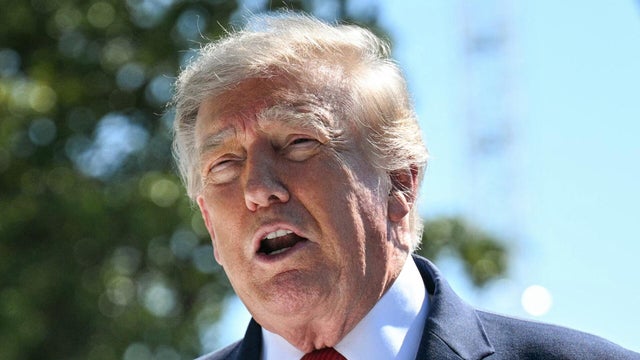
The Trump administration moved Tuesday to ban imports of Canadian motorcycles, some dairy products and most types of alcohol starting later this month, intensifying the trade war between the two countries.
Canada's steep retaliatory tariffs on $20 billion in U.S. goods took effect just after midnight ET on Tuesday, deepening the trade war between the two countries.
Canada's retaliatory tariffs are now in effect, raising concerns about their impact on Michigan businesses with strong ties to the Canadian market.
Canada is imposing new tariffs on a wide range of U.S.-imported goods, starting at midnight Monday. Here's an explanation of what happened and why.
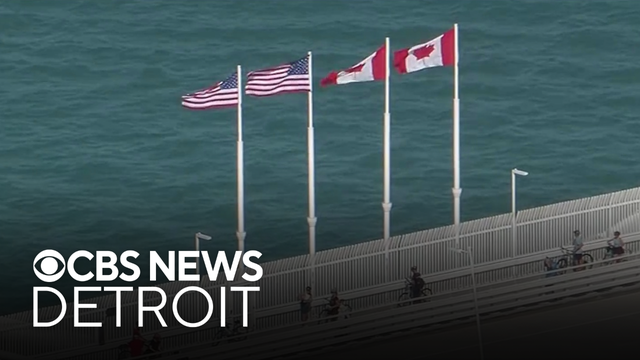
Lake Ontario is part of the Great Lakes region, bordering the Canadian province of Ontario and the U.S. state of New York.
Canadian officials said the tariffs set to be imposed on more than 800 U.S. imports are "strategic" and designed to target some states.
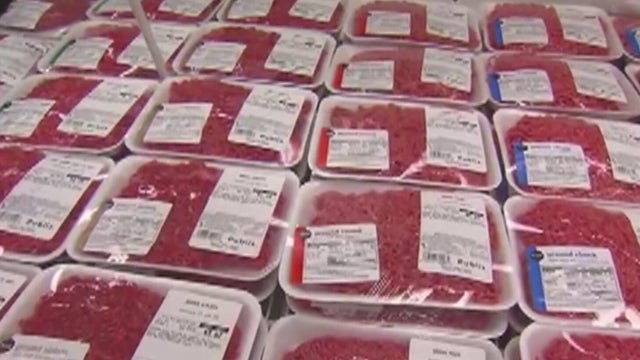
President Trump announced on Friday that the U.S. will waive higher tariffs on ground beef imports and allow up to 300,000 metric tons of ground beef to be imported over the next 90 days.
Canadian government officials said they are also providing aid for workers and businesses that could be hurt by U.S.-imposed tariffs.
CBS News Detroit is looking into the impact tariffs between the U.S. and Canada will have on Michigan wallets.
President Trump announced this week that the U.S. will impose a 50% import tax on several Canadian goods, including alcohol, dairy, hockey equipment, and paper and wood products. I
The trade war between the U.S. and Canada is becoming more heated. CBS News recaps the tariff situation along with other news from the White House.
President Trump said tariffs on Canadian automotive and steel imports will rise to 50% on Jan. 1, 2027, in a social media post.
Although some Canadian goods will get more expensive in the U.S., trade experts don't expect a broader inflation spike.
President Trump said in a social media post that tariffs on Canadian automotive and steel imports will rise to 50% on January 1, 2027. Natalie Brand reports.
The U.S. imposed 50% tariffs on $20 billion in Canadian products on Saturday after negotiations between the historic allies failed. Canada's leader said it will retaliate beginning Sept. 8. CBS News has this report.
The U.S. and Canada have wrangled for decades over trade, and somehow, they still managed to remain friends, allies and trading partners.
Trade talks between Canada and the U.S. broke down late Friday, prompting the U.S. to impose hefty new tariffs on Canada and Canada to prepare retaliatory tariffs on U.S. goods next month.
Canada and the U.S. are in a trade war after negotiations for a deal between the two countries failed late Friday. The U.S. is set to impose a 50% tariff on $20 billion worth of Canadian products. Canada has vowed to respond. Julia Avant spoke with Sandy K. Baruah, the CEO of the Detroit Regional Chamber, about the impact the tariffs could have on Michigan.
Ground beef prices, now averaging nearly $7 a pound, remain historically high due to shrinking cattle herds.
The company told CBS News it will direct the refunds toward groceries and general merchandise.