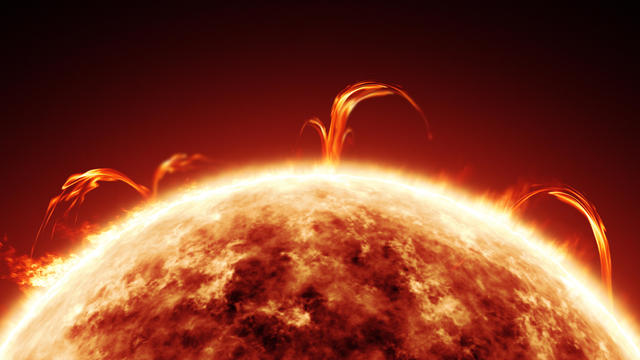
Earth was just slammed with a "severe" geomagnetic storm
NOAA said people as far south as Alabama may have seen the northern lights and that the sun could expel the strongest type of solar flares over the next few days.
Watch CBS News
NOAA said people as far south as Alabama may have seen the northern lights and that the sun could expel the strongest type of solar flares over the next few days.
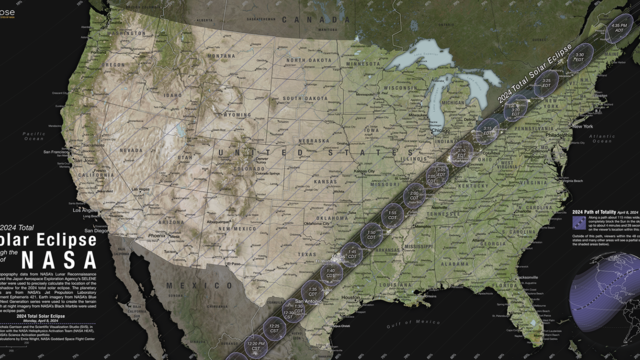
The solar eclipse will impact solar production in Texas between 12:10 p.m. and 3:10 p.m. CDT. But the power grids are expected to be reliable.
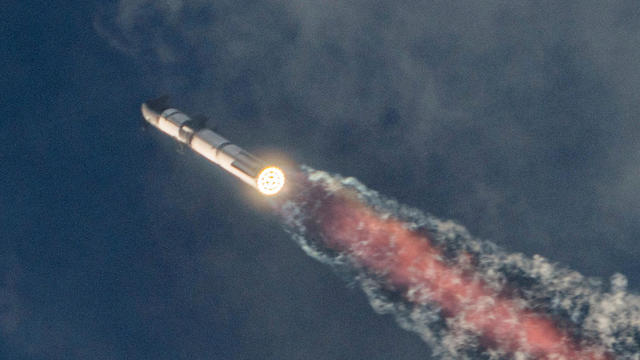
Today's test flight of the SpaceX Super Heavy-Starship rocket follows two launches last year that were only partially successful.
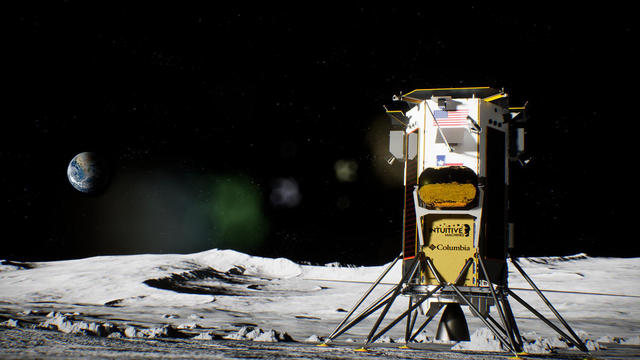
Intuitive Machines's Odysseus lunar lander became the first privately-built spacecraft to safely complete a moon landing.
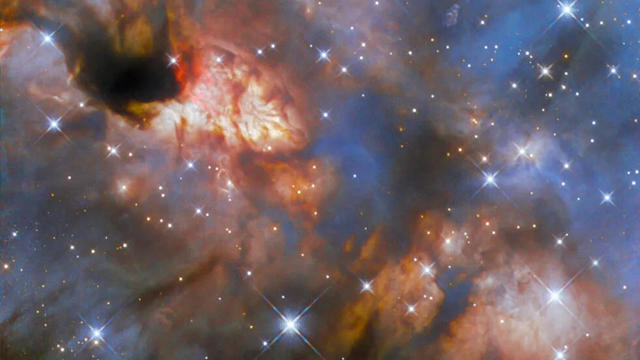
The Hubble Space Telescope captured a bold photo of the likely star forming about 5,900 light-years from Earth.
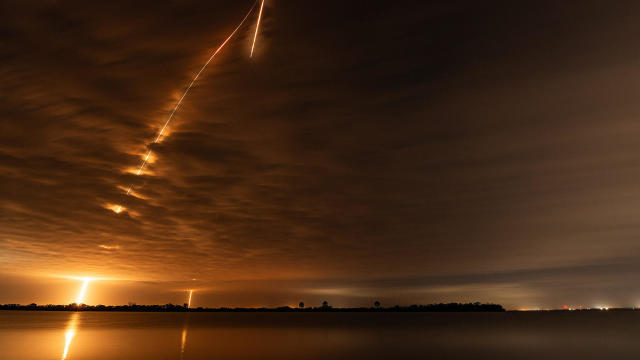
The spacecraft's instruments will study how Earth's oceans, atmosphere and land masses interact and how that interaction impacts climate change.
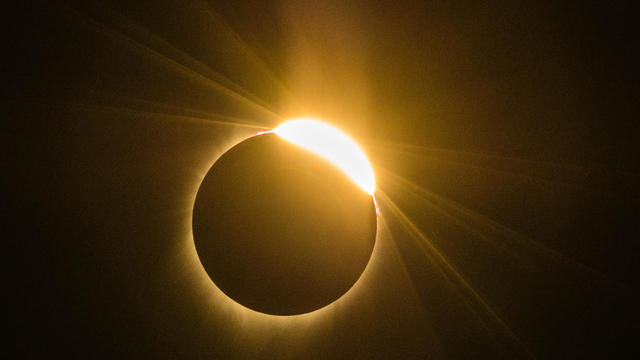
Astronomy fans can enjoy celestial events throughout 2024, looking to the sky to see full moons, meteor showers and a total solar eclipse. Here are the key dates to mark on your calendar.
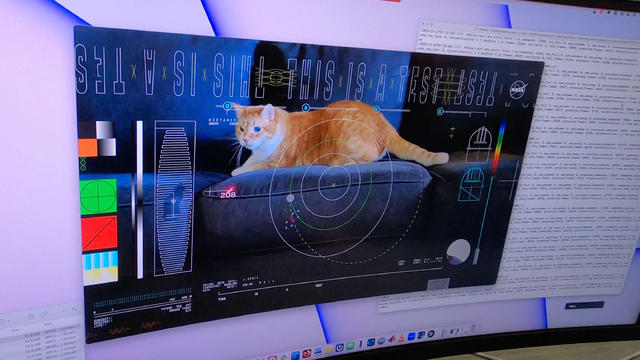
NASA, working to send high-bandwidth video and data from deep space to Earth, transmitted a video of a cat named Taters as part of an experiment.
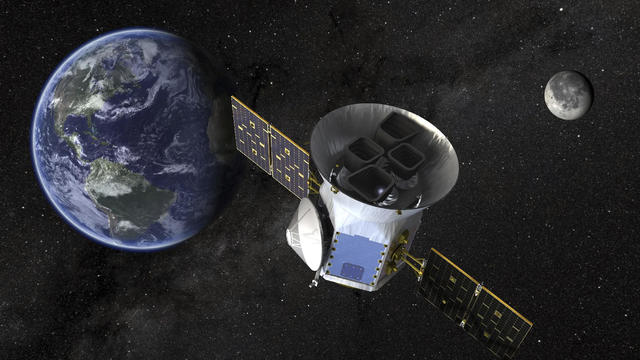
Astronomers have discovered six planets orbiting a bright, nearby star in perfect synchrony like a grand cosmic orchestra.
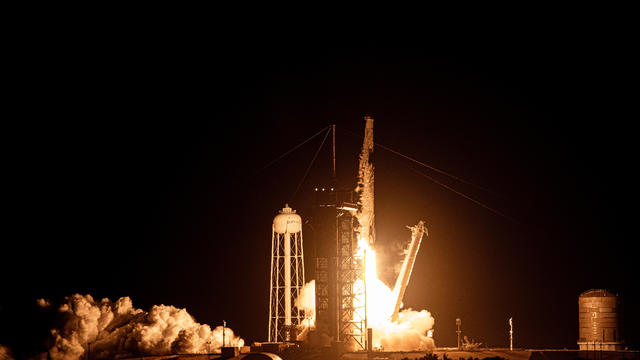
The unpiloted Dragon cargo ship is loaded with 6,500 pounds of research equipment, supplies and fresh food.
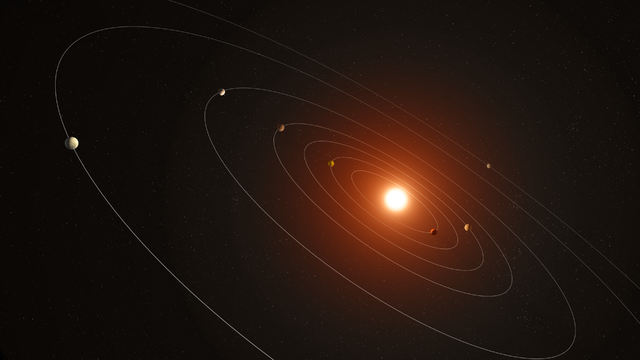
NASA described the planets as "scorching" and "bathed" in heat emitted by a distant host star.
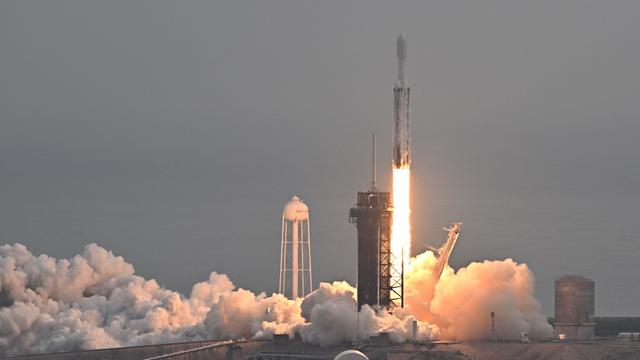
The asteroid Psyche may be a sample of planetary core material left over from the birth of the solar system 4.5 billion years ago.
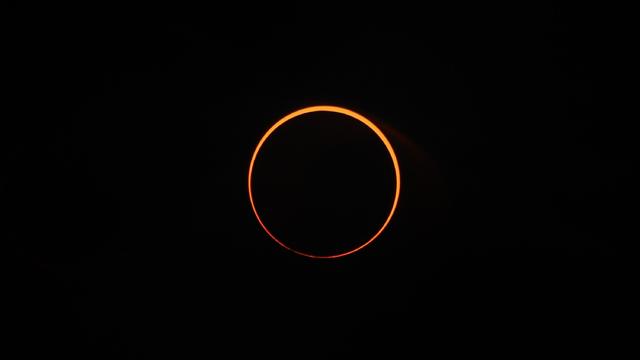
A rare "ring of fire" solar eclipse will move across the U.S. on Saturday. NASA shared a viewing map and timeline.
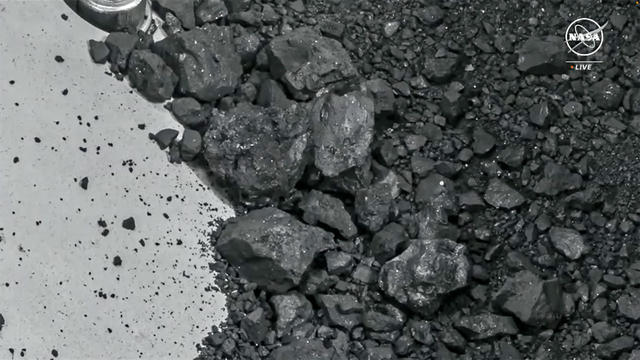
Water-bearing clays found in rocks from the asteroid Bennu support theories about how water may have made it to Earth in the distant past.
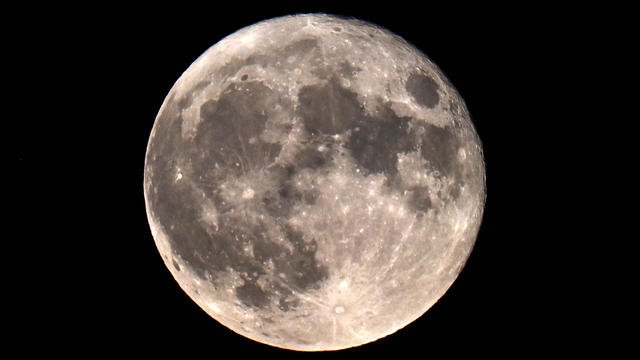
September's full moon, also known as the harvest moon, will be the last of four consecutive supermoons.
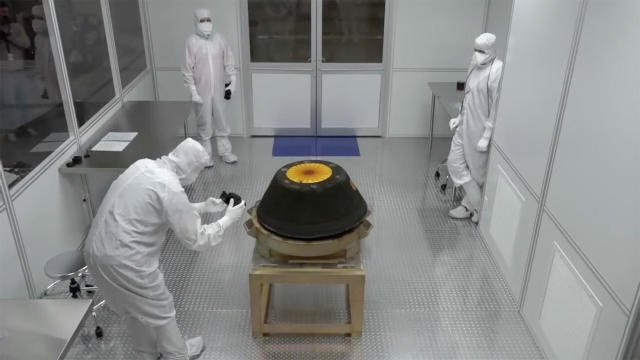
In a dramatic 13-minute plunge back to Earth, the OSIRIS-REx sample return capsule safely landed in Utah after seven years in space.
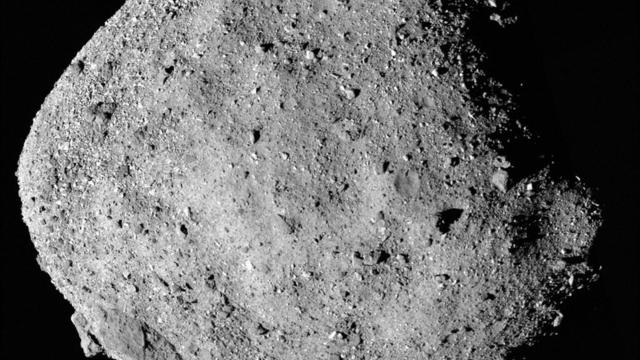
The OSIRIS-REx sample return in Utah will bring a seven-year, four-billion-mile journey to a close, providing insights into the birth of the solar system.
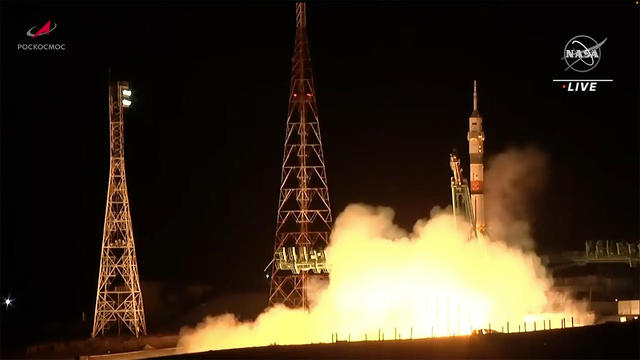
The crew is replacing another Soyuz crew, including NASA's Frank Rubio, who's wrapping up a record 371-day stay in space.

Jamie Maussan, a longtime UFO researcher, was joined in Mexico's Congress by a former U.S. Navy pilot, who later dismissed Maussan's "unsubstantiated stunt."
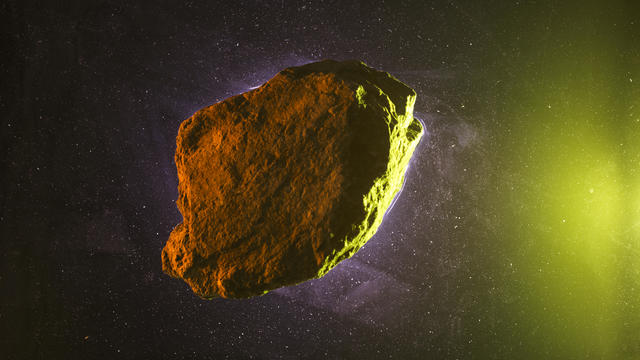
None of the asteroids pose any threat to Earth, according to NASA's Asteroid Watch dashboard.
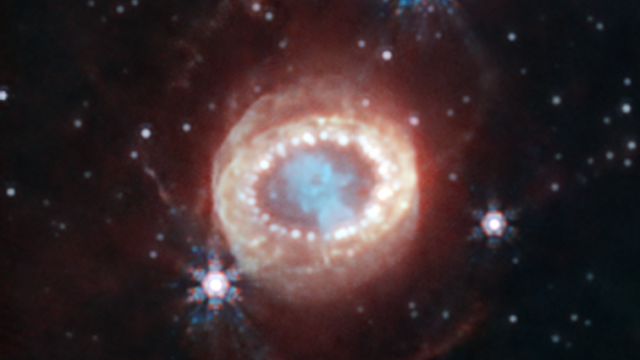
The powerful James Webb Space Telescope revealed "crescent-like structures" within the SN 1987A supernova.
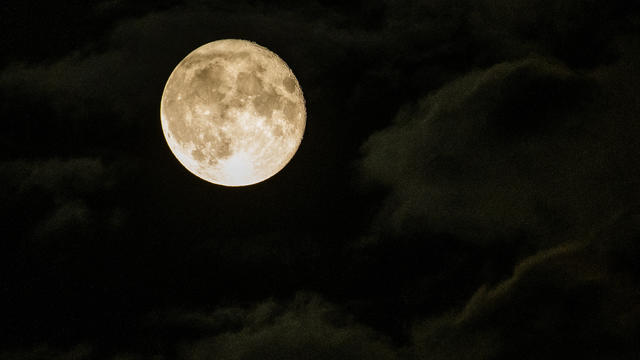
On Aug. 30, you will be able to see the month's second full moon, also known as a blue moon. It will appear bigger and brighter than usual, making it a supermoon, too.
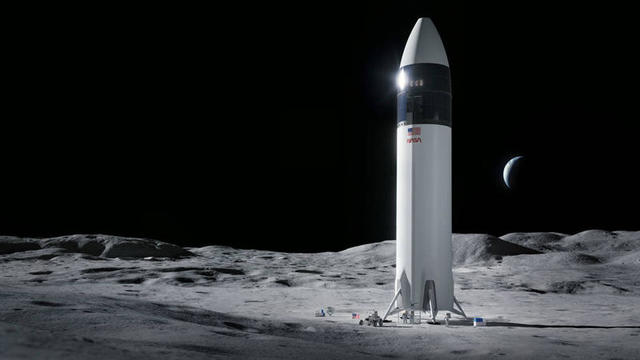
The department charged that SpaceX refused to "fairly" consider applications from refugees or to hire them.

SpaceX launches another batch of Starlinks and readies a Crew Dragon flight to the space station while Russia launches its Progress supply ship.
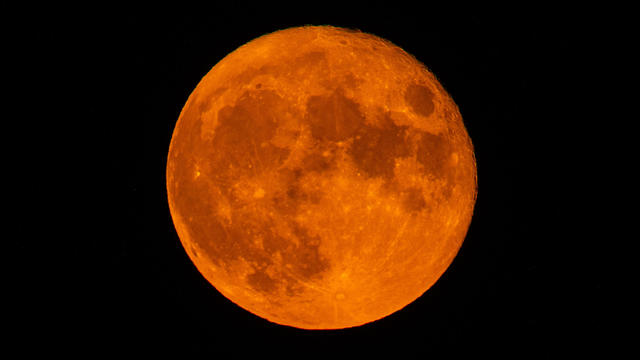
August features a pair of supermoons. The second supermoon will be a rare blue moon.