What is an ice jam? What to know about the unpredictable hazard on waterways

While most of us associate flooding with spring rains, one of the most unpredictable hazards on Michigan waterways happens in the dead of winter: the ice jam.
An ice jam is a temporary, natural dam made of broken chunks of river ice.
When these chunks accumulate, they can block river flow, causing water to back up rapidly behind the blockage.
This can lead to flash flooding in upstream areas within minutes, while areas downstream might see water levels drop suddenly until the jam breaks. These jams typically form in two ways.
A "freeze-up jam" occurs when supercooled water creates slush that clumps together and obstructs flow.
However, the most common type is often a "break-up jam." This happens when heavy rain or snowmelt raises the river level, shattering the existing ice cover. The broken sheets of ice flow downstream until they get stuck at narrow points, sharp bends, or bridges.
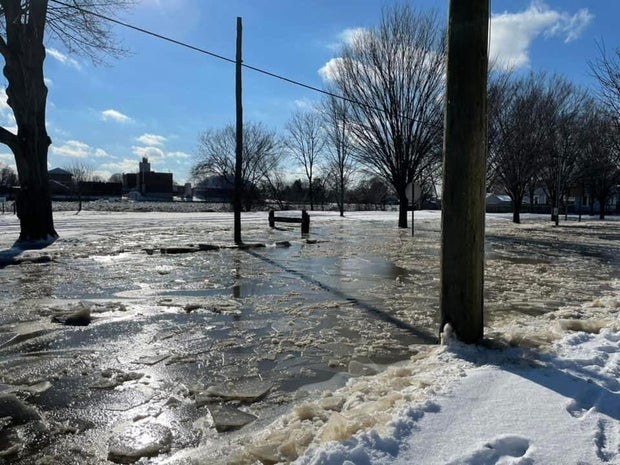
Residents of Monroe saw firsthand how quickly an ice jam can form in mid-February 2022.
Following a period of heavy rain and melting snow, the River Raisin swelled, breaking up its icy surface. When temperatures plummeted shortly after, the massive volume of ice froze and clustered together, creating a choke point.
The resulting jam forced the river out of its banks and into local neighborhoods.
On Feb. 18, 2022, streets near East Front and Elm were submerged under waist-deep water and heavy ice chunks.
The flooding was so rapid and severe that emergency crews had to perform rescues for drivers who became stranded in freezing floodwaters.
With warmer temperatures for a week straight ahead of us and plenty of snow to melt, we may see a risk of ice jams.
Always keep a close eye on conditions, especially as rain and warmth arrive next week.