Ice expands on Great Lakes with cold blast; Lake Erie over 90% covered in ice

The arctic air mass entrenched over the Great Lakes has resulted in ice expansion across the lakes over the last several days.
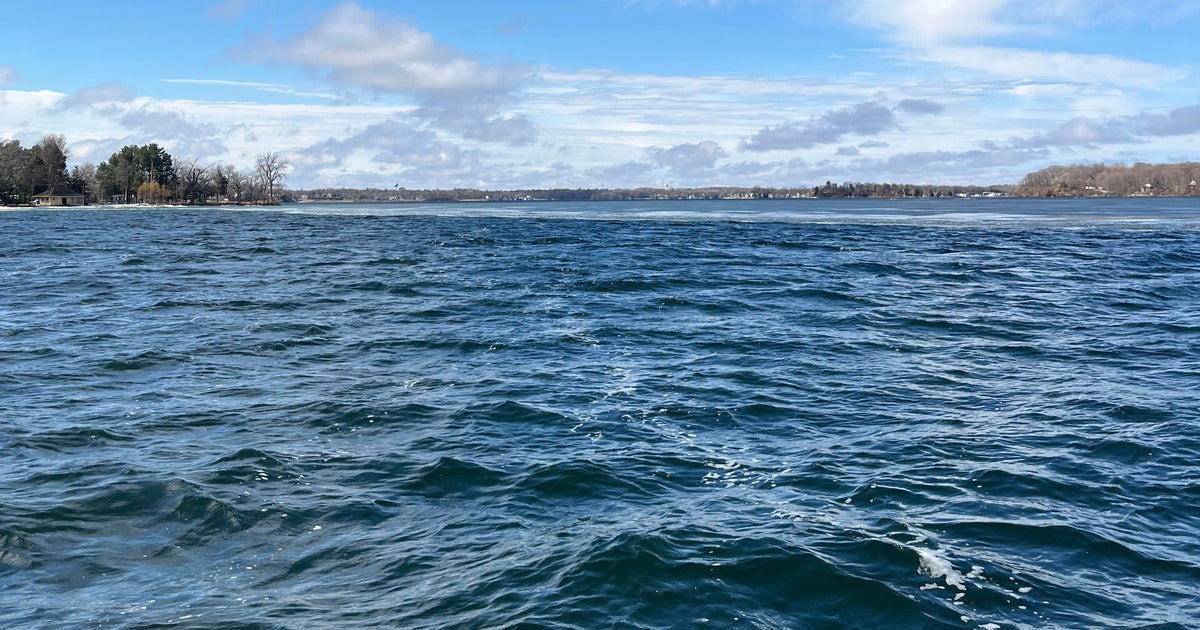
As of January 26, total ice coverage on the Great Lakes is about 43.2%. Lake Erie, the shallowest, has over 90% ice coverage. Most of the lakeshore of Lake Huron is at least 90% ice-covered, with fast ice covering the entire Saginaw Bay. The Straits of Mackinac are mostly ice-covered.
The nearshore areas of eastern Lake Michigan, including Grand Traverse Bay, have spotty ice coverage. Lake Superior is about 30% ice-covered.
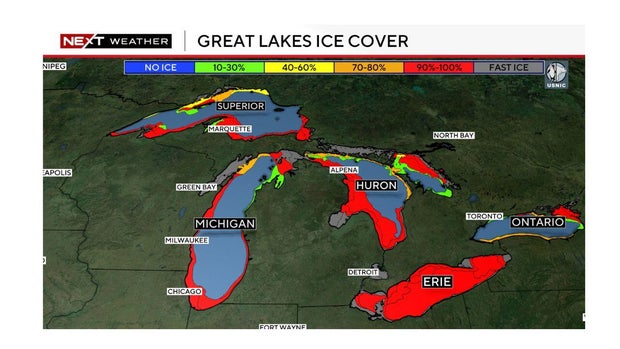
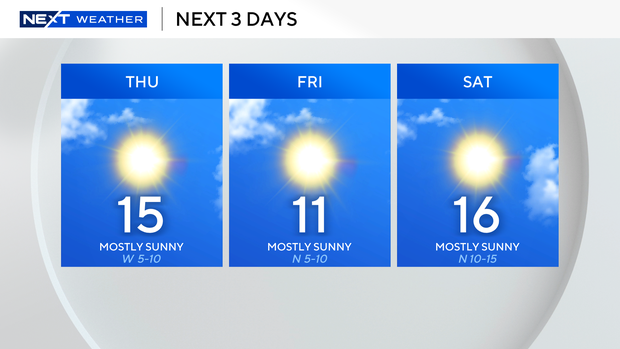
The arctic air and well-below normal temperatures will remain in place across the Great Lakes through the end of the week, which will allow for additional moderate ice growth.
Each Great Lake now has more ice cover than the long-term average, and the ice is well ahead of schedule. Peak ice for the lower Great Lakes is generally seen from mid-February to the end of February; and for the upper lakes it is from the end of February to early March.
The overall highest percentage of ice coverage for all the Great Lakes took place in 1979 when they were 94.7% covered, according to NOAA.
More ice can mean less lake effect snow, but it can also mean a colder, drier, and delayed spring. The ice inhibits evaporation leading to drier conditions, and because it reflects sunlight rather than absorbing it, the water remains cold for much longer. This can help hold down temperatures, delaying the arrival of spring warmth and keeping temperatures cooler, especially along the coastline.
Even as the ground begins to warm in late spring, any wind coming off the icy lakes will bring colder temperatures to the Metro Detroit area.
For example, in 1979, when the lakes were nearly 95% covered, the average high temperatures for April and May were five degrees below average, and nearly two degrees below average for the month of June.