Unusual beetle intercepted at Detroit Metro Airport among passenger's belongings

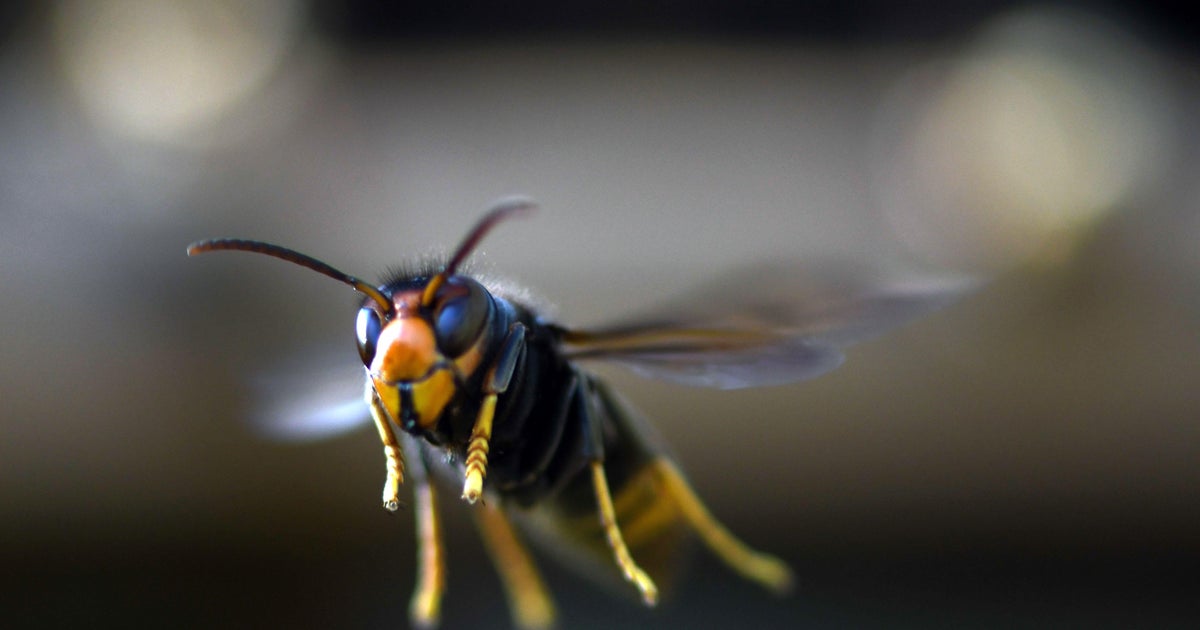
An insect intercepted amid the belongings of a passenger at Detroit Metro Airport has since been identified as a potentially destructive tropical beetle species.
The U.S. Customs and Border Protection said the nearly 3-millimeter-sized beetle, now known to be from the species Ctonoxylon spinifer Eggers, had never before been intercepted at a U.S. port of entry.
"This first-time bark beetle interception is significant because many species are tree-destroying pests," said Port Director Fadia Pastilong. "This type of discovery highlights the exceptional work of our CBP agriculture specialists."
The tiny beetle was found in February, within partially dry bark from the Ivory Coast that a passenger at Detroit Metro had with them while en route to Texas. The passenger had brought the bark for medicinal purposes, customs officials said, and the items were found during a routine inspection.
Customs officials seized the prohibited bark, with the beetle, for further analysis and released the passenger.
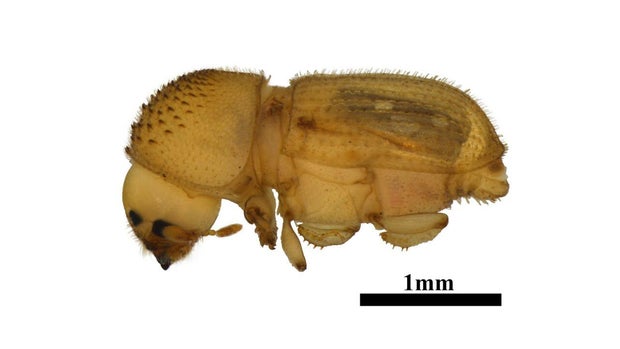
Initial identification pegged the beetle as from the Afrotropical genus Ctonoxylon. A few weeks ago, local U.S. Department of Agriculture officials were able to further identify it as the species Ctonoxylon spinifer Eggers.
This particular insect is unusual even among bark beetles. The Ctonoxylon will tunnel and breed within layers of bark, customs officials said. Several of the known species in that Afrotropical genus feed on fig and olive trees; "therefore, there is potential for this pest to cause significant agricultural and economic damage in regions that grow them, such as Texas," the agency said.
Travelers are asked to help safeguard American agriculture and natural resources by declaring all agricultural items.
"Big threats can come in small packages, and our agriculture specialists work diligently to protect our agriculture and natural resources against dangers of all shapes and sizes," said Director of Field Operations Marty C. Raybon.
Previous reports of unwelcome agricultural pests intercepted amid imports at DTW include African bushmeat brought by travelers from Togo and Gabon, caper fruit fly larvae amid fresh flowers from Italy, and pavement ants amid the root balls of two trees from Lebanon.
A list of prohibited and restricted items can be found on the CBP website.
The above video originally aired on Aug. 20, 2025.