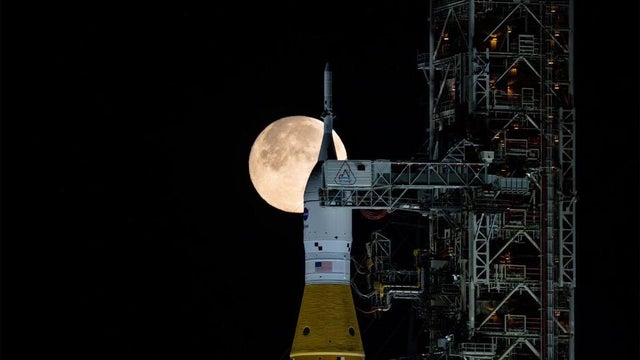
Everything to know about NASA's Artemis II moon mission
NASA launched four astronauts on a historic nine-day trip around the moon and back. Here's everything to know about the Artemis II mission.
Watch CBS News
NASA launched four astronauts on a historic nine-day trip around the moon and back. Here's everything to know about the Artemis II mission.

The Artemis II countdown will begin March 30, setting up a launch attempt on April 1 at 6:24 p.m. Eastern Time.
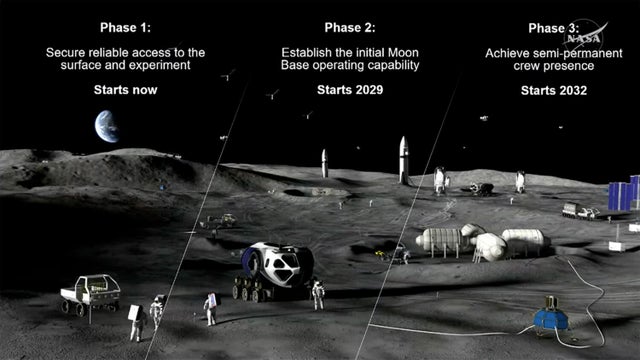
In an on-going overhaul of NASA's Artemis program, agency officials say it will take seven years to build a sophisticated base on the moon.
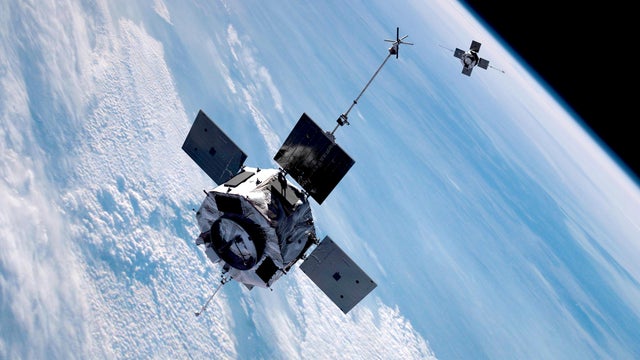
The Van Allen probe's mission was meant to last two years, but ended up going for nearly seven.
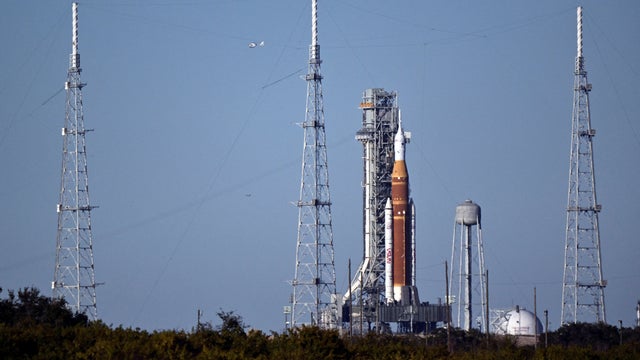
NASA Administrator Jared Isaacman announced significant changes to the agency's Artemis program, which aims to land on the moon in 2028.
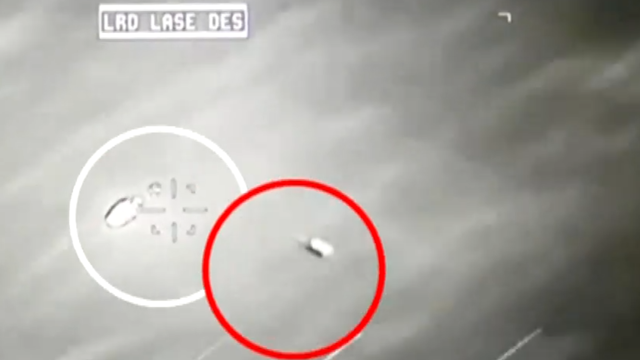
The Pentagon's release of files might help scientists shed light on unexplained phenomena and government secrets, experts said.
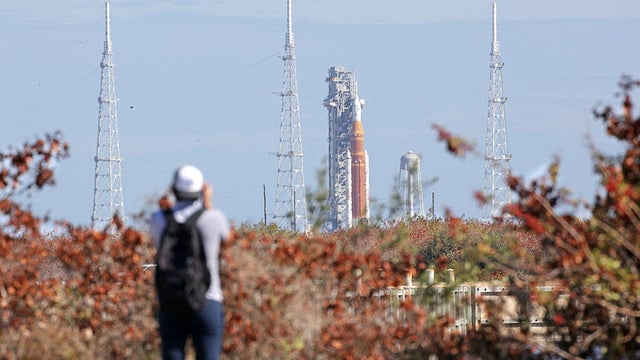
The Artemis II mission aims to send four astronauts — Reid Wiseman, Victor Glover, Christina Koch and Canadian astronaut Jeremy Hansen — on a flight around the far side of the moon and back.
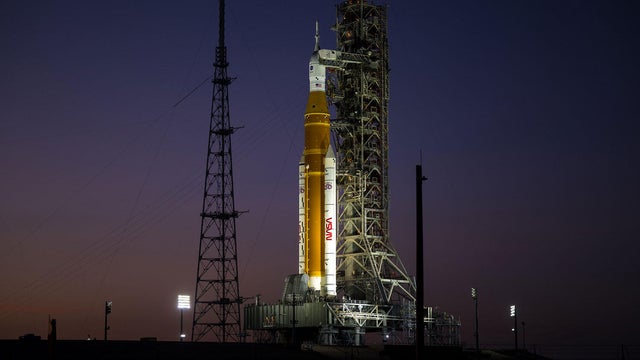
A successful fueling test prompts NASA to press ahead toward a March 6 moonshot.
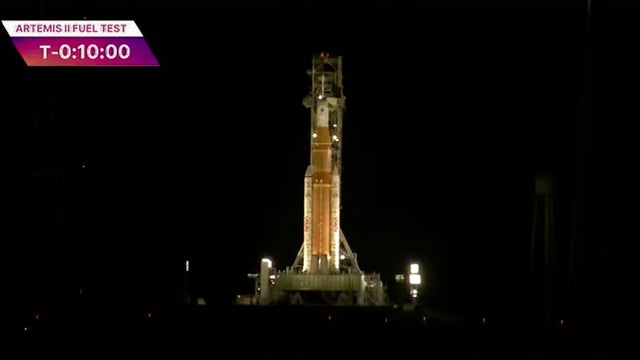
NASA says it can't try until March at the earliest to send a crewed spacecraft on a flight around the moon and back, due to hydrogen leaks during testing of the Artemis II rocket.
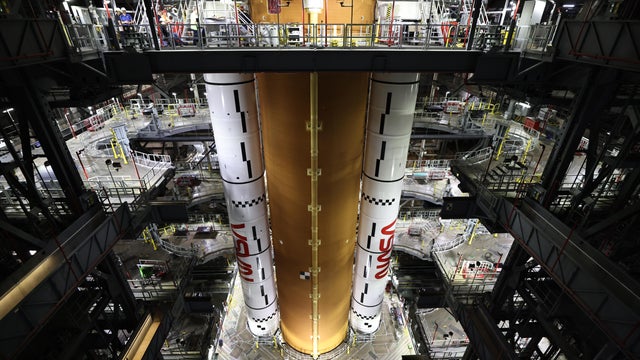
Depending on the timing, NASA could launch a fresh crew to the space station while four other astronauts are flying around the moon.

NASA continues to aim its space telescopes at the visiting ice ball, estimated to be up to 3.5 miles in size.
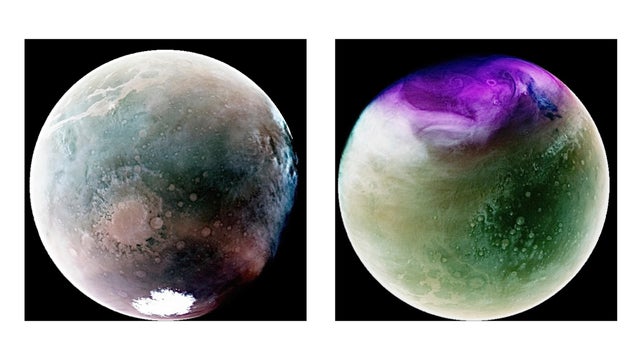
NASA has lost contact with a spacecraft that's been orbiting Mars for more than a decade.

Russian Soyuz crews are now spending eight months aboard the space station instead of six to stretch supplies and lower costs.

The rare interstellar comet, also known as 3I/ATLAS, was first discovered in July and has been photographed several times.

Blue Origin, owned by Jeff Bezos, plans to challenge SpaceX with the powerful, partially reusable New Glenn rocket.