Colorado experts say trees and shrubs still need attention despite cooler fall weather

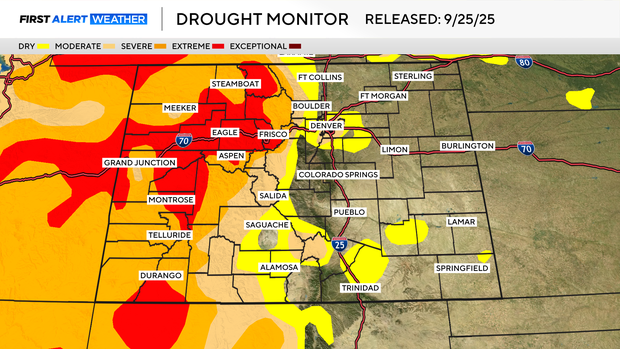
Colorado's recent rainfall and early-season snow may seem like a sign that drought conditions are easing -- but the latest U.S. Drought Monitor, released Thursday, tells a different story.
This week's update shows little change compared to last week. That's because the report only includes data collected through Tuesday morning, meaning most of the moisture we've seen since then wasn't included.
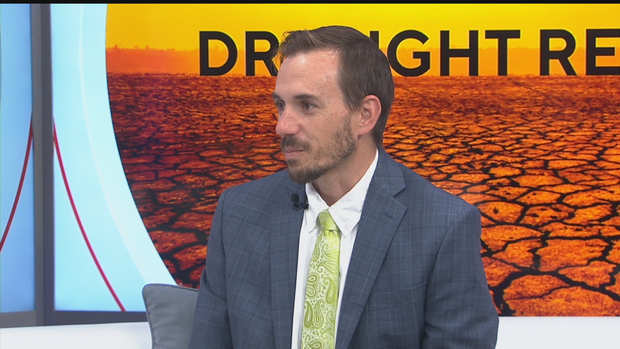
According to John Murgel, a Colorado State University extension specialist in horticulture and natural resources, cooler temperatures don't mean you can turn off the hose.
"Particularly for woody plants like trees and shrubs, watering in the fall helps set that plant up for having a great winter and a great spring afterward," Murgel said. "You don't want your trees and shrubs to go into the winter dormancy period stressed -- and the number one stress that most of those plants experience around here is drought."
Even though many plants enter a dormant phase in late fall, they still rely on available soil moisture to stay healthy through the winter.
When it comes to how much -- and how often -- to water, Murgel says it varies based on tree type, weather patterns, and soil conditions.
"It depends on what kind of tree you have, how warm the temperatures are, and what the natural precipitation has been like," he said. "The very thirstiest trees that tend to grow in Denver -- at least in the warmer parts of the summer -- want about an inch of precipitation a week. As it cools off into the fall, assuming we have a normal transition to more autumnal temperatures, then you could reduce the frequency."
He recommends monitoring soil moisture regularly using a screwdriver or soil probe. If the soil is dry more than a couple of inches down, it's time to water -- ideally on a day when temperatures are above 40 degrees Fahrenheit and the ground isn't frozen.
Tips for effective fall watering
Newly planted trees and shrubs need more frequent watering because their root systems are small and vulnerable to drying out. To keep them healthy, especially heading into winter, focus on watering the original root ball and monitor it regularly. In contrast, established trees can access water over a much larger area -- roughly as wide as the tree is tall -- so you can water a broader zone.
Water slowly to ensure it soaks into the soil rather than running off. A spot sprinkler or a low-flow hose works well -- just make sure the water is infiltrating the ground and not washing away down the gutter.
Adjust your watering schedule based on recent rain or snow. No need to water if you've had consistent, measurable precipitation.
Colorado's dry climate means fall and winter watering remains a key part of responsible landscape care -- especially during prolonged drought.
"It might not seem necessary, but a little effort now can go a long way," Murgel said. "Giving your trees and shrubs the water they need in the fall helps prevent stress and promotes healthier growth come spring."