Immigrant rights groups in Colorado demand changes to how vulnerable people are released from ICE detainment

Immigrant advocacy groups in Colorado are demanding changes to release procedures at the Aurora ICE Processing Center after an elderly man with dementia was reported missing for hours following his release from detention.
Advocates say William Ortiz-Rivera, a man in his 70s with cognitive impairment, was released from the Aurora facility before 8 a.m. on May 11 without proper coordination with support organizations or caretakers.
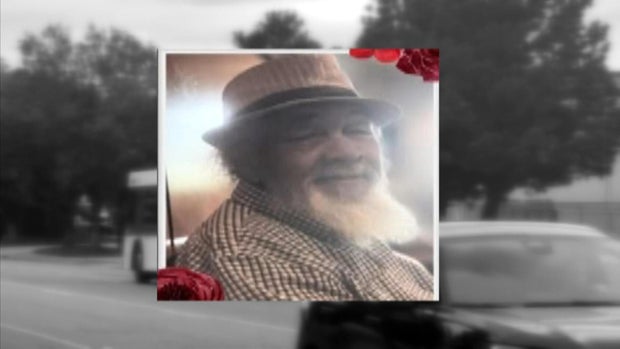
Casa de Paz, a nonprofit that assists people released from immigration detention, says Ortiz-Rivera boarded a bus and ended up in downtown Denver, miles away from home, where volunteers searched for him for roughly five hours before locating him safely.
"It really is troubling how we could just really honestly let an elderly man on to the street," said Andrea Loya, executive director of Casa de Paz.
Loya said the organization has coordinated with the Aurora detention facility in the past and has previously received calls about detainees being released.
"We have been called many times, we've been called on weekends, and we've been called on holidays," Loya said.
The organization says Ortiz-Rivera was wearing long sleeves and sweatpants in temperatures above 80 degrees and did not appear equipped to safely navigate the situation on his own.
"We looked for him all over Peoria, we looked for him all over different stations for the RTD," Loya said.
Aurora Unidos organizer Alfredo Carbajal said Ortiz-Rivera suffers from dementia and was confused during portions of his detention.
"He might not know where he's at or where he lives, so, but instead they were just like -- they just let him go," Carbajal said.
In a statement to CBS Colorado, the Department of Homeland Security defended ICE's handling of the release and emphasized Ortiz-Rivera's immigration and criminal history.
"William Ortiz-Rivera is a criminal illegal alien from Cuba with previous arrests for burglary and drug possession," a DHS spokesperson wrote. "He was issued a final order of removal by a judge in 1988 and CHOSE to remain illegally in our country."
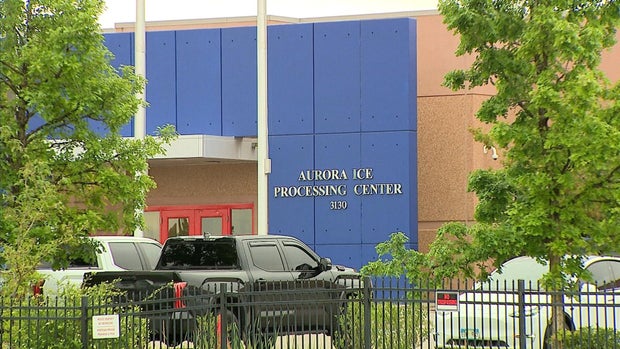
DHS said Ortiz-Rivera was released with a GPS ankle monitor, provided a public transportation voucher to travel home and that his attorney was notified. Casa de Paz disputes the attorney the group appointed Ortiz-Rivera was notified.
"While in detention, all illegal aliens also have access to phones to communicate with their family members and lawyers," the spokesperson wrote.
Advocates argue the response does not address the core concern of whether additional safeguards should exist for elderly or cognitively impaired detainees.
"This man was lost for a number of hours, and we were, quite frankly, just lucky to find him in a good condition to find him when we did," Loya said.
CBS Colorado asked DHS and GEO Group whether the facility has specific protocols for releasing vulnerable detainees, including elderly or cognitively impaired individuals, and whether ICE confirms individuals safely arrive at their destination after release. Those questions were not directly answered.
Advocates say Ortiz-Rivera has since returned home and is now back with caretakers receiving shelter, medication and support.


