CSU students are training for a veterinary job Colorado still hasn't fully defined

While Colorado regulators continue defining exactly what a new veterinary profession will be allowed to do, the first students are already training for those jobs at Colorado State University.
The university launched its Master of Science in Veterinary Clinical Care program this fall, enrolling 14 students in the state's first Veterinary Professional Associate, or VPA, program. The role was created after Colorado voters approved Proposition 129 in November 2024, a ballot measure supporters said would help address veterinary workforce shortages and improve access to animal care across the state.
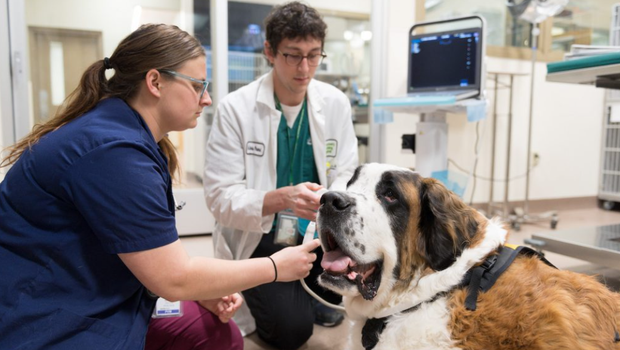
This week, the Colorado Board of Veterinary Medicine is expected to take up additional rulemaking discussions related to the profession, including issues surrounding supervision, credentialing and scope of practice. Supporters have long described VPAs as the veterinary equivalent of physician assistants in human medicine, arguing they could help veterinarians manage routine cases while expanding access to care, particularly in shelters and underserved areas, including challenges faced by rural communities seeking animal care.
At CSU, program leaders say that's exactly what they're preparing students to do.
"This program was really developed with shelter medicine in mind, because there's a huge need for veterinary care within shelters," said Dr. Shari Lanning, director of the master's program. "It's been really awesome to see this finally take off and see you know everything come to fruition after a while after working on this for years."
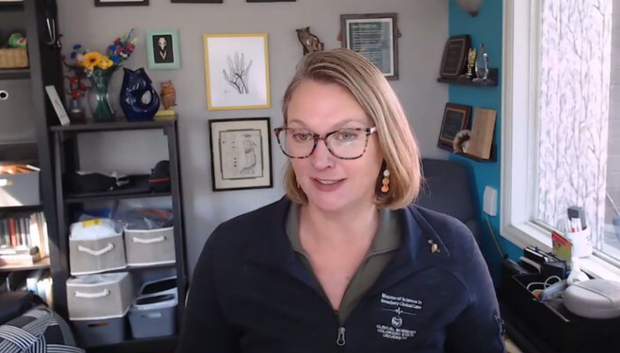
Lanning explained the program consists of five semesters and 65 credit hours. Students spend the first three semesters completing online coursework before transitioning into in-person laboratory instruction and clinical training. The first cohort would graduate in spring 2028.
"A lot of that preclinical work gets done within those first three semesters, so that when we are in-person for the fourth semester, they've got that foundation down," Lanning said.
The curriculum focuses on canine and feline medicine and includes instruction in clinical skills, anesthesia, dentistry, and surgical procedures under veterinary supervision. But even as students begin working toward the new degree, major questions remain unanswered.
"Department of Regulatory Agencies or DORA is still going into meetings and defining what the full scope of practice of the VPA will be," Lanning said. "In the meantime, it won't change the curriculum and how we train these individuals."
That uncertainty is exactly what concerns some veterinarians.
Dr. Gretchen Norton, a retired veterinarian with more than 20 years of experience in private practice and shelter medicine, opposed Proposition 129. She believes the profession has moved forward before key details have been settled.
"There's no certification exam, so we don't know what they're going to be tested on, but CSU has gone ahead and started a VPA master's program," Norton said.
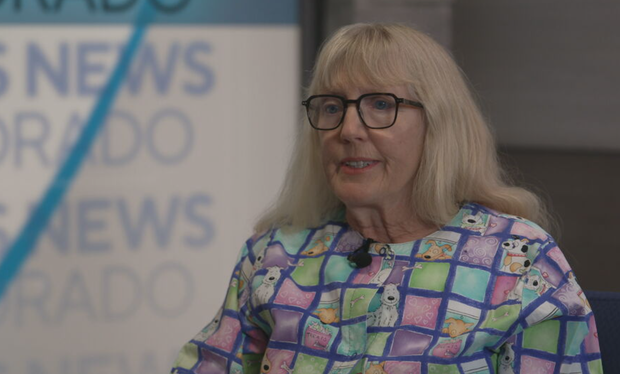
Norton also questions whether the profession taking shape today is what many voters believed they were approving when they passed Proposition 129.
"Voters thought they were getting one thing, and all they got was a title," she said.
Norton also questions whether five semesters of education can adequately prepare graduates for procedures that may eventually be included within the profession's scope.
"Essentially they're trying to condense a 4-year doctorate program into 5 semesters, and I don't think that's possible," Norton said. "I don't think that's going to be an adequate surgical program that I would feel comfortable having performed on my animal by a VPA."
Supporters of Proposition 129 argued the role was never intended to replace veterinarians. Instead, VPAs would help increase the number of trained professionals available to provide care. Lanning said CSU began planning for the curriculum years before voters approved Proposition 129 and remains confident in the university's ability to prepare competent graduates.
"We know education, we know veterinary medicine, so we're kind of the perfect institution to then develop this sort of a program," she said. "Any issues that people have with the quality of the education and the content, I hope is dispelled by reminding people of the history of Colorado State."
The Colorado Board of Veterinary Medicine is scheduled to hold a permanent rulemaking hearing on Oct. 8, where stakeholders will have a final opportunity to testify before board members consider rules related to Veterinary Professional Associates, licensure requirements and examination standards. Learn more at dpo.colorado.gov/Veterinary.


