Reynelda Muse, Colorado's first Black and female TV news anchor, to be inducted into Broadcasters Hall of Fame

Longtime viewers of Denver's Channel 4 will remember the name Reynelda Muse.
In 1969, Muse became the first Black person and the first woman to anchor a television newscast in Colorado. More than five decades later, the former Channel 4 anchor is being recognized for her groundbreaking career with an induction into the Colorado Broadcasters Association Hall of Fame.
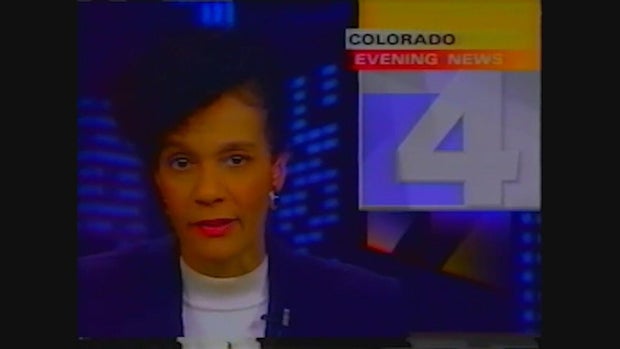
But behind the historic firsts and decades of familiar newscasts is the story of a young Black woman who challenged the expectations of an industry that had never seen anyone quite like her.
Muse was just 21 years old when she arrived at Channel 4 in 1968, fresh out of Ohio State University. She moved from Ohio to a city where she knew few people and stepped into an all-male newsroom.
"I did understand that it was significant at the time, because it was radical," Muse said in a recent interview with former CBS Colorado journalist Gloria Neal. "It took the news director a lot of courage to name a woman as a co-anchor and a woman of color."
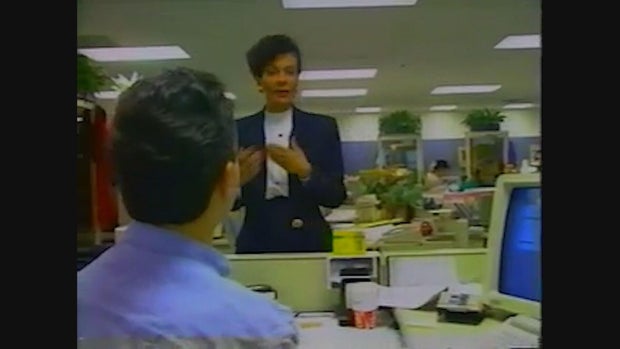
Muse recalled that while one colleague questioned whether she deserved the opportunity, most of the men in the newsroom were supportive.
She remembers being overwhelmed during her first five-minute news break and looking toward the cameramen for reassurance.
"You could see them sending me empathetic looks and also sort of helping me breathe as I was hyperventilating and freaking out," Muse recalled.
Those early experiences helped shape a career that would span more than two decades at Channel 4. During that time, Muse fought to bring perspectives and stories to television that she believed were missing.
"I fought for the right to do stories about the Black community," Muse said in a 1993 archival interview.
But her determination to change what appeared on television went beyond the stories she covered. It extended to how she appeared on screen herself.
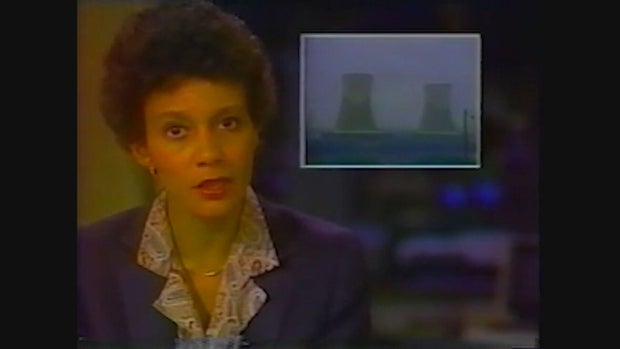
Six months after arriving at the station, Muse began sporting an Afro. At a time when television news had rigid expectations about appearance, the decision drew criticism and became a subject of discussion within the newsroom.
"I felt strongly that I should have the right to express my own ethnic identity and not look like Barbara Walters or any of the other people," Muse said.
She remembers a station employee telling her that her hairstyle was difficult to fit into the camera frame.
"They used to say like, 'Well, the camera can't frame your Afro.' Come on now, pull back. You can get that Afro," Muse recalled with a laugh.
One news director even offered to have his wife style Muse's hair. Muse politely declined.
Despite the controversy, she credits station management with allowing her to express her identity without removing her from the air.
Her career eventually took her beyond Colorado. In 1980, Muse became one of the founding anchors of CNN when the network launched. She later returned to Channel 4, where she continued anchoring until her retirement in 1997.
Her work earned numerous honors, including an Emmy Award for a documentary about Egypt. In 1993, she became the first woman named Broadcaster of the Year by the Colorado Broadcasters Association. She was also inducted into the Colorado Women's Hall of Fame in 1997.
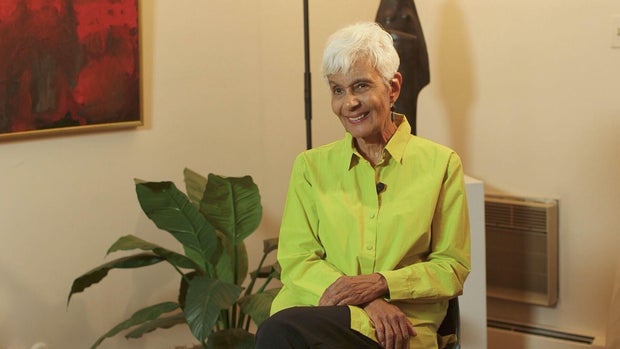
But despite becoming one of Colorado's most recognizable television personalities, Muse says being in the spotlight never came naturally.
"I'm by nature an introvert. I always have been, and that's largely incompatible with a profession that is lived out loud," Muse said.
She described the challenges of working in an industry where journalists are expected not only to deliver the news but also to make speeches, attend public events and become familiar faces in thousands of homes.
"It was very difficult for me," she said. "But I did try, and over time it did get easier."
Even today, Muse admits she is uncomfortable being on the other side of the camera.
Her Hall of Fame induction recognizes a career that helped change the face of Colorado television, but her influence extends beyond the awards and archival newscasts.
It's reflected in the generations of Black journalists who followed her into newsrooms that look different because she once walked into one that didn't.
"I would encourage the younger journalists and those who want to go into the field to honor and respect the time-honored values of the profession: accuracy, accountability, and to resist the urge to center themselves," said Muse.
It's advice from a woman who spent much of her career insisting that journalism should be about the people and communities being covered, rather than the person holding the microphone.
But sometimes, understanding how far the industry has come means remembering the woman who held it first.


