Prop. 132 on Colorado ballot would make possession any amount of fentanyl a felony

Colorado voters will be voting on several ballot measures this year regarding criminal justice reforms, including Proposition 132. It is aimed at addressing the fentanyl crisis.
Last year, opioid overdose deaths nationwide dropped 19%, but in Colorado, they rose 17%. The Colorado Department of Health says there were 980 fentanyl-related deaths in 2025, up from 761 in 2024.
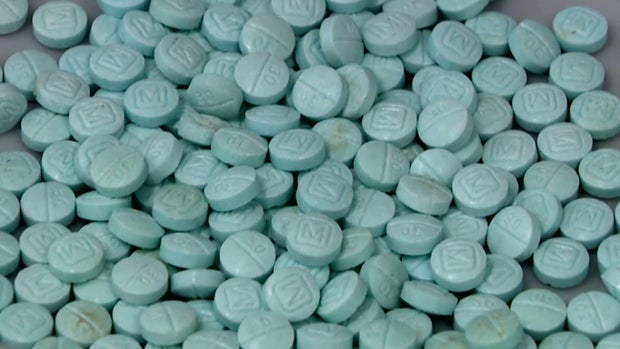
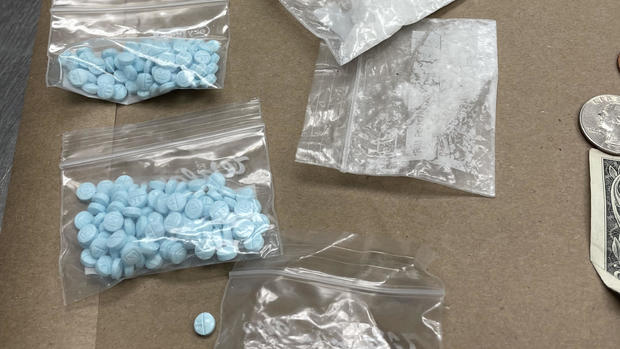
Supporters of Proposition 132 say lenient criminal penalties are among the reasons. In Colorado, only people convicted of selling more than 50 grams - or about 500 fentanyl pills - face mandatory prison time.
Someone convicted of selling 4-50 grams faces the possibility of 4-8 years in prison, and distribution of under 4 grams is a possible 2-4 years in prison.
Charges could increase if the buyer is a minor or someone dies, and could decrease - or be dismissed - for Good Samaritans who call 911 during an overdose.
If Proposition 132 passes, anyone convicted of fentanyl distribution - regardless of the amount or whether they called for help - faces a mandatory 8-32 years in prison.
The ballot measure also increases penalties for those charged with possession.
Right now, possession of 1-4 grams - or about 10-40 pills - is a felony with the possibility of 6 months to a year in prison, unless the person didn't know it was fentanyl.
Possession of less than a gram is a misdemeanor with no prison time.
Under Proposition 132, any possession would be a felony, regardless of whether a person knew it was fentanyl or not.
Possession of 1-4 grams would carry a possible 2-4 year sentence.
Possession of less than a gram could result in six months to a year in prison unless the person agrees to treatment. Then the charge would be lowered to a misdemeanor.
If the measure passes, it's expected to cost the state $10 million in the first 2 years and, by year five, as more people are incarcerated for longer periods of time, $68 million a year.
It could cost even more if the state needs to build a new prison.
Supporters of Proposition 132 say because fentanyl is more lethal than other drugs, the penalties should be more severe, and they insist the benefit of saving lives far outweighs the costs.
They say the measure will help get users treatment and get distributors off the street.
Opponents say it punishes the wrong people. They say it treats someone who gives one pill to a friend - not knowing it's fentanyl -the same as a major drug trafficker.
Users, they say, will be less likely to seek treatment if they could be charged with a felony, and low-level distributors will be less likely to call for help if they face mandatory prison time.
While it may incentivize treatment for low-level users, they note, it doesn't provide funding for it and instead costs the state millions of dollars for more prison beds.
They insist it will also cost lives, saying many inmates aren't treated in prison, return to drugs when they leave, and overdose because their tolerance is lower.
The measure does not apply to juveniles who are tried in juvenile court, where the charges and penalties are different.
The City of Boulder and Gilpin, La Plata, San Miguel, and Boulder counties are recommending their residents vote "no."


