Cleanup continues in Colorado after train derails into Gunnison River, spills over 8,000 gallons of fuel
Two weeks after a rockslide in Colorado derailed a train into the Gunnison River, spilling thousands of gallons of fuel into the water, the Environmental Protection Agency said the initial cleanup operation is coming to a close.

On Dec. 2, a rockslide south of Whitewater caused the two locomotives and three coal cars to derail, trapping two engineers inside. The train ended up partially in the water, releasing diesel and lubricating oil into the river and spilling coal on the banks. Union Pacific quickly made their way to the area along with first responders to rescue the engineers and begin containment measures.
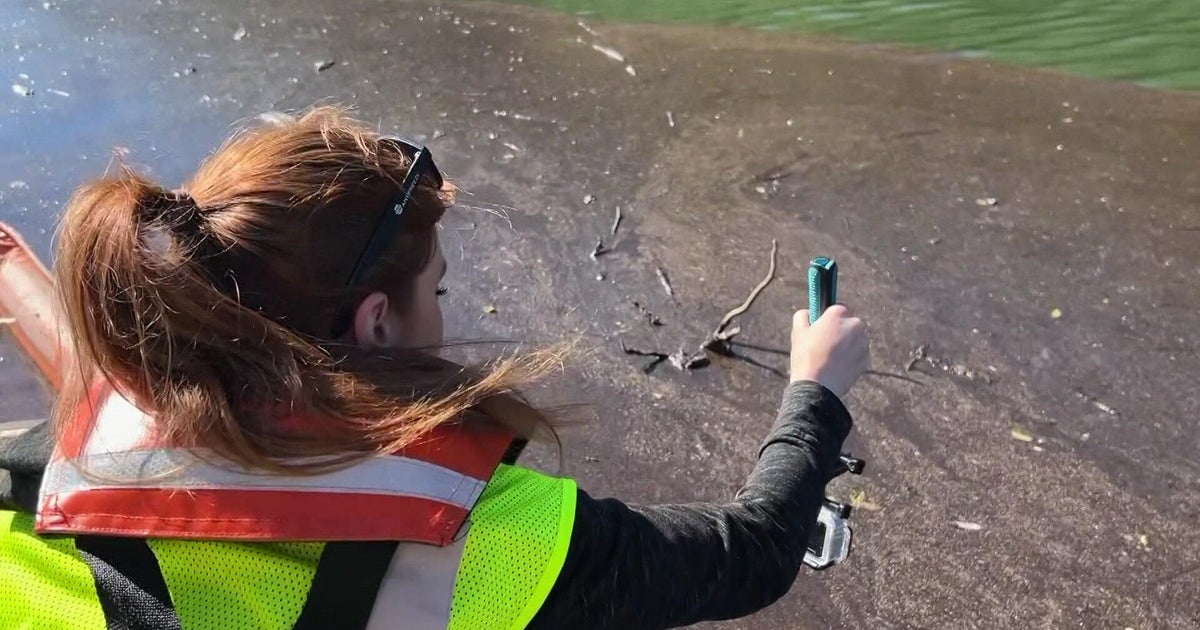
The Environmental Protection Agency responded the following day, taking on efforts to oversee the company's cleanup operation and coordinate with the US Bureau of Land Management, US Fish and Wildlife Service, and CO Parks and Wildlife. They said that cleanup crews placed absorbent booms at the derailment site, 150 yards downstream, at the Highway 141 Bridge in Whitewater, and at the Redlands Dam Boat Launch in Grand Junction.

Authorities said approximately 500 gallons of fuel were removed from the fuel tanks, and that approximately 8,620 gallons were released into the river and along the shore. Since that point, the EPA says cleanup crews have recovered 1,000 gallons of oil and oil-water mixture.
The locomotives were removed from the water on Dec. 5, and Union Pacific crews have continued working to soak up and remove oil from the water, as well as conduct low-pressure surface washing along the shoreline to collect and remove oil from the area. The EPA says flushing operations were completed on Wednesday, and they've approved the removal of the remaining equipment.
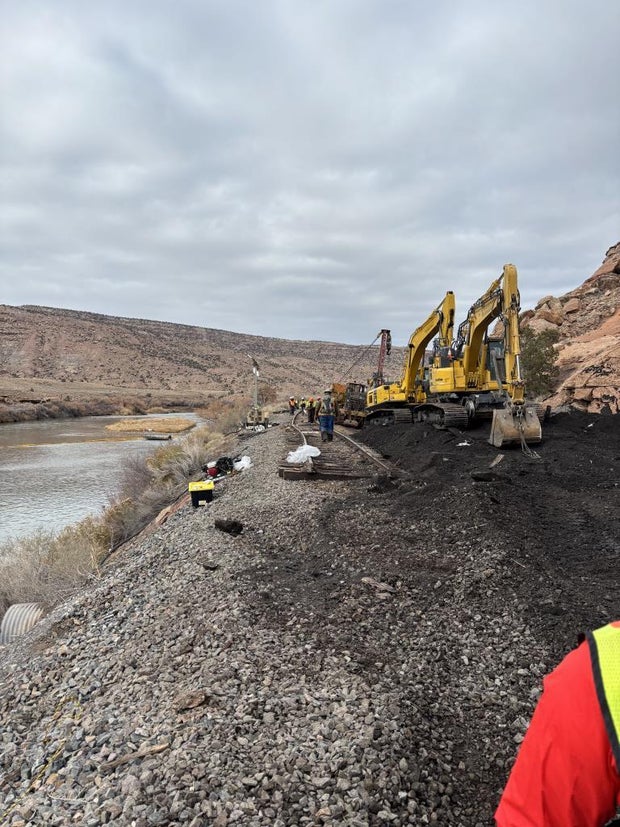
They added that additional oil recovery and a more methodical assessment of impacts to the shoreline are underway, and additional cleanup measures will be determined based on that information.
"While EPA's further involvement in overseeing Union Pacific's response is nearing an end, the US Bureau of Land Management, US Fish and Wildlife Service, Colorado Parks and Wildlife, and Colorado Department of Human Health and Environment continue to work with and oversee Union Pacific in assessing remaining/longer-term damages to the river system," said EPA On-Scene Coordinator Craig Myers.