'Flammable Nights' More Common Due To Climate Change, According To CU Study
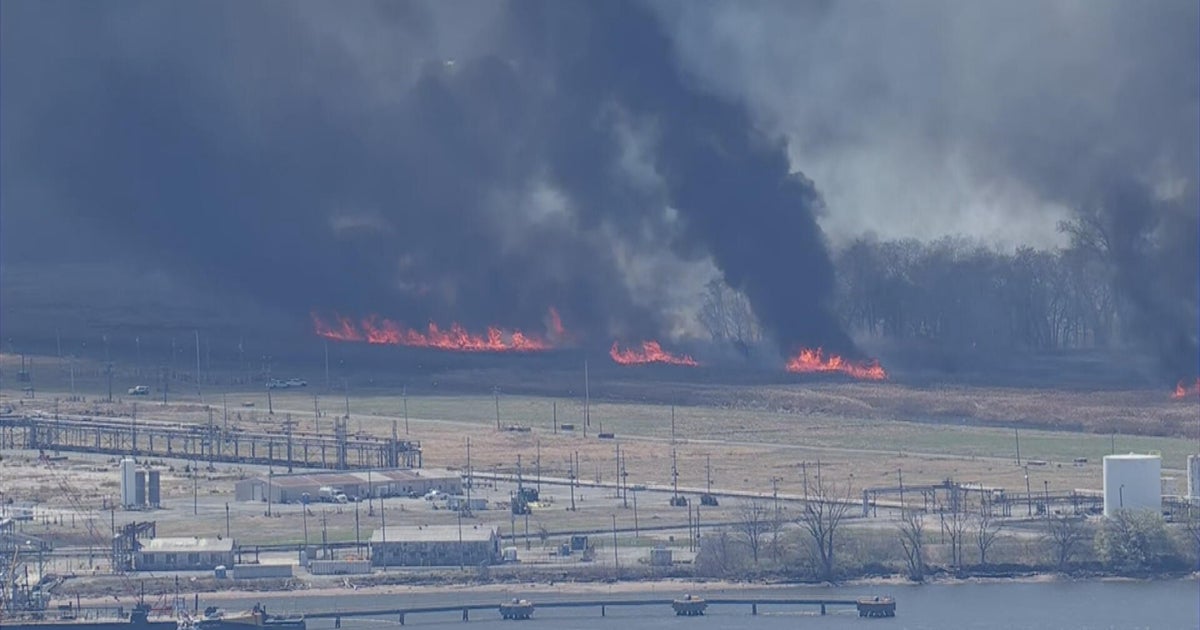
BOULDER, Colo. (CBS4)- In recent decades, nighttime fires have become more intense as hot, dry nights are more commonplace. According to a new study led by the Cooperative Institute for Research in Environmental Sciences' (CIRES) Earth Lab at the University of Colorado Boulder, cool and moist nights regularly provided relief to firefighters 40 years ago, but now flammable nights are becoming more frequent.
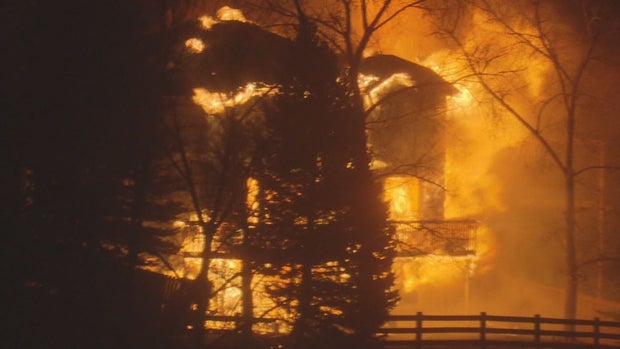
There are 11 more flammable nights every year in the U.S. West compared to 1979, which is a 45% spike.
"Night is the critical time for slowing a speeding fire—and wildfire's night brakes are failing," said Jennifer Balch, CIRES Fellow, Director of CIRES' Earth Lab and lead author on the study out today in Nature.
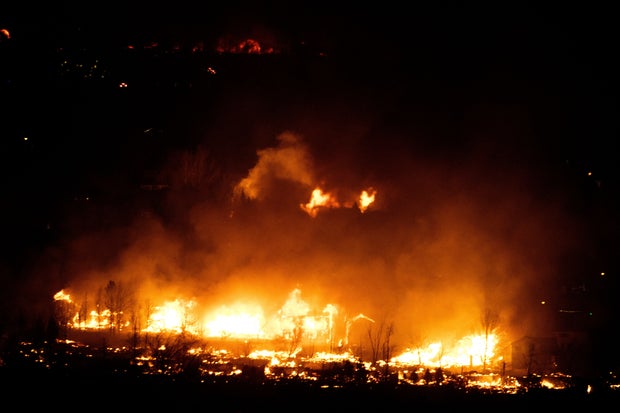
Nighttime warming is only expected to increase with climate change, according to the study, intensifying wildfires' size and speed, causing more fire crews to work around the clock.
"People tend to pay more attention to conditions during the daytime, when fires are most active. But there's not enough attention put on nighttime, when cooler conditions tend to slow fires down or even extinguish them completely," said Adam Mahood, postdoctoral researcher at Earth Lab and co-author on the paper.