Drought, tiny bark beetles taking toll on Denver's spruce trees, resident says "I wish I could have saved them"

A tiny native beetle is killing spruce trees across Denver, taking advantage of trees weakened by drought and high temperatures.
"This is a death sentence," said one forestry expert about what happens when the beetles attack trees in Denver.
The damage is visible in parks, apartment complexes and residential yards, where large, established trees are being cut down after becoming infested with Ips beetles.
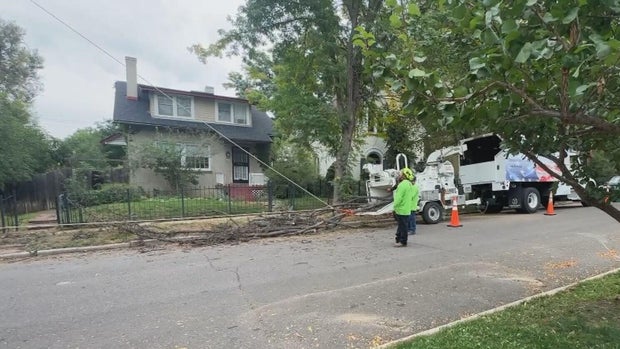
At Lindsley Park in east Denver, the city recently removed 19 large spruce trees that had been attacked by the beetles. City figures show Denver has removed 77 spruce trees so far this year, more than in any of the previous three years. City foresters say many of the trees were already declining, but the IPS beetle is seen as a factor in many of the tree losses.
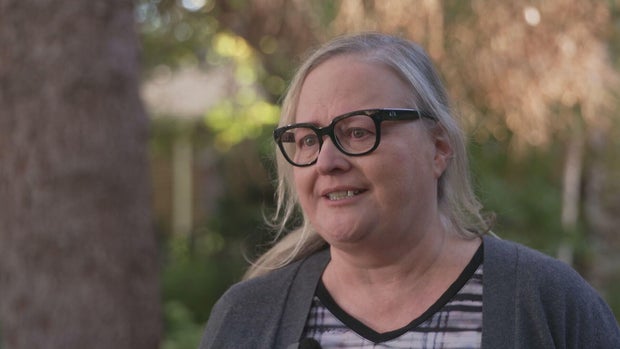
For Liz Brummette, the loss is deeply personal.
Brummette is preparing to have two 50-year-old trees removed from her front yard after Ips beetles killed them. Her grandmother planted the trees in the 1970s, and Brummette says they have long been a meaningful connection for her family.
"I just wish I could have saved them, and it really does break my heart," she said. "They remind me of my grandmother."
Brummette said she did not realize how serious the problem was until it was too late to save the trees.
The beetles responsible for the damage are barely the size of a grain of rice, but their impact can be substantial. They tunnel beneath the bark of spruce and pine trees, creating galleries that damage the living tissues responsible for moving water and nutrients.
Drought is a major factor. Trees with insufficient water can become less able to defend themselves against beetle attacks. Root damage, construction-related injuries and other stresses can also leave trees vulnerable.
The damage is not limited to Lindsley Park. At one east Denver apartment complex, another six trees were cut down after beetle infestations killed them. At a home in Congress Park, an 85-foot-tall spruce was removed last month after Ips beetles tore through it.
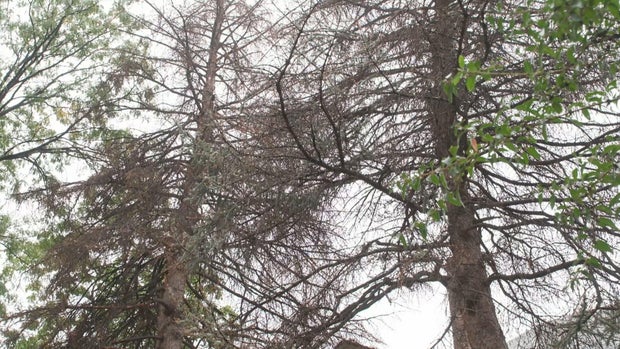
For homeowners, the challenge is recognizing the problem early enough to respond. Browning needles, particularly near the top of a spruce, can signal trouble, but those symptoms may appear after the tree has already sustained significant damage.
Denver's forestry team suggests the following:
-Residents should watch for browning of needles, which can begin in the upper portion of their trees. Also watch for excessive "needle drop"
-Properly water trees, including winter watering when conditions allow.
-Residents who notice signs of decline should contact a qualified arborist immediately.
-Preventive insecticide treatments may be appropriate for some high-value trees in areas where beetles are active. But timing is critical: treatments must be applied before the beetles infest the tree. Once a tree is already infested, insecticides generally cannot save it.
For Brummette, those steps come too late for the trees her grandmother planted.
"I feel like she always looked down upon us," said Brummette, "and these trees always looked beautiful."
The beetles may be tiny, but the loss they leave behind can be measured in much more than the number of trees cut down.


