Denver parks cuts water use by 26%, exceeding city's conservation goal

Denver Parks and Recreation was asked to reduce its water consumption by 20% this summer amid drought conditions. The department did even better, cutting water use by approximately 26% compared with its previous five-year average, according to figures from Parks and Rec.
The reduction saved an estimated 263 million gallons of water compared to the average of the last five years, a significant achievement for a department that says it is Denver Water's largest single customer.
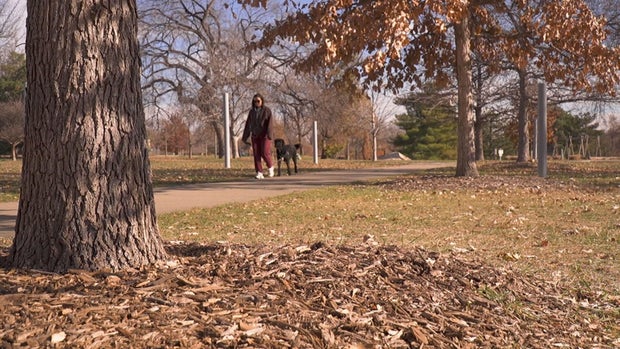
"We use a lot of water," said Demian Wetzel, Denver Parks' water conservation manager, who said he initially wasn't sure the department would be able to meet the 20% target. "Every year on average, Denver Parks uses 2 billion gallons of water a year to water over 3,000 acres of parks."
Falling short could also have been expensive. Wetzel said the department would have faced substantial additional costs in drought surcharges if it did not meet its savings goal, set by Denver Water.
Meeting the conservation goal required some tough choices about where to cut back and where water was most needed. Wetzel said the department prioritized swimming pools, recognizing their importance as places where people could cool off during hot summer days. It also made sure athletic fields received enough water to remain safe and playable.
But other areas of the city's parks got less irrigation.
"Parks across the board looked a little drier than normal," Wetzel said.
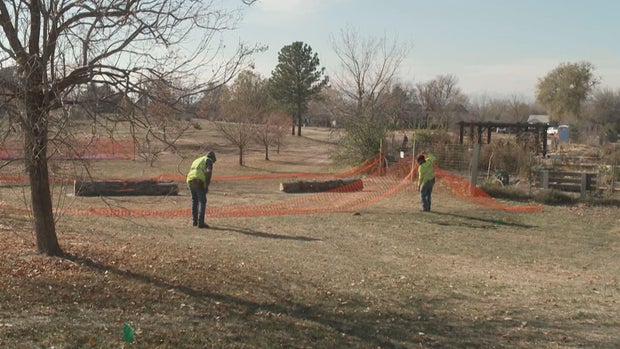
The conservation effort involved a combination of technology and longer-term changes to how city parks are maintained.
At Harvard Gulch, for example, crews are converting 21 acres of traditional bluegrass into native grasses and vegetation that require substantially less water.
"Converting one acre of traditional bluegrass park to a native grass area can save us 435,000 gallons a year," Wetzel said.
The department also reduced irrigation in remote areas of parks, cut watering on city medians by 35% and kept decorative fountains turned off throughout the summer.
Technology played another important role.
Denver Parks uses a centralized irrigation control system that collects watering information from parks throughout the city. Weather stations help officials monitor conditions and adjust irrigation schedules, including shutting down watering when rain is expected.
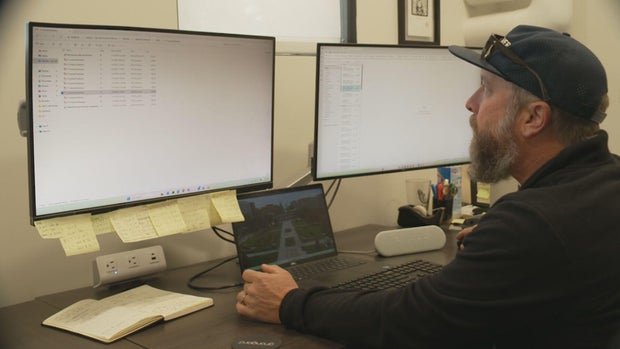
Wetzel demonstrated how the system allows him to control irrigation at parks across Denver with the push of a button. He can even make adjustments remotely using his cellphone, without having to be in his office.
The department has approximately 750,000 sprinkler heads throughout its parks and public spaces. Wetzel said the department appreciates hearing from residents when they notice irrigation systems that aren't working properly.
While some of this summer's savings came from temporary watering reductions, projects like the Harvard Gulch conversion are intended to produce lasting reductions in water consumption.
For a department that initially wasn't sure it could meet the city's 20% conservation target, the final numbers represent a substantial achievement — saving hundreds of millions of gallons of water while avoiding potentially costly drought surcharges.