Denver's Office of the Independent Monitor lacks transparency, Auditor's Office finds
An independent Denver agency is failing to publicly report recommendations on dealing with police misconduct or review of policies in the agencies it's tasked with overseeing, according to a recent report from the Denver Auditor's Office.
Denver's Office of the Independent Monitor is supposed to offer recommendations to the Denver Police Department and the Denver Sheriff Department on issues of citizen complaints, use of force such as police shootings, and in-custody deaths, but for years, its caseload has grown while staffing has not, so the office has been unable to prioritize its workload and effectively publicly report some of its findings, according to Denver Auditor Tim O'Brien.
As a result, the public is unable to see what the office recommends and if or how Denver law enforcement responds to those recommendations. Part of the issue lies with the office reviewing all disciplinary cases among the agencies it oversees, not just the mandatory ones, according to O'Brien.
"Because the public doesn't know what guidance the Monitor's Office is giving to the Police and Sheriff Departments, the public doesn't know whether those departments are responding. There is no visible proof of accountability," O'Brien said in a news release. "The lack of transparency is a disservice to law enforcement oversight."
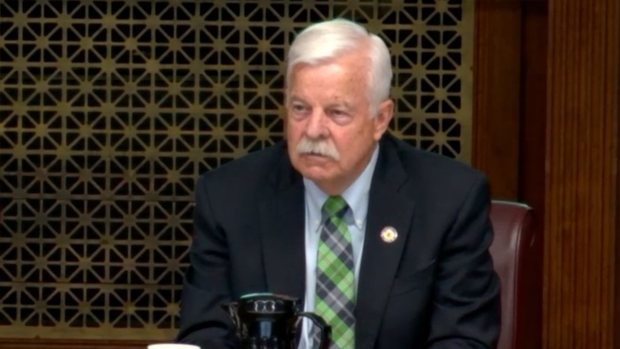
Lisabeth Pérez Castle, head of the Office of the Independent Monitor, said the office's practice of reviewing all cases, not just mandatory ones, is considered a best practice in the civilian oversight community to better allow those agencies to identify trends and priorities that need addressing.
The Auditor's Office issued six recommendations to the Office of the Independent Monitor, and Pérez Castle formally agreed to comply with those recommendations and implement changes periodically throughout the next year, but disagreed with the characterization of her office.
"The Office of the Independent Monitor champions transparency and accountability in oversight and strongly disagrees with any claim to the contrary," Pérez Castle told CBS News Colorado. "The OIM has and continues to comply with its ordinance mandates. To say we are not transparent is misleading, inaccurate and sensational reporting."
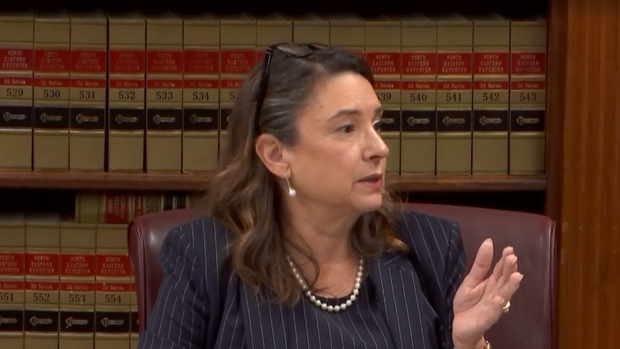
Nonetheless, she agreed with the following findings of the audit, and agreed to implement changes:
- Determine and document whether requirements can be met – The Office of the Independent Monitor should conduct a Workday process evaluation to document and detail the Workday process flow.
- Reevaluate policy – The Office of the Independent Monitor should reevaluate whether its policy of submitting its public reports to the City Attorney's Office for review is required, documenting its considerations, and its conclusions. This may include exercising its chartered right to obtain an opinion from independent legal counsel.
- Publicly report investigation timeliness – The Office of the Independent Monitor should conduct a comprehensive timeliness analysis of the review process and include it in its annual report. This analysis should include a breakdown of time spent on each phase and party involved.
- Update database and track results – The Office of the Independent Monitor should, at a minimum, update its database to include a data field to distinguish between mandatory and discretionary case reviews and track the results in its regular internal reporting.
- Develop a strategic plan – The Office of the Independent Monitor should develop and publish a strategic plan that establishes a mission, vision, and strategic goals for the office, including developing metrics to track progress toward those goals.
- Implement the strategic plan – The Office of the Independent Monitor should implement the strategic plan from Recommendation 4.1 by identifying action plans, assigning roles and responsibilities, identifying timelines, and monitoring progress.
Pérez Castle said some of her office's recommendations to law enforcement agencies can't be publicly disclosed, citing the "deliberate process privilege" under city law. Some recommendations, however, can and already are made public, she said.
O'Brien objected to the invocation of the deliberate process privilege, especially as it relates to his ability to get records from the monitor's office.
"I just find saying 'deliberative process' can exclude us from a lot of information and a lot of departments, I think that's a problem," O'Brien said in the Audit Committee's Sept. 18 meeting.
Audit Manager Jennifer Lim said the process of sending recommendations through the City Attorney's Office, which then invokes that privilege, creates a perception of a conflict of interest, and that the Office of the Independent Monitor should clarify the legal boundaries for reporting and then reevaluate the policy of sending its recommendations through the City Attorney's Office in a way that leads to a lack of transparency or perception thereof.
Most of those recommendations will be implemented by the end of June 2026, Pérez Castle told the Auditor's Office, and the strategic plan will be implemented by the end of September 2026.
The Office of the Independent Monitor has contributed to several major findings and overhaul efforts within Denver law enforcement agencies in the years since it was established in 2004.
It issued a report on Michael Marshall, who died in the Denver Downtown Detention Center in 2015, and the Denver Sheriff Department's handling of the internal investigation afterward, offering recommendations for policy changes at the department.
And in late 2020, it found that the Denver Police Department lacked a plan to handle the social justice protests of that year in response to the police killing of George Floyd in Minnesota.

Some members of the Auditor's Office committee praised the work of Pérez Castle's office, saying its workload and the nature of their work are a heavy lift, as well as praising her willingness to comply with the recommendations.
"I'm old enough to have seen the whole evolution of what you do, and a lot of things that we see, a lot of the stuff is pretty black and white, and what you do is one of the toughest jobs in terms of a balancing act, I think, in city government," audit committee member Jack Blumenthal said in the committee's Sept. 18 meeting. "So I laud you for all that you are doing, and also in light of the budget cuts and the numbers you report, for your whole attitude of how you are going forward with what you are doing."
You can read the full audit here.