Denver judge rules Colorado Department of Corrections violates state constitution in prison labor program
A Denver judge on Friday ruled that the Colorado Department of Corrections has been violating a 2018 amendment to the state constitution by requiring people in state prisons to work under the threat of solitary confinement and other punishments.
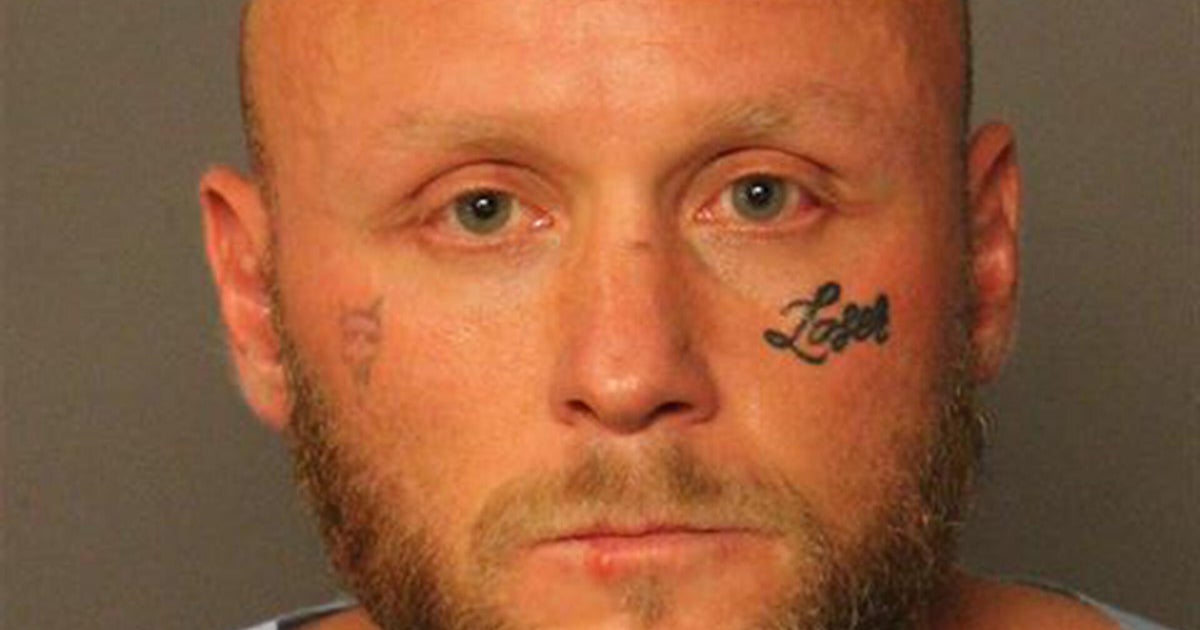
The ruling comes as part of a class action lawsuit filed four years ago by Harold Mortis, who's serving a 40-year sentence at the Sterling Correctional Facility for a 2016 second-degree murder charge, to which he pleaded guilty. The suit was filed on behalf of thousands of people who are incarcerated in Colorado state prisons.
Denver District Court Judge Sarah Wallace ruled that CDOC, its director Moses Stancil, and Colorado Gov. Jared Polis are violating people's rights under Article II, Section 26 of the state constitution, which was amended in 2018 to prohibit slavery or involuntary servitude. Before the amendment, which over 66% of Colorado voters approved, that section of the state constitution prohibited slavery or involuntary servitude, "except as a punishment for crime."
"The Court enters a declaratory judgment that Defendants are in violation of the prohibition against involuntary servitude under Section 26, Article II, of the Colorado Constitution," Wallace wrote in her ruling. She went on to say that Mortis and all other people covered by the class action suit, "have a constitutional right to be free from slavery and involuntary servitude without exception."
The ruling was celebrated by law firms and legal groups who brought the case to court.
"This victory is the result of the courage and resilience of Mr. Mortis and the countless people incarcerated in Colorado prisons who have demanded an end to unconstitutional involuntary servitude," David Maxted, lead trial counsel for the plaintiff class, said on Monday. "The Court's ruling vindicates their struggle and the suffering they have endured. Voters overwhelmingly abolished slavery and involuntary servitude in prisons in 2018. It's time for CDOC and the Governor to respect the law and make abolition a reality."
Juno Turner, class counsel and litigation director of the legal nonprofit Towards Justice, said CDOC was engaged in a "system-wide" practice of violating people's rights.
"For too long, the Polis Administration has ignored the clear intent of Colorado voters in passing Amendment A," said. "The trial made clear that CDOC used a system-wide work requirement backed up by credible threats of severe sanctions, resulting in the widespread violation of incarcerated peoples' constitutional rights. The Court recognized the severity of the violations and ordered the State to change its practices."
The Colorado Department of Corrections didn't respond to a request for comment on Monday, but Colorado Correctional Industries, a division of CDOC, says on its website that it operates 16 businesses in 8 prisons throughout the state, "providing job opportunities for incarcerated adults to learn a trade and work on soft skills to prepare for reentry into the community."
CCI says it "invest(s) in the potential of incarcerated individuals by providing them with work experience, personal and professional skill development and opportunities. Reducing recidivism through positive change within individuals and communities as individuals reintegrate into them."
That work includes a textiles shop, printing services, and metal manufacturing. State prisons also rely on inmate labor for food, laundry, and custodial work, according to court documents in this case.
After the publication of this story, CDOC spokesperson Alondra Gonzalez Garcia said the department is reviewing the judge's ruling to see how it would proceed.
"We respect the judicial process and continue to evaluate the full legal and operational implications of the court's decision to determine next steps. The Department of Corrections agrees that slavery and forced labor are wrong and illegal and do not believe we have engaged in either," she wrote. "CDOC programs are designed to provide essential skills, vocational training, and rehabilitative opportunities that support successful reentry into the community. The Department remains committed to upholding the Colorado Constitution, and believes we have been despite the ruling. We are also committed to ensuring the safety and security of our facilities, staff, and the incarcerated population."
Wallace said in her ruling that CDOC argued that it "merely provides incentives to work, and withholds privileges from individuals who refuse," and argued "there were no disputed material facts to support the claim CDOC subjects incarcerated persons to involuntary servitude."
Wallace heard from 11 witnesses, including inmates, such as Mortis, and prison officials.
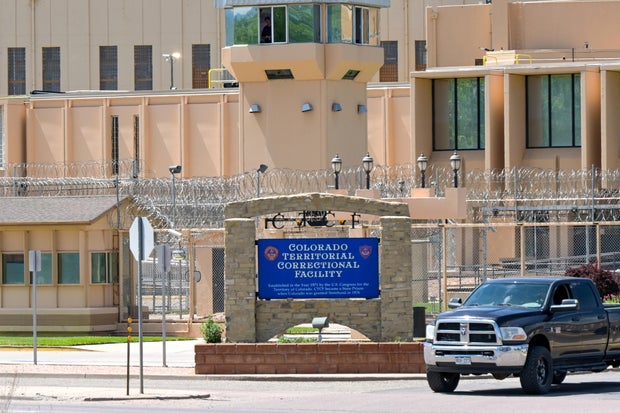
Mortis, who testified that he was often ordered by prison staff to work longer than his mandated shift and confined or threatened with being taken to "the hole," essentially solitary confinement, if he refused. In addition to the Sterling Correctional Facility, he's been incarcerated in Bent County, Fremont, and Buena Vista Correctional Facilities.
The plaintiffs were supported by End Slavery Colorado, a coalition of organizations and community members that led the campaign for Amendment A in 2018.
"Amendment A was not a suggestion. It was a mandate from the people of Colorado to end slavery and involuntary servitude in all forms," said Kym Ray, co-chair of End Slavery Colorado. "The Court's decision makes clear that constitutional rights do not stop at prison gates. We are committed to ensuring full compliance with this ruling and to building a system grounded in dignity, fairness, and respect for human rights."
Wallace ordered CDOC to stop the threat and use of segregation and isolation for failure to work and to stop "double-charging" inmates for a refusal to work. She gave the defendants 28 days to appeal.
After publication of this story, a spokesperson for Polis' office sent CBS News Colorado the following statement:
"Governor Polis strongly agrees that slavery and forced servitude are wrong and illegal. The Department of Corrections does not engage in either and is always interested in how prison reforms can better ensure that this never occurs in Colorado. The Governor's Office is reviewing the judge's order to determine next steps."