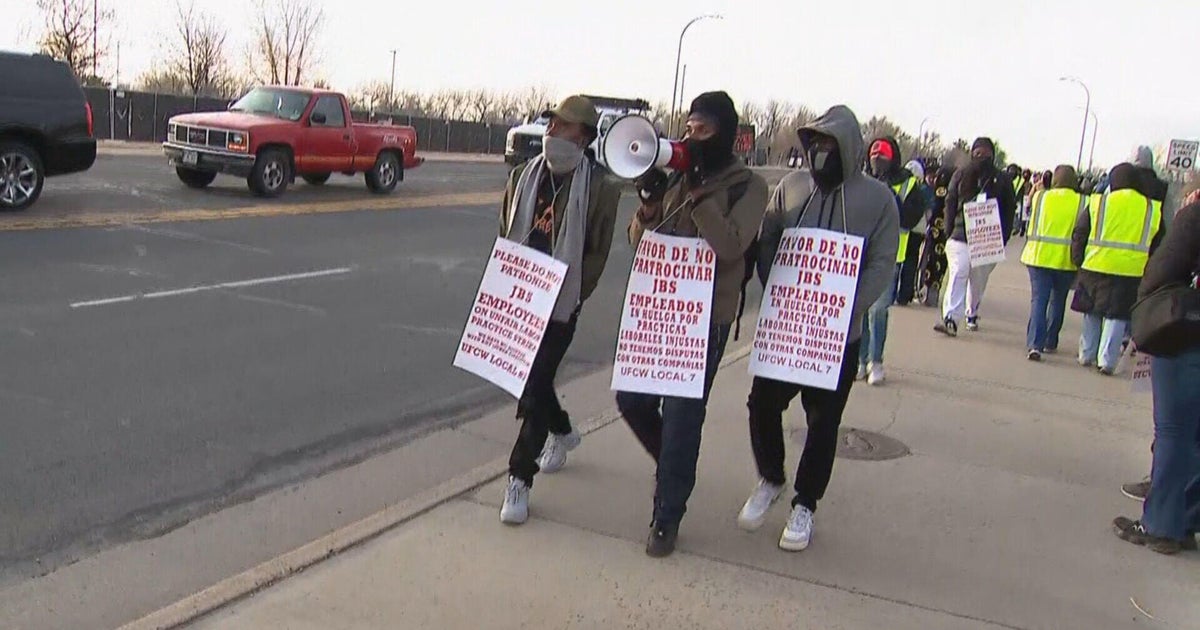
Contentious Colorado labor union bill clears first hurdle at state legislature

Less than a year after Gov. Jared Polis vetoed a bill to overhaul Colorado's law governing unionization, a House committee approved a new bill that's essentially a carbon copy of the old one.
The House Business Affairs and Labor Committee passed the Worker Protection Act, or HB26-1005, on Thursday afternoon on a party-line vote, with Democrats in favor and Republicans opposed.
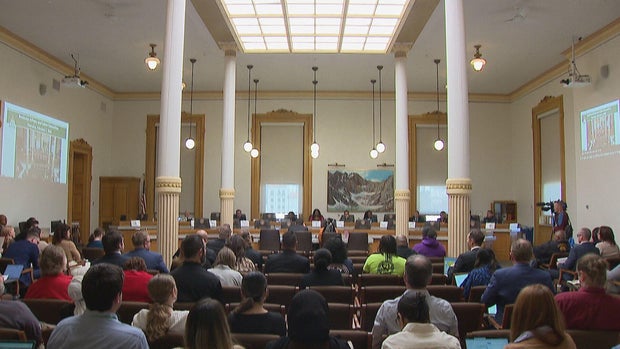
The bill would upend the state's 80-year-old Labor Peace Act, which requires union organizers to hold two elections to form a union. The first vote determines whether employees want to unionize, and it requires a simple majority to pass.
The second vote determines whether non-union workers need to pay dues, and that needs a supermajority, 75%, to pass.
Brennain Degenhardt is among those who testified in favor of the bill that he says is about protecting workers and making it easier to organize in a state with one of the highest costs of living.
"Being a member of a union means you have more protection in the workplace. It means you have better wages and you are more likely to have the opportunities to lead a dignified life in Colorado," said Degenhardt.
Degenhardt was among a group of workers, business owners, union activists, and grassroots organizations who formed "Colorado Worker Rights United" to support the bill.
The Colorado Chamber of Commerce is among those opposing the legislation.
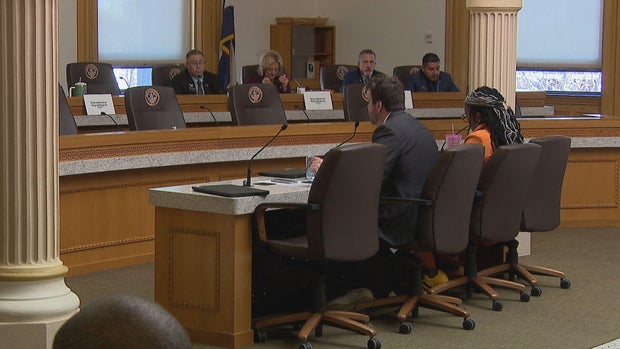
Stacey Campbell with the Chamber suggests the bill is a solution in search of a problem.
"I don't know why advocates would not want all employees to be able to vote on whether or not they want to pay union dues and I think that's important that we give the employees an opportunity to say whether or not a union should be deducting wages from their paycheck," said Campbell.
That bill passed the legislature last year, but Gov. Jared Polis vetoed it, demanding that labor and business come up with a compromise.
Data published by the Colorado Fiscal Institute shows union workers earn 10% more than non-union workers with similar jobs and qualifications and are more likely to receive employer-provided health insurance and retirement benefits.