Colorado State University hurricane researchers forecast incoming storms, possible flood threat to Grand Junction
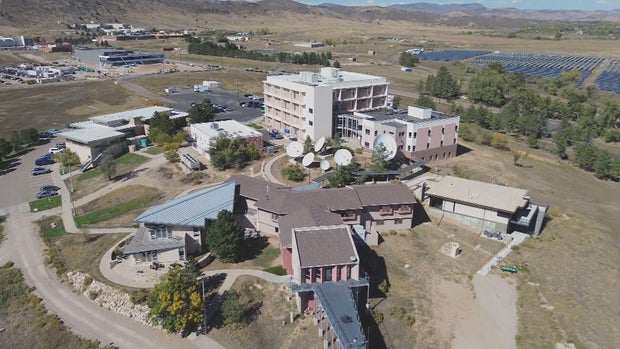
It may come as a surprise, but Colorado State University is home to some of the nation's leading tropical storm researchers, with scientists in Northern Colorado monitoring hurricanes and other storm systems thousands of miles away.
The university's Cooperative Institute for Research in the Atmosphere, known as CIRA, operates from CSU's Foothills Campus on the western edge of Fort Collins. Despite the landlocked location, researchers there track tropical storms across the Atlantic and Pacific oceans.
"I think it catches people by surprise fairly frequently," said Kate Musgrave, a research scientist with CIRA.
One of the storms Musgrave is monitoring is Hurricane Isaias, the first hurricane of the Atlantic season at the time of this report. The storm was expected to make landfall with potentially destructive winds.
"It is expected to be at or close to a major hurricane at landfall," Musgrave said. "So this will be a wind event. There is storm surge associated with Isaias coming in on the Gulf Coast."
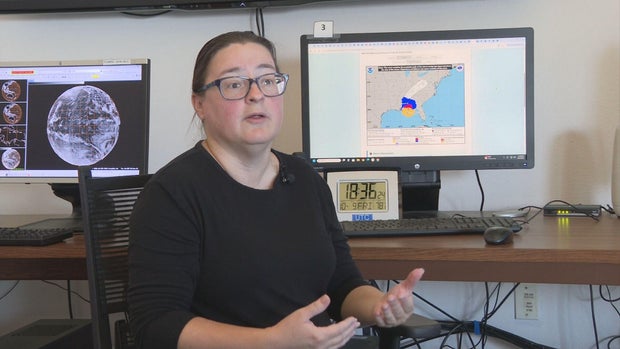
The storm surge threat extended along the Gulf Coast from New Orleans east past Tallahassee, according to the forecast shown by researchers. Isaias also threatened areas farther inland as it moved toward the southeastern United States and to the north.
"With this storm going up into the southeast U.S. and the Appalachian Mountains, there's also the potential there for interactions with topography, for rainfall amounts, and the potential for flash flooding," Musgrave said.
Beyond the Atlantic, Musgrave was also monitoring two Pacific storm systems, Rachel and Simon.
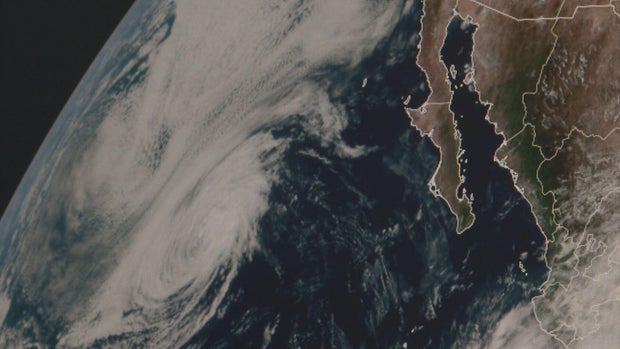
"Both of those systems, Rachel and Simon, could have potential impacts [to the southwest]," Musgrave said.
Simon was expected to strike Mexico, while Rachel posed a potential flooding threat extending inland and as far northeast as Grand Junction, Colo.
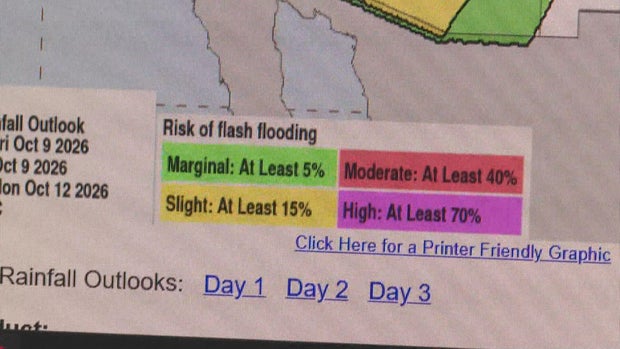
"It might maintain tropical characteristics all the way into Southern California before transitioning into a post-tropical system," Musgrave said.
Musgrave also noted that Isaias stood out because of its name. The letter "I" has fewer available storm names than many other letters, and a history of destructive storms whose names have been retired has further narrowed the options.
For researchers at CSU, tracking tropical systems means looking beyond the immediate coastline threats to understand how storms could affect communities far from where they form.


