Colorado State Patrol demonstrates how to properly hitch your trailer, camper to prevent crashes

Right now, children across Colorado are out of school, so families are celebrating summer vacation. Some families may want to travel up to the mountains while bringing their boat and camper. Colorado State Patrol says you need to remember how to properly hitch that trailer or camper, or risk flipping over your vehicle.
Troopers say remember three things before hitting the road with a trailer or hitch. This includes ensuring that a vehicle is hitched safely, distributing the weight on the trailer or camper properly, and driving responsibly are key in avoiding trailer sway.
Troopers say drivers should have more weight placed before the axle, or closer to the vehicle in front of the trailer's wheels. Front-loading helps evenly distribute the weight between the tow vehicle and the load.
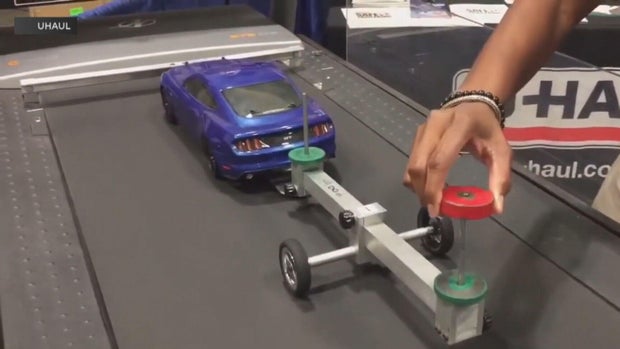
If you are pulling a camper, place heavier items lower to the ground in the camper. That means only light items go in the overhead cabinet to help keep the center of gravity lower.
Also, remember that the bigger the trailer, the more sensitive it is to the wind, and the faster you go, the more you will sway. Be prepared to drive slower and allow folks to pass you when there is an open lane to do so safely.
Troopers say when checking weight distribution, drivers need to ensure the vehicle is hitched correctly, with the hitch on, locked in, and the cables working properly. The driver should also check visibility through their side mirrors to ensure they can see all the way to the rear of the trailer or camper.
"Let's say you are driving a bigger trailer or a bigger camper, and it's windy; high-profile vehicles are more likely to sway," Trooper Sherri Mendez, Colorado State Patrol, said. "When you are in that high-profile vehicle or a larger vehicle, you have to drive slowly."
Troopers say in the event of a crash involving a moving camper or trailer, call 911 right away. Check on the other driver but do not try to flip the camper or trailer back over. This could cause even more injuries.


