Federally imposed temporary solution to Colorado River Compact disagreement grows more likely by the day

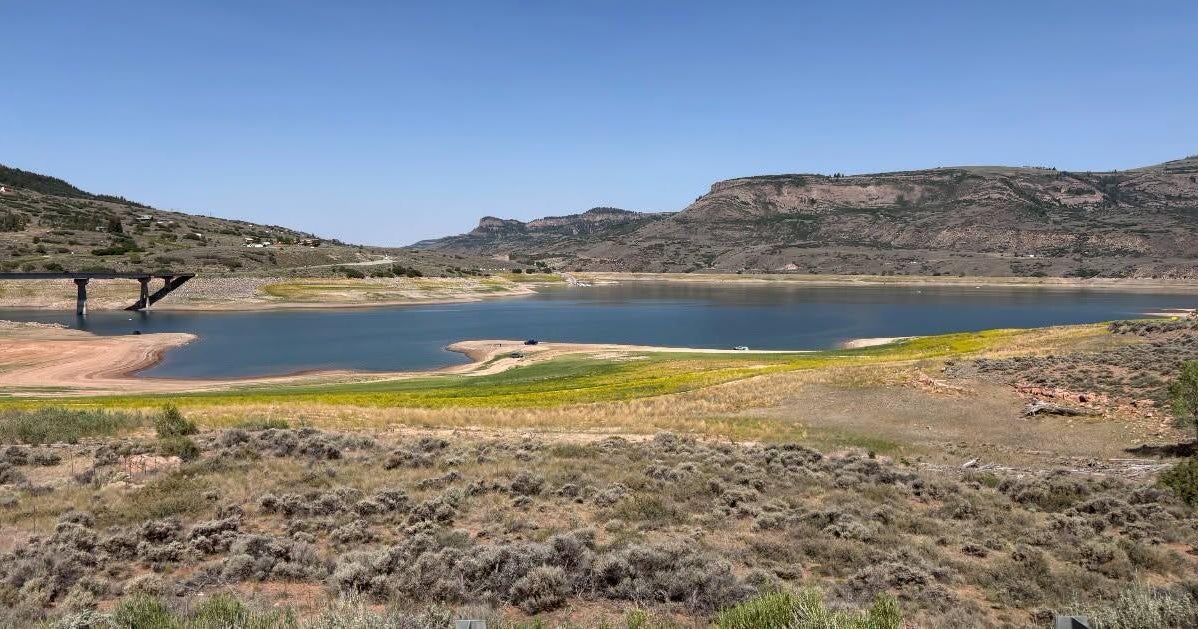
Time is running out for states to come to some kind of consensus for rules under the Colorado River Compact. Twice already, in November of 2025 and February of this year, the seven states involved in re-negotiating water rights and use along with the 100-year old treaty kicked the can down the road and failed to come to an agreement on water sharing. October 1 is the deadline for formalizing operational plans for the upcoming water year. That's the date at which the U.S. Bureau of Reclamation determines the amounts there might be in cuts to water allowed for Lower Basin states. The U.S. Department of the Interior will impose its own guidelines with interim guidelines from nearly 20 years ago expiring. But the department has been indicating it may come out with guidelines sooner.
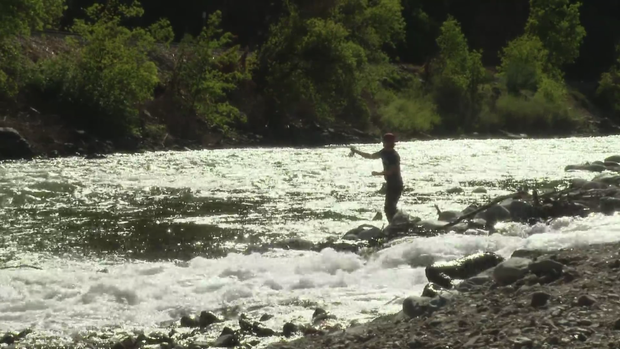
"They're going to issue some kind of management protocol here that will get us probably through next year,"
said Brad Udall, senior water and climate research scientist at the Colorado Water Center at Colorado State University. "We have too many straws in this glass. This river's down a third compared to the 20th century average, and we need to do something about all the demands. It's the only thing we control, is how much water we take out."
Udall believes that in an election year a settlement is less likely.
"In some sense, the states now can make the federal government the boogeyman here, right? I think come 2027, we'll get back to business, and the states will begin negotiating again, and ultimately, we will get an agreement. It will take a while, though."
The compact was negotiated back in the early 1920s. It followed some wet years. Udall however notes there's information that some scientists at the time noted that flows were low back in the late 1890s.
"And the negotiators of the Compact chose to ignore that repeatedly. So there's evidence now that there was a lot of boosterism and a lot of optimism that was not warranted."
In recent years as flows have fallen off and drought has hit hard, it's been clear that the water sharing agreement doled out water that simply isn't there.
"This is uncomfortable for a lot of people, but this is climate change at work here," said Udall. "Scientists like myself have pointed out repeatedly that human emissions of greenhouse gases are behind much of this flow decline, and that flow decline will continue as the planet continues to warm."
Follow-up agreements in 2007 and 2019 are being re-done. Negotiators have met frequently over the past two years. At stake is water for agriculture and human consumption for 40 million people in the West as well as water used in power generation. The original treaty was negotiated by the upper basin states of Colorado, Wyoming, Utah and New Mexico as well as the three Lower Basin states of Arizona, Nevada and California. But the water also serves about 30 Native American tribes and there's a separate water sharing agreement with Mexico as well.
The Colorado River Compact set up the concept of "first in time makes first in right." But population growth has changed a lot of that. That means older water rights take precedence.
"In Arizona, for example, you probably have 250 farmers there who control massive amounts of water, and ultimately, at the end of the day, those 250 people can't dictate the water for 5 million people in Phoenix. It just can't happen, and yet that's what Western Water Law points us at right now," explained Udall.
The Upper Basin states are still using only about 60% of what they are allotted, so have taken the position that they should not surrender water for a problem they did not cause. But there may be movement.
"I've heard a little bit of a shift recently, where they seem to be a little more willing to help solve this problem in some small way," said Udall.
Agriculture is sure to feel effects. While many urban areas have grown over recent decades, water use restrictions have meant less water use. About 70% of the water use from the Colorado goes to agriculture.
"In recent years, we paid farmers not to irrigate, and I would tell you, I think that's where we're headed here," explained Udall.