Colorado Parks and Wildlife suspends wolf depredation policy due to concerns over population
Colorado Parks and Wildlife says the state's grey wolf population may not grow this biological year, and it is suspending its directive on how to handle chronic depredation.
They said they will evaluate requests to lethally remove wolves more conservatively because of population concerns. Under the Colorado Wolf Restoration and Management Plan, CPW says it is taking an adaptive, context-specific approach to wolf management.
"Up to this point, CPW has carefully followed the adaptive management framework called for in the wolf plan, our chronic depredation directive, and has conducted the appropriate consultations in every action we have taken this season," said CPW Director Laura Clellan. "Each decision to lethally remove a wolf is painstakingly evaluated and considered, and this option has only been pursued when all other viable options have been exhausted."
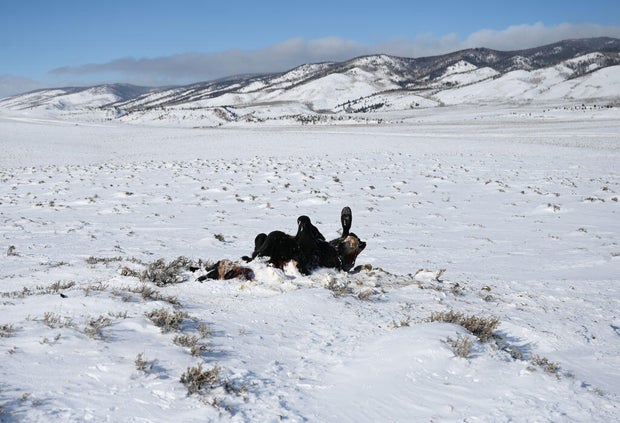
The agency says it has lethally removed five wolves since April 1 and is investigating the death of another. But other concerns also factored into CPW's decision.
The state has four reproducing wolf packs, and CPW staff have detected 45 gray wolves as of Sept. 24, 2026. Pup survival is high, around 82%, but adult survival over the last year was 61%, below the typical 75% rate.
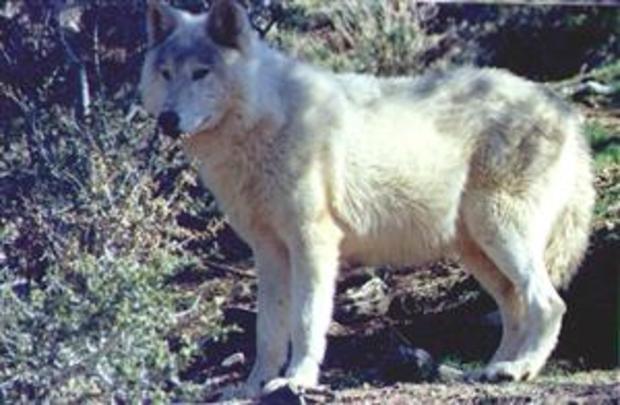
Biologists and veterinarians are also investigating hair loss in two Northwest Colorado wolf packs that could be caused by an infectious skin parasite, although no final diagnosis has been confirmed. That condition could affect population rates.
"Our current genetic analysis demonstrates that the wolf population has high diversity, indicating that inbreeding is not a hurdle to wolf recovery," Clellan said. "While this is promising news for the program, achieving a successful reintroduction effort and a self-sustaining population of wolves will require doing everything we can to ensure the survival of existing wolves in the state."
CPW said it will work with stakeholders while revising its chronic depredation directive, and the new revisions will be in place by April of next year.
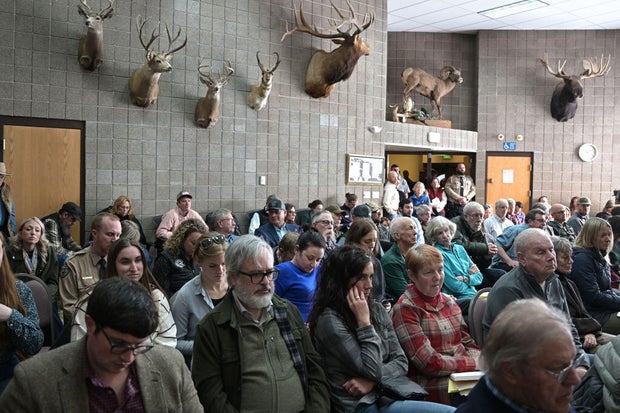
They say that right now is a critical time for wolf restoration in the state. As they adapt, CPW also said it will extend the range riding season in certain areas and continue working with livestock producers on tools and assistance for dealing with wolves.
The Colorado Wolf Restoration Management Plan calls for 30-50 translocated wolves over a 3-5 year period. CPW said it is still exploring options for future translocations to establish a self-sustaining wolf population. If translocations resume, it's unclear where those wolves might come from.


