New Colorado law expands access to plug-in solar panels: "A power source that we can all use"

A new law in Colorado expands access to solar panels by legalizing small, portable plug-in units. These devices could produce up to nearly 2,000 watts of energy, but the products are not yet widely available.
"We got free sun out here, we might as well use it," said Ted Hoefer.
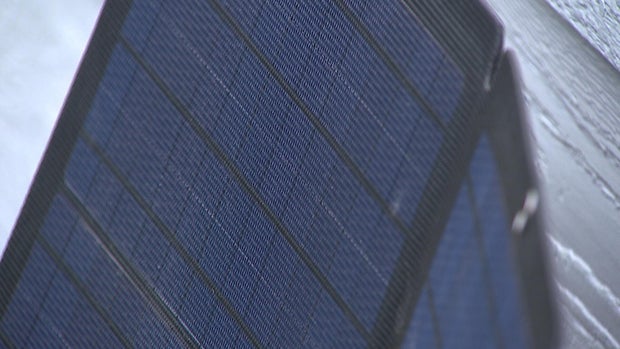
Hoefer is already planning for a new addition to his deck: a plug-in solar panel, recently greenlit by a new law in Colorado.
"I can't really do rooftop solar right now because of the price and stuff. Who knows, I may in the future, but any little bit I can generate would be nice," Hoefer said.
"Hopefully this is going to be the trick to help a lot of people experience solar power," said Mike Lotte. "It brings solar power into the possibility for lower-income, middle-income people and renters who were never able to do it before."
Lotte lobbied for the bill as part of Third Act Colorado, an environmental organization for those 60 and up.
"I wanted to give something back, and this was the way to do it," Lotte said. "We went to lobby at the Capitol, which, being kind of new to this, lobbying I never knew actually meant you stand in the lobby and wait to speak to a legislator, right? So, on Climate Lobby Day, we went and lobbied, so we got a lot of support just organically like that."
When plugged in and placed somewhere sunny, the devices immediately provide energy to a home, reducing the amount of electricity the unit draws from a utility. They can be propped up outside or hung from balconies.
"It's a very simple technology. It was originated in Germany," Lotte said.
"It'll just feed into your power system, so whatever's drawing power is what it will use," Hoefer said.
The bill greenlights devices producing up to 1,920 watts.
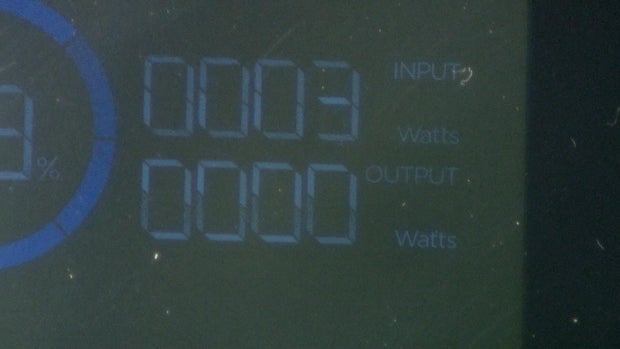
The technology is widespread in Germany, but new to Colorado. Now, you don't have to be a homeowner with tens of thousands to spend on an install to reap the benefits of solar energy in Colorado.
"You can take it with you, so if you're a renter, you can put it out on your balcony, and then when you move, you take it and bring it to your next apartment, or your next home, or wherever you're going," Lotte said.
Lotte says these panels cost as little as $500, and he's hopeful that costs will drop as the units become more widespread.
"It'll be a competitive marketplace, you'll go get a solar panel at Home Depot while you're picking up some lumber, or whatever, or you'll get it at King Soopers," Lotte said.
Hoefer says when paired with a battery, the devices could provide temporary backup power during an outage.
"I will probably use a battery backup when I get it, because you know our grids, it seems like they function really well, but they're also a little fragile, and in these times of crazy storms, who knows what's going to happen," Hoefer said.
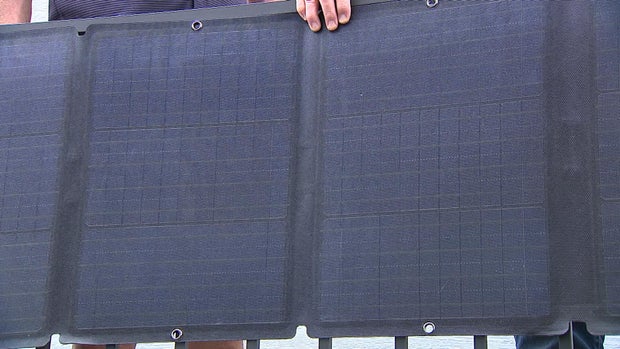
"We're assuming that most people will get a battery as well, so that they can build up power when it's sunny, so that they can use it maybe at night, or if there's a power outage, they can use the battery power," Lotte said. "Give you a little bit of peace of mind and comfort for a while, till hopefully the power comes back on."
The bill also makes it illegal to prevent the installation, use or operation of a portable solar device. It requires utilities to create clear, timely processes for approving and installing meter collar adapters, devices used to integrate solar panels and batteries into electrical panels.
But people like Hoefer will have to wait a little longer for the units to be widely available.
Manufacturers are still working to get many of the larger systems certified under new electrical safety standards. Hoefer hopes the units will be on the market later this year.
"It's a power source that we can all use, and gives us a little bit of freedom," Hoefer said. "Every little bit helps. As individuals, we can't solve this climate problem on our own, which I think is really serious, but we can just take little steps and it'll help ourselves and it'll help our community."


