Colorado first responders get new tech. Why this department hopes it will save lives.

The North Metro Fire Department began using new technology this week to help monitor patients they're treating on emergency calls. The new heart monitor, a Zoll Zenix, can give real-time feedback on CPR procedures, evaluate treatment options, and communicate how accurate the reading is.
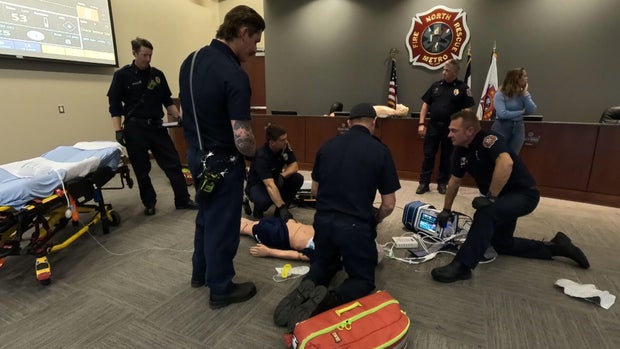
North Metro EMS Chief Randy Delaney helped advocate for these machines as he estimated about 80% of their calls include EMA response, with most of those requiring a heart monitor.
"The machine is giving them that immediate feedback, letting them know they need to do better compressions, or they need to do better ventilations for this patient," Delaney said.
North Metro is the first department in Colorado to use the device. Delaney says the department spent $850,000 from their budget to nearly fill their fleet.
"The ability for us to increase somebody's chance of survivability happens in the field," he added, "All these things are going to combine to be able to improve... the neurologic outcome of these patients that suffer cardiac arrest."
In its first week, North Metro reports the device has been used in the field five times and helped at least four patients on their way to the hospital. And Delaney says the monitor's tech aids first responders beyond CPR needs.
"It's also helping us with traumatic brain injuries. It also has features for us to be able to monitor when our firefighters have been exposed to any type of toxic fumes when they're on structure fires or things of that nature," Delaney said.
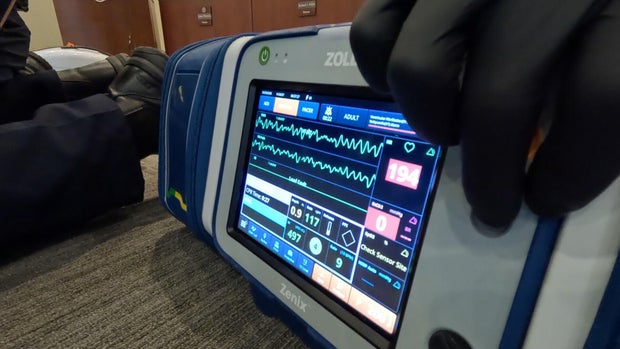
The tech can also determine if measurements are being taken accurately from the correct spots and give first responders a more complete picture of the heart. Delaney believes these data points, alongside the monitor's auditory commands, can bring more control to a scene.
"It is going to be dramatically different from what you see on TV," he said, "One of the things that we'll see in the in our demonstration here is actually how quiet our crews are when they run a cardiac arrest... If they need to correct what they're doing... the machine is telling them that
North Metro says other departments in Colorado have already shown interest. The North Metro team now aims to bring these monitors to every RMA call and hopes it will help save lives.
"It is going to be able to bring more information in real time for our paramedics and basics to be able to actually improve patient outcomes, because at the end of the day, that's the whole reason why we're here," Delaney said.


