Colorado experts discuss what to look for and what to do to prevent school shootings
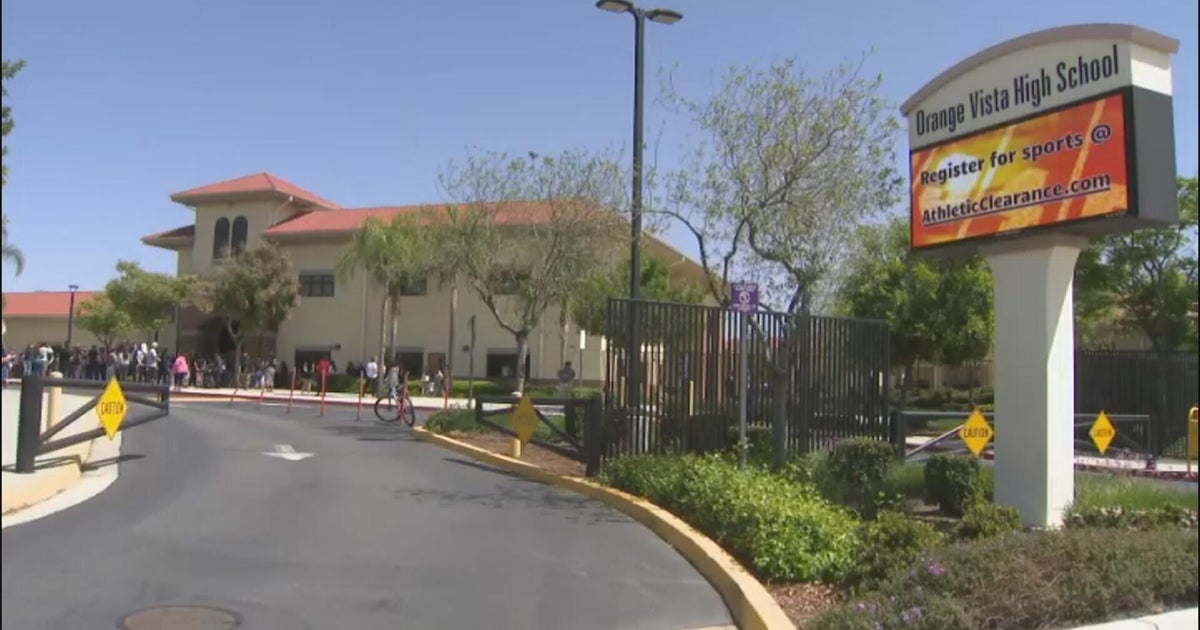
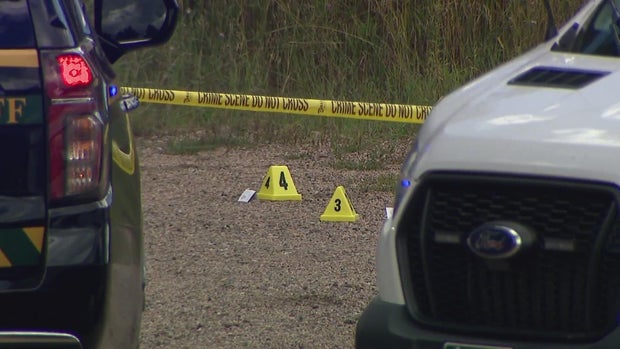
Two weeks after the shooting at Evergreen High School, students are heading back to classes. It comes as parents and students continue to wonder about the possibility that there may have been ways to stop the shooter who injured two fellow students before taking his own life.
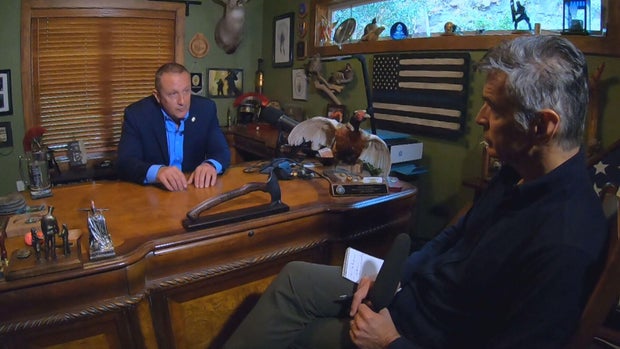
"You don't ever want to be that individual that an active shooting happens... and you find out who it is, and you go, 'I knew that was going to happen. I knew it, right?' You gotta' live with that," said AJ DeAndrea, a former deputy police chief with the Arvada Police Department who now runs a safety consulting and training company and has reviewed such shootings to assess threats.
His message is for parents, students, and community members who may have fears that someone may be planning a mass shooting.
"The key is being able to identify that this individual has made that turn. Has not been their normal self and acting on it."
"They all seem to go through the same stages," said Dr. John Nicoletti, a psychologist who treats first responders and a threat assessment expert. School and other intended mass shooters often feel they have been victimized, says Nicoletti.
"They all tend to start with what we call a perceived injustice. I've been bullied or this and that. And that injustice begins to take legs. And then they move from there to feel victimized, and then they start becoming obsessed." Obsessed with getting back at those whom they feel perpetrated the perceived injustice on them.
They become withdrawn, and there are changes in their behavior. Parents are an early warning system, if they pay enough attention to their children, says Nicoletti.
"They're getting concerned that they're staying on the internet, isolating and hanging out with different people, that should be a signal for the parents." Having an interest in radical or violent online content, games, or similar material should be a red flag that parents cannot excuse.
"During that phase when they're radicalizing, that's when parents just kind of ignore it, or you'll see them say, 'Oh, let's just keep an eye on them.' See, that's the phase where we can disrupt the behavior."
Early intervention is best, but any intervention helps. Nicoletti says an explanation that a child was just joking is one that cannot be accepted. They have to be told the behavior is not acceptable, and the young people have to be held accountable. But that is at times, not easy.
"Unfortunately, a lot of times the parents are hesitant to confront their kids because they want to be their friends."
Taking action is a gesture of caring.
"Just caring about one another to say, 'Hey, this person seems to be in distress.' Whatever that distress is, and then finding the avenue to find out what's going on," said DeAndrea about acting on the actions of young people.
A high percentage of mass shooters make threats, says Nicoletti. It often shows up in online activity. Radicalization often comes along with a sense of belonging to a particular group.
"You know you feel like nobody cares about you, and all of a sudden you find this place where people care about you and there's things going on," said Nicoletti about the attraction.
"They're looking for a sense of identity that they don't have one themselves to stand alone, so they gravitate towards things that maybe just are on the fringe of what they agree with. But then, when they start to hear that, hear it over and over again in an echo chamber, then that builds," said DeAndrea.
At some point, the radicalization becomes mobilization. What triggers young people to go from one stage to the next is not consistent. But in going to mobilization, there is preparation. There are sometimes practicing and other actions that can desensitize the young person. On TikTok, the 16-year-old blamed for the shooting at Evergreen High School was encouraged by others to act. "You got close to a full setup now, man, time to make a move," wrote one person. The shooter liked it.
Alerting someone to potential trouble, either by a parent or other students who use programs like Safe2Tell, may seem invasive to some. But it is not.
"I'm not talking about violating someone's civil rights, I'm not talking about violating the 1st Amendment. I'm not talking about violating the 2nd Amendment. I'm talking about identifying things and then coming up with the appropriate boundaries, countermeasures to keep this person in check," said DeAndrea.
That may mean rules at school, like when to show up, that they have to have a bag checked, or are not allowed to carry a backpack, may have to attend required counseling, and other measures.
What matters, say the experts, is taking threats or ideation seriously. The sooner, the better.
"Getting involved right then is probably the most powerful action to stop anything from happening," said DeAndrea.