Colorado helps lead national study on multi-cancer blood tests

Colorado is helping lead a groundbreaking effort that could one day transform how cancers are detected. The University of Colorado Cancer Center at CU Anschutz has been selected by the National Cancer Institute as one of just eight hubs nationwide to evaluate new multi‑cancer detection blood tests, part of a national pilot called the Vanguard Study. It's designed to explore whether the benefits of such tests outweigh the harms and whether they can catch cancer earlier than traditional screenings.
The study aims to understand if multi-cancer detection tests can reliably identify signals in the blood that point to different cancers, including several with no current screening options.
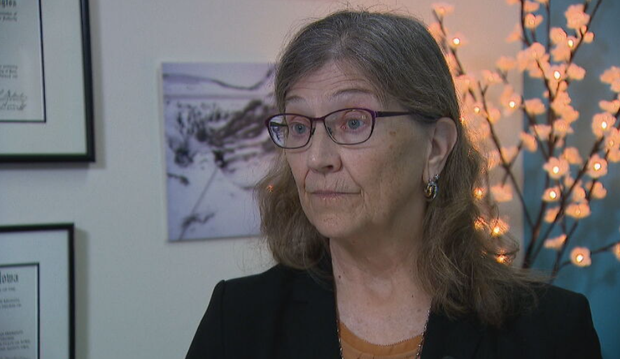
"It's like one-stop shopping," said Dr. Linda Cook, associate director for population sciences at the CU Cancer Center. "And the exciting part of this is that perhaps these can detect cancers that we don't have screening for, right? So, pancreatic cancer, ovarian cancer, and stomach cancer; we don't have screenings for those cancers. Wouldn't it be great if we could detect those along with the ones that we can already screen for?"
The Vanguard Study is the first trial launched through the newly formed Cancer Screening Research Network, funded by the National Cancer Institute. It will enroll up to 24,000 people across the country to help inform a future randomized trial that could include more than 200,000 participants and determine whether using these tests reduces cancer deaths. Cook said the technology represents uncharted territory in cancer research.
"This is the wild west with these multi-cancer detection tests," she said. "It's more of a feasibility test right now, but we'll get some really good information."
At the center of that information are the participants. Researchers are actively recruiting people and are especially focused on reaching those outside major cities.
"[We're] really focusing on including our rural populations… because lots of times these studies only take place in the urban areas," Cook said.
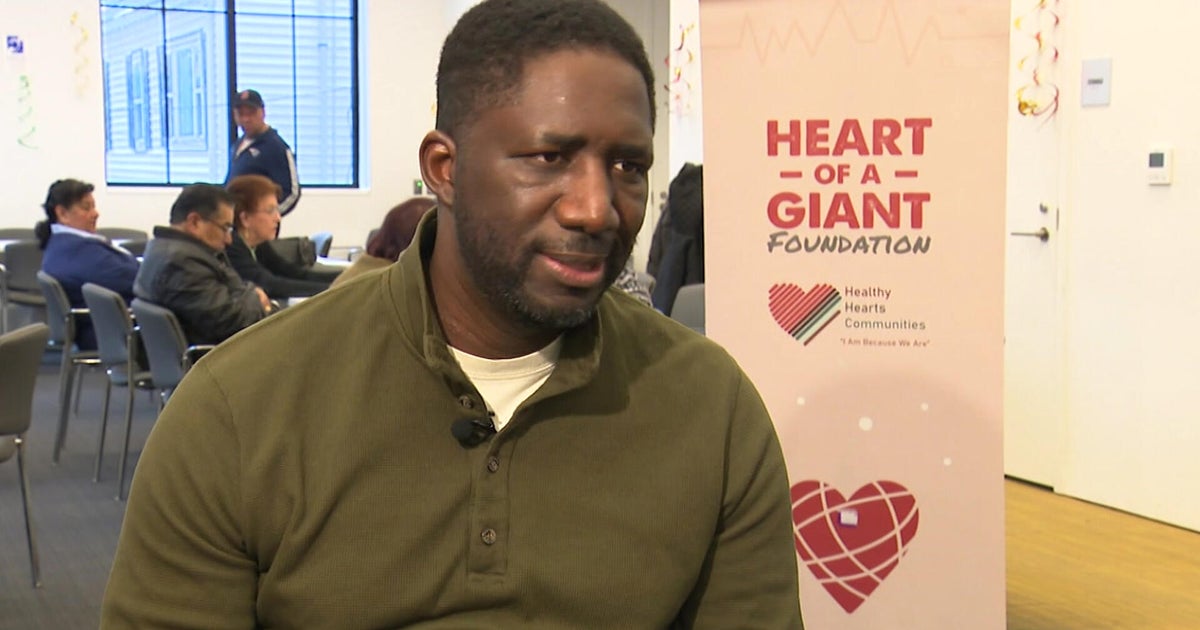
One of those participants is Fort Collins resident Will Flowers, who enrolled because cancer has affected his family.
"If I could do something to help other families, or help our families someday, be able to identify signs or markers for cancer, then it's an obvious yes," he said.
Flowers described the enrollment and overall process as rather simple.
"It was pretty straightforward. It was just a lot of questions on the computer, and then a lot of blood tests," he said.
His initial results came back negative, and he'll return in a year for follow‑up testing.
"I'd much rather catch that early than be surprised late," he said.
For Cook, that mindset captures the potential significance of the national effort. While the technology is promising, she said it's too early to know how much earlier these blood tests could detect cancer compared to current screenings.
"While there's a lot of promise, we still don't know yet if we're moving that timeline back… we've got to figure out all of it," she said. "If the promise is realized, that's huge."
Learn more about the Vanguard Study and participating sites online.