Coloradans with connections to conflict in Middle East are "cautiously optimistic"

As the first phase of a U.S.-brokered peace plan unfolds in the Middle East, Coloradans personally connected to the conflict say they're cautiously optimistic -- relieved by the release of hostages and prisoners, but aware that the path to lasting peace remains long.
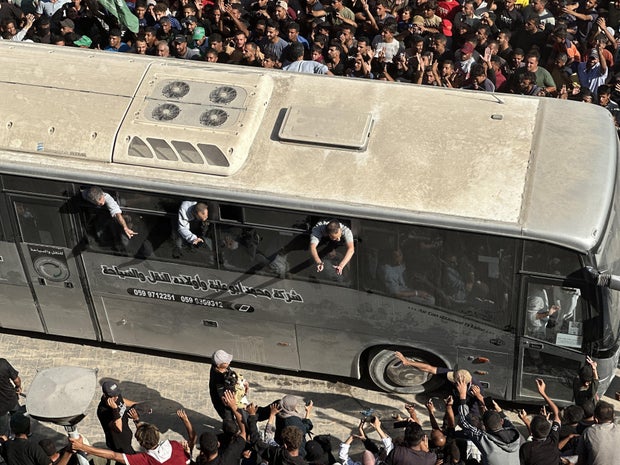
All 20 living Israeli hostages held by Hamas have been reunited with their families. In exchange, Israel released about 2000 Palestinians including 250 who had been convicted and were serving life sentences. The majority, however, had been detained after October 7, 2023 and were awaiting trial. The exchange marked a major milestone in the 20-point peace plan negotiated by President Donald Trump. Speaking before Israel's parliament Monday, Trump called the deal "the historic dawn of a new Middle East."
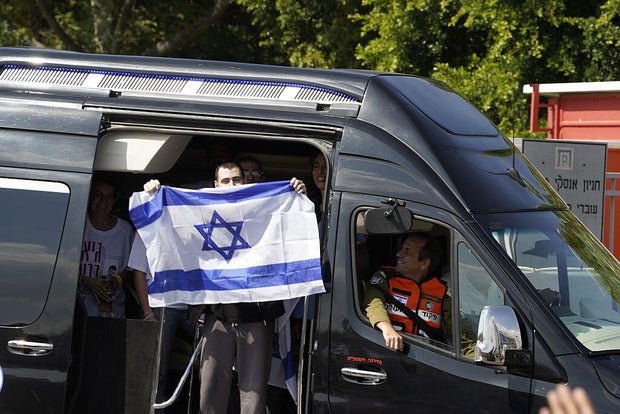
In Denver, the emotional impact of the peace plan is being felt deeply.
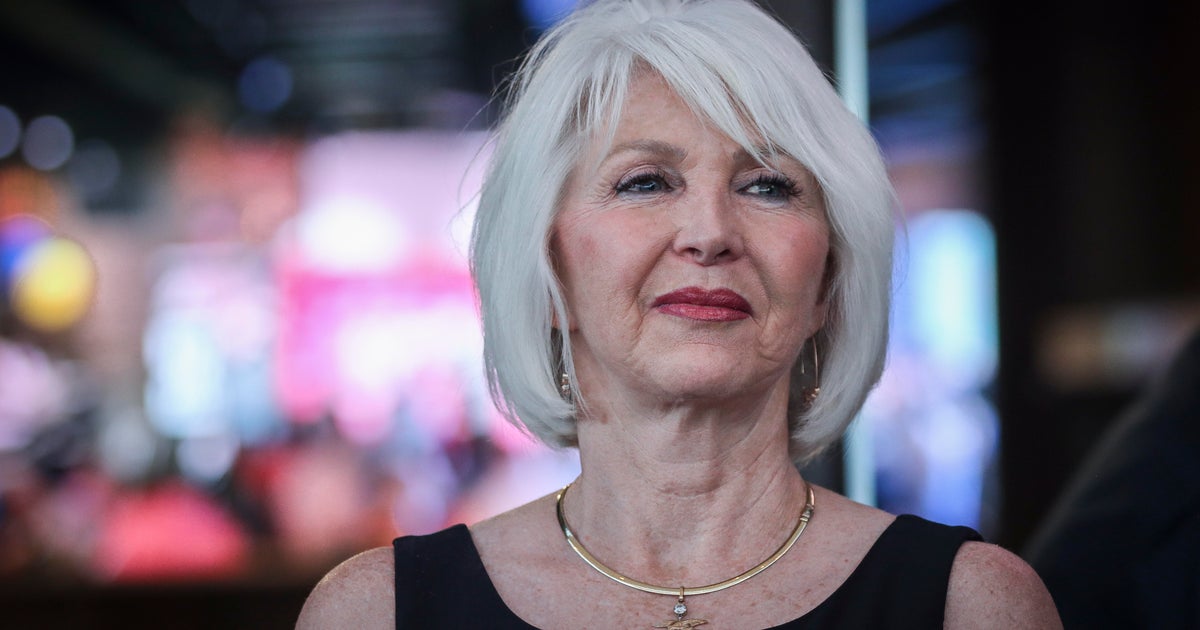
"Many of us were up all night watching the live footage," said Senior Rabbi Elizabeth Sacks of Temple Emanuel Denver. "Any time we see families hugging their loved ones, there is great joy."
Sacks said her congregation has spent the past two years reading the names of hostages still held in Gaza, five at a time, during weekly services. She's also met with families of hostages -- some who survived, and others who did not.
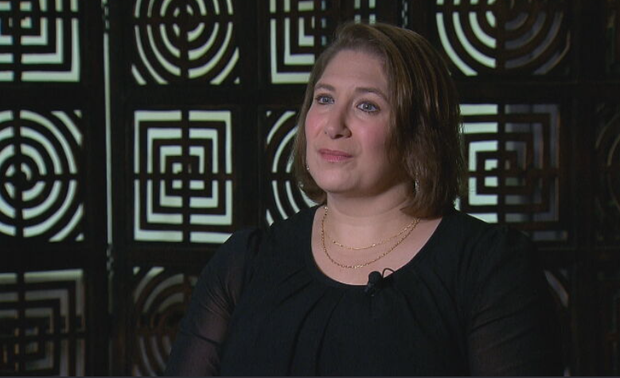
"We are optimistic while not being naive," she said. "We know that we will still cry again, and we know that when we do, we will pick ourselves back up and lean back into hope."
Reema Wahdan, a member of the Palestinian community in Colorado, echoed that sentiment.
"We are glad that we're seeing the hostages from both sides being released," Wahdan said. "From the Palestinian side, there's still many of them that are detained. Our community is cautiously optimistic."
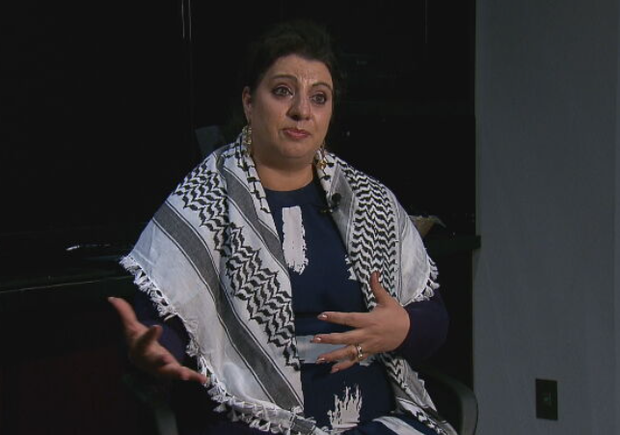
Wahdan, who has family in the occupied West Bank, said the peace plan brings a sense of relief, yet she is still worried for the children who have lived through two years of war.
"The hope and relief is they're going to get basic human rights -- basics of food, water and medical aid and support," she said.
Both Sacks and Wahdan emphasized the importance of community action and accountability moving forward.
"There is so much solidarity and there is so much hope that we can lift each other up together," Sacks said. "But it's going to take time."
Wahdan added, "I think it's a collective community action of accountability ... that we all collectively have one unified voice for humanity, for peace, for prosperity. And that looks like holding countries accountable."