Climber rescued after falling 50 feet during traverse between 14ers in southern Colorado
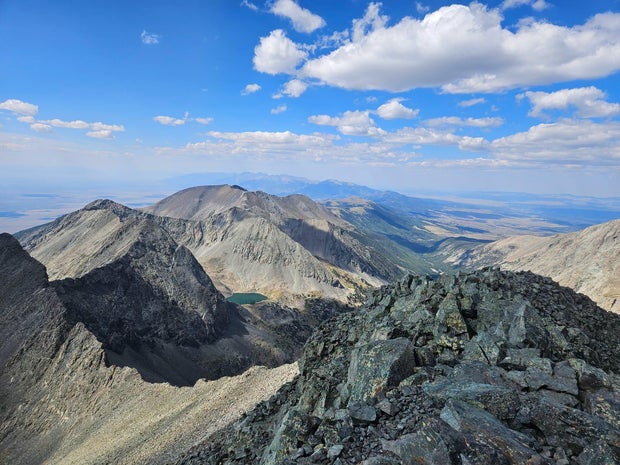
Rescue crews in southern Colorado rushed to rescue a climber over the weekend who had fallen about 50 feet while traversing between Little Bear Peak and Blanca Peak in Alamosa County. Alamosa Volunteer Search and Rescue said that the climber came to a rest on a narrow ledge and was at risk for a secondary fall.
The person who called for help said the climber had a broken lower leg that had broken through the skin and was experiencing severe bleeding. A tourniquet had been applied to the leg but the climber was still in extreme pain.
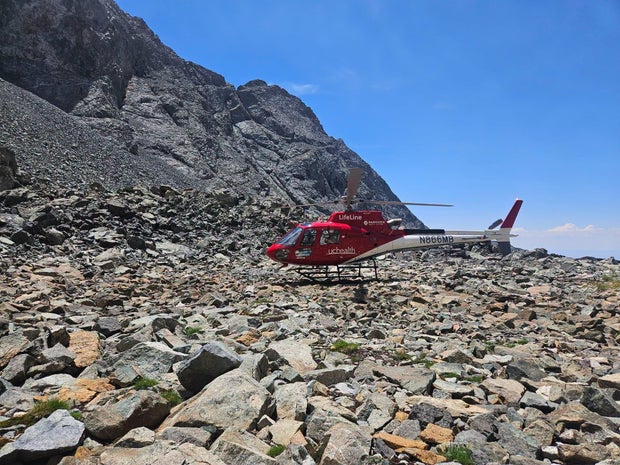
Rescue crews asked for helicopter support from the Colorado Army National Guard and additional resources from LIFELINE 5, an emergency medical helicopter, and AVSAR's specialized 4x4 response team.
Once they arrived at the Crater Lake Basin, two AVSAR rescuers, including an EMT, began hiking to the climber's location while the helicopter arrived to hoist the climber from the mountainside. The helicopter transported the climber and the person who called for help to the Alamosa Airport, where the climber was transferred to the medical helicopter for advanced medical care.
AVSAR said that the Little Bear–Blanca Traverse presents many hazards where "rock failure and significant exposure can result in life-threatening injuries regardless of a climber's experience level." Crews believed that the climber's injuries were likely reduced by the use of a helmet. They also believe the bystander's use of a tourniquet to help slow bleeding played a significant role in stabilizing the climber's injuries.
That traverse is the most dangerous and difficult of the 14er traverse routes, according to 14ers.com.


