Boulder nonprofit plants bear food corridor to keep hungry bears out of neighborhoods
Drought and a late freeze made this a tough year for Colorado's black bears, and hungry bears wandered into neighborhoods across the state looking for food.
A Boulder nonprofit is working to give the bears a reason to stay in the mountains.
In nearly 20 years in his Boulder neighborhood, Michael Alamilla had never seen a bear. Then in September, a bear his family named "Paul" showed up to feast on plums and take a long nap.
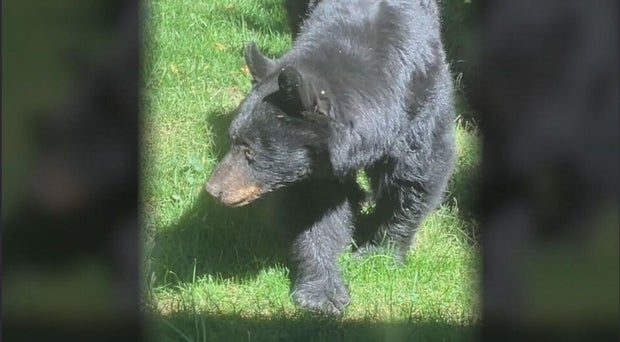
"Of the 15 hours that he was in our yard, he probably ate for a good five hours, and it was evident after cleaning up after him," Alamilla said. "There were multiple piles that we had to clean up full of plum pits."
The Alamillas alerted neighbors. While they appreciated being able to give Paul some food and rest, Alamilla said the situation that brought the bear there is troubling.
"The circumstances that brought Paul here are definitely not good," he said.
"This year was a devastating year for the bears," said Brenda Lee of the Colorado Bear Coalition.
CBS Colorado visited with Lee and coalition volunteer Cole Holloway as they surveyed a buffer zone they hope will keep bears like Paul out of Front Range communities.
Working with Boulder Parks and Open Space, volunteers planted a corridor of native bear food on open space west of town. The plants include serviceberry, rosehip, currant, wild plum and bearberry.
"You can see the blue tag underneath the plant," Holloway said, pointing out one of the plantings.
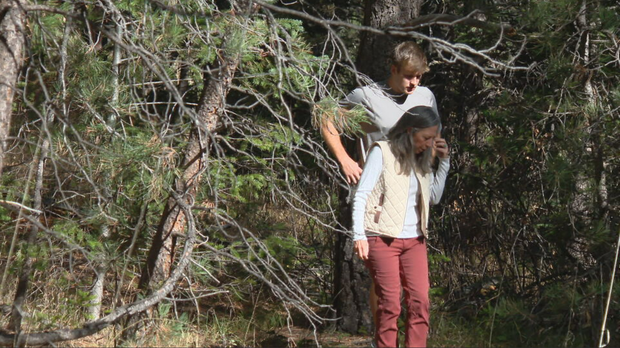
Lee said the mix was chosen with the weather in mind.
"Some of the plants are more freeze-resistant, some are more drought-resistant, drought-tolerant," she said.
The idea is to intercept bears as they move down from the mountains.
"As that bear is moving down looking for food, they come across their native food, and they're going to hang out here and spend eight hours a day eating berries and the other things that we planted, versus continuing into town," Holloway said.
Holloway also designed a wildlife water guzzler, a device that collects water for animals, which he hopes will one day be part of the solution.
"Those are being fed food and water," he said. "So anything that we can do to help them stay out of town, keep them wild," said Holloway.
The coalition now wants to launch a formal study to determine which plants did best and how bears responded.
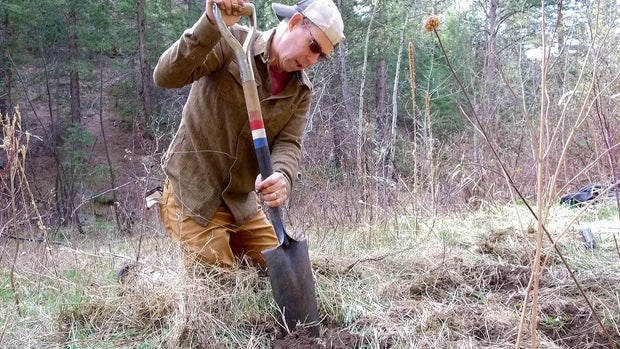
"If we can expand that across open space, across Colorado, across Boulder County, across other counties, across the state, then it could actually have a big impact," Lee said.
Lee said the basics, such as educating communities to secure their trash, remain a main focus of the coalition's work. But the corridor is a test of whether a bear with a full stomach will stay in the mountains.
The Colorado Bear Coalition is among the nonprofits participating in Colorado Gives Day. To support their efforts, visit https://www.coloradogives.org/organization/Colorado-Bear-Coalition