Excitement builds for Colorado engineers behind spacecraft at center of Artemis II mission

NASA's Artemis II mission will send astronauts back to the moon for the first time in decades.
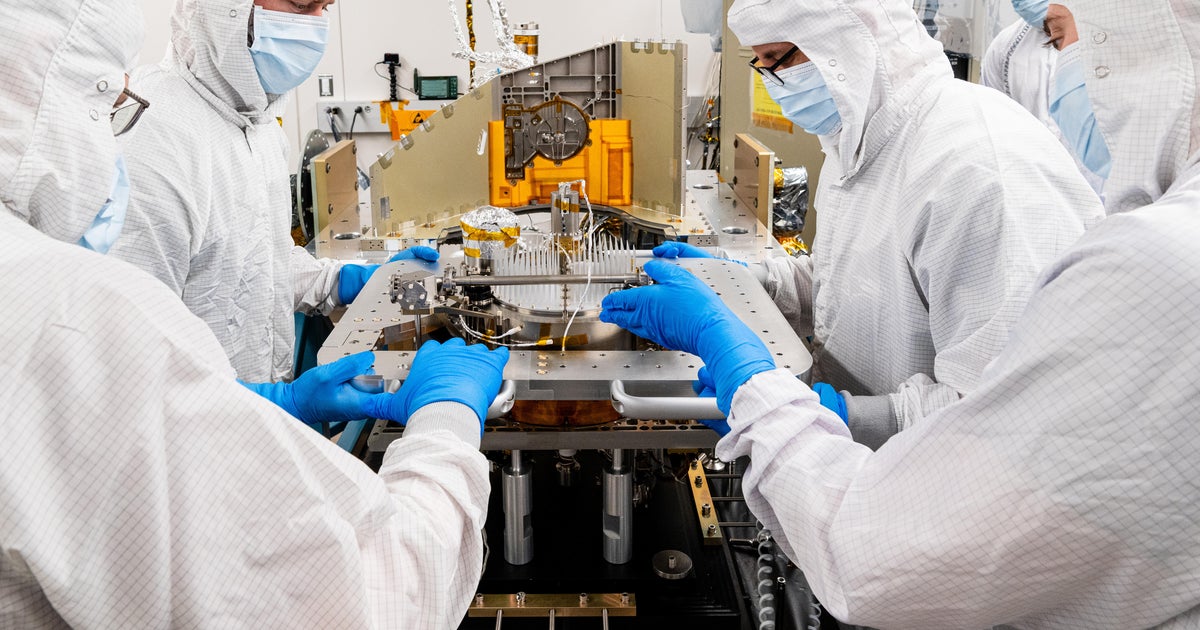
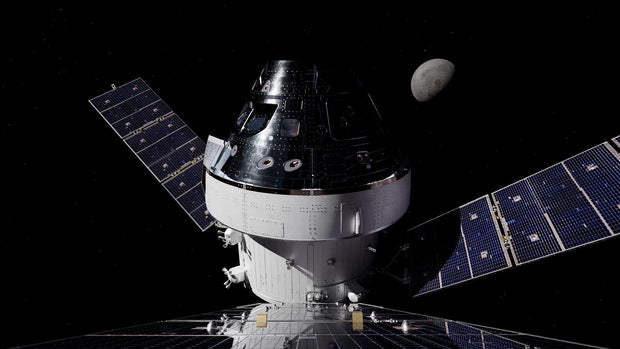
Four crew members will spend 10 days aboard Orion, the spacecraft designed and developed by Lockheed Martin engineers in Colorado.
Paul Benfield, the Artemis II project manager at Lockheed Martin, says the moment is difficult to put into words.
"I grew up in the shuttle era and worked on the shuttle program," he said. "To be at this transition point for the next generation of spacecraft is incredible."
Orion is at the center of NASA's plan to return humans to the moon, following decades of work to make deep space travel possible again.
"This mission will be the furthest humans have ever been from Earth," Benfield said. "It will surpass any of the Apollo missions."
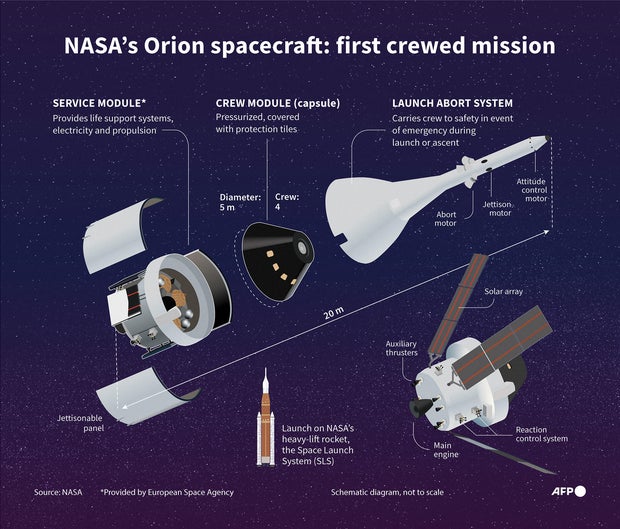
Orion will carry four astronauts more than 240,000 miles to the moon, loop past it, and return to Earth -- all in just 10 days.
"Ten days is extreme on both sides," he said. "It's four days or so each way. That's a quick trip, but it's also a long way to go. And at the same time, it's like a camping trip in a car with your friends -- and you can't get out for 10 days. In that aspect, it's going to feel like a very long mission for the crew."
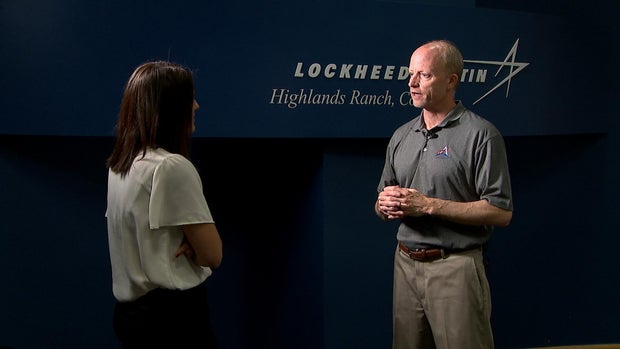
While Orion has completed several test flights, Benfield says Artemis II will bring new challenges.
"It's not easy keeping humans alive in space," he said. "On board, we'll be checking out all the crew systems -- seats, controls, displays, audio. The crew has to be able to eat, drink, sleep. All of those systems are new for this vehicle and new for this flight."
Returning to Earth will test the spacecraft as well.
"As we come back from the moon, we're traveling at 25,000 miles an hour -- more than 10 times the speed of a rifle bullet," Benfield said. "As we slow down in Earth's atmosphere, we generate about 5,000 degrees Fahrenheit of heat. The vehicle has to withstand temperatures about half as hot as the surface of the sun."
With only days left before a potential launch, Benfield says Colorado has reason to be proud.
"We have almost 400 suppliers here in Colorado that have contributed to this mission," he said. "That's a huge footprint of capability, interest and excitement."
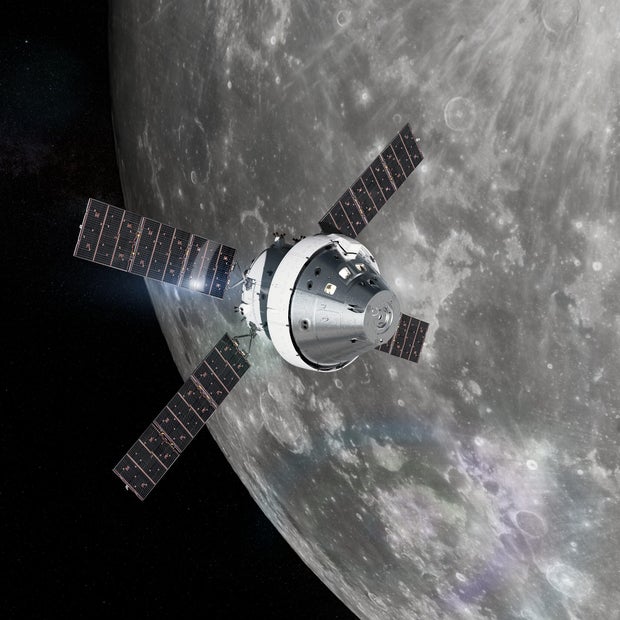
While Artemis II will not land on the moon, he hopes the journey will be as thrilling as the last era of lunar exploration.
"Everyone should be watching," he said.
As exciting as the mission may be, Benfield says it marks just the beginning of a new era in space exploration, with the goal of landing on the moon by 2028.
On Wednesday NASA released a schedule for their coverage of the Artemis II mission. It includes a Q&A session with the astronauts, several pre-launch news conferences in the days leading up to April 1 and coverage of the actual launch just before 1 p.m. on April 1.