Allergy season in Colorado off to an early start; health expert offers tips on how to manage them
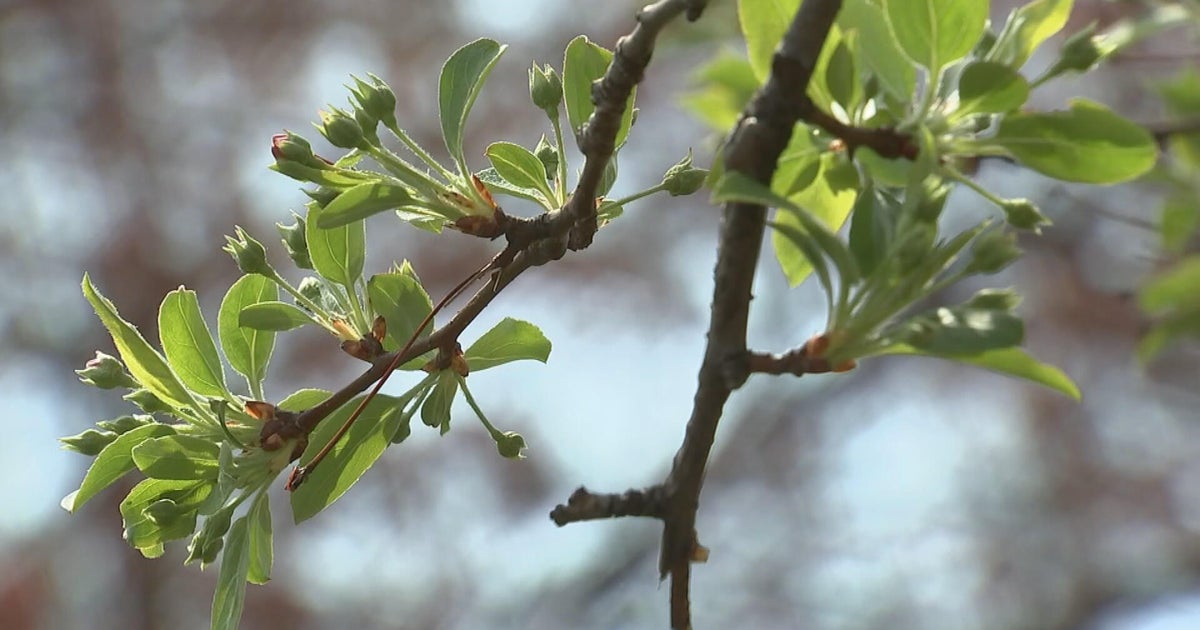
A record warm winter, combined with dry conditions across Colorado, has created the perfect conditions for allergy season to start early.
"It has been a very warm winter, not enough frost-filled days," Denver Health's Dr. Lindsay Fish said. "It is warm. The trees and the plants are blooming. That is putting pollen in the air, and pollen is our number one, usually the first thing that triggers allergies for people."
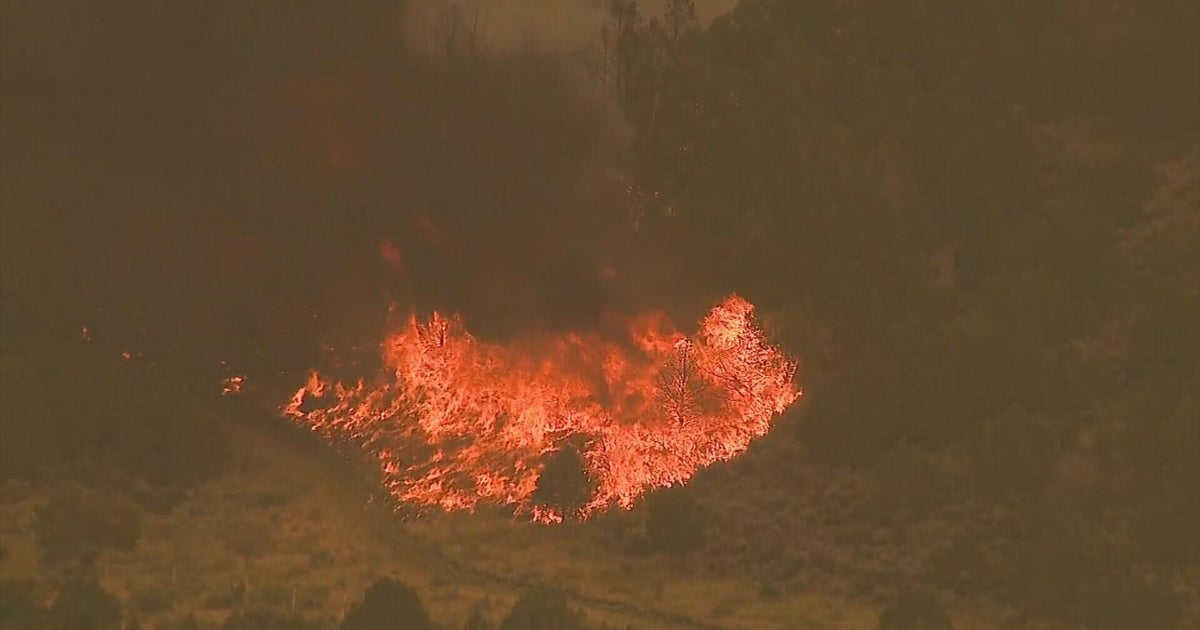
Dr. Fish says as a result, Coloradans will struggle with an earlier, longer, and more intense allergy season this year. Those challenges can be further complicated by increased pollution and smoke from wildfires as we move into the summer months, she added.
"We really want people to sort of do the right thing ahead of time and think about what they can do ahead of time to prevent it and acknowledge that we expect that things might get worse, unfortunately, with ozone," said Dr. Fish.
She says symptoms between allergies, colds and other respiratory illnesses often overlap, so people may not be sure why they're feeling under the weather.
Allergies often cause itchy, watery eyes and itchy, runny noses, but they can also come with sinus congestion, she explained. But Dr. Fish said that colds and upper respiratory infections more often come with sore throats, coughing, fever and body aches.
"So it is about learning a little bit about yourself and the timing," Dr. Fish said. "If it happens the same time of year, that could be more allergy related. If you notice your symptoms are worse, for example, after being outside doing yard work or hiking where you're exposed to more of those allergens, that can also be another clue that it's allergies."
She said that it's important to get medical help right away if someone experiences wheezing, chest tightness or difficulty breathing.
Dr. Fish suggested that people with allergies start taking their daily over-the-counter or prescription medications now, particularly those with asthma or other lung diseases.
"You really want to make sure you're on all your medications, they're refilled, and you're taking them every day to minimize those triggers that can make it worse," she urged.
Another thing that she suggests is changing clothes and showering after coming back inside to avoid spreading pollen across the house. Sleeping with the windows closed is also important so that allergy sufferers aren't breathing in pollen all night long, she added.