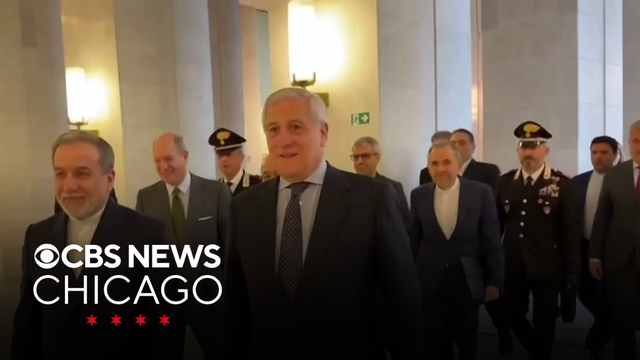
U.S., Iran express optimism following second round of nuclear talks
The U.S. wants Iran to stop production of highly enriched uranium, which it believes is aimed at building an atomic bomb. Iran doubled down on its right to enrich uranium.
Watch CBS News
The U.S. wants Iran to stop production of highly enriched uranium, which it believes is aimed at building an atomic bomb. Iran doubled down on its right to enrich uranium.
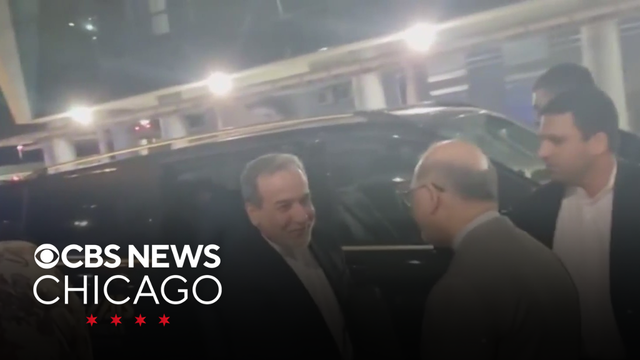
After talks in Oman last week were successful, there is some tempered optimism about a path forward. President Trump suggested this week that he's not eyeing imminent military strikes against Tehran's nuclear facilities.
This comes after U.S. envoy Steve Witkoff and Iranian foreign minister spoke in Oman. The talks will take place next Saturday.
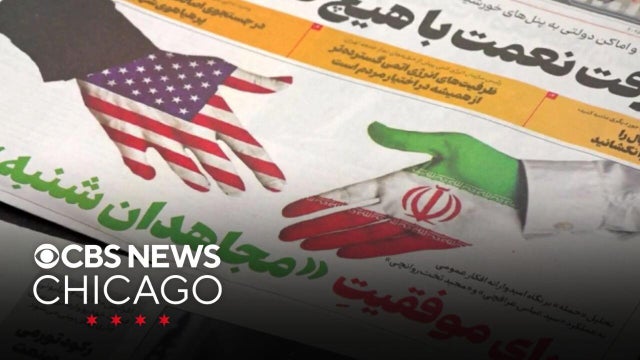
The U.S. and Iran held their first talks on Tehran's nuclear threat since President Trump returned to office.
They're meeting in the gulf Arab nation of Oman.
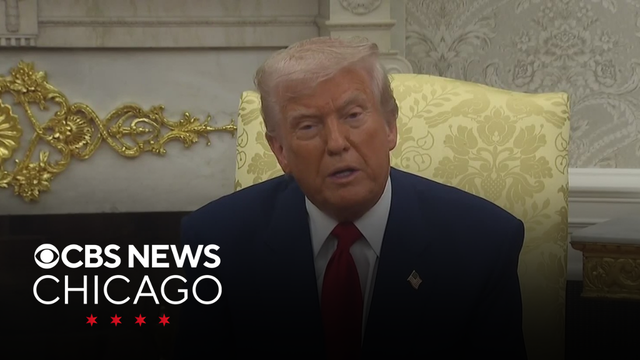
During a meeting with Israeli Prime Minister Benjamin Netanyahu, Mr. Trump said that "we're having direct talks with Iran," beginning Saturday.
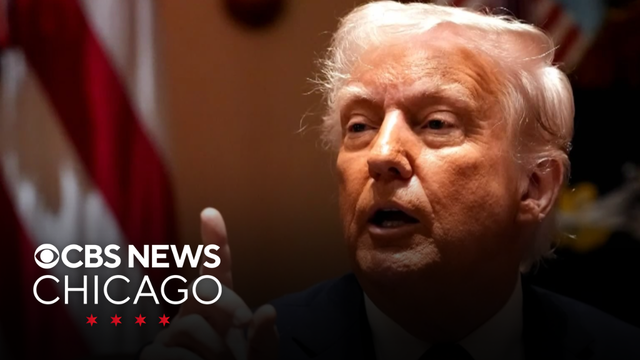
Tehran's response to a letter from President Trump could be far from the final word on the matter. Cristian Benavides reports on that, and on criticism directed at President Trump for not ruling out using force to take Greenland.
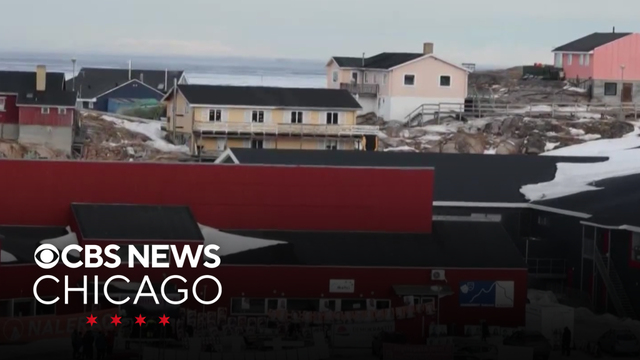
President Trump has repeatedly said he wants to take control of the world’s largest island. Shanelle Kaul has more ion that, Waltz’s comment that the U.S. is making progress against Iran-backed Houthis in Yemen, and new signals that Columbia University’s efforts to satisfy the Trump administration’s demands could restore federal funding to the school.
The directive comes as Trump said he would like to reach a deal to gain more control over Iran's nuclear capabilities. It is unclear how the US would respond if Iran fails to enter direct talks about its nuclear program.

It's the first step for the country in scaling back internet restrictions.

The Italian Foreign Ministry says Cecilia Sala was reporting in Tehran when she was arrested. She has been held in the county for the past nine days.
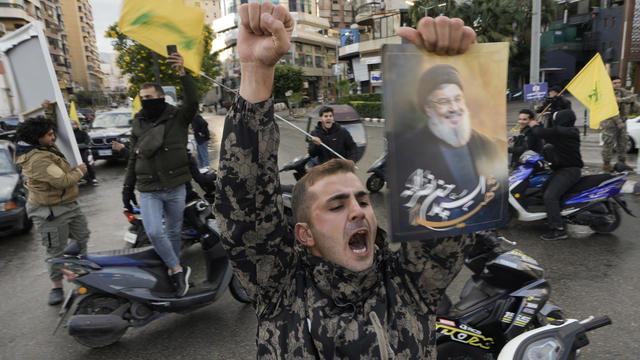
A ceasefire in Lebanon between Israel and the Iran-backed militant group Hezbollah appeared to be holding several hours after it began.
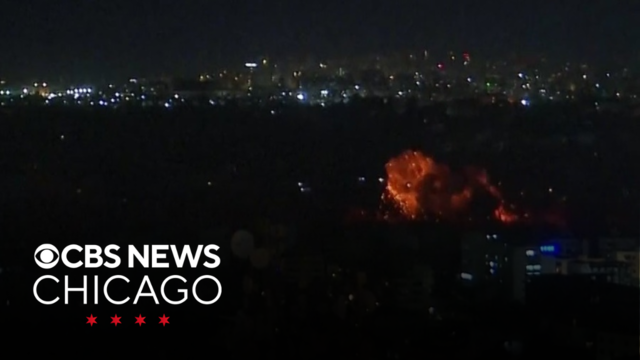
Plumes of smoke and fire were seen rising over the Lebanese capital of Beirut last night during Israel’s bombardment.
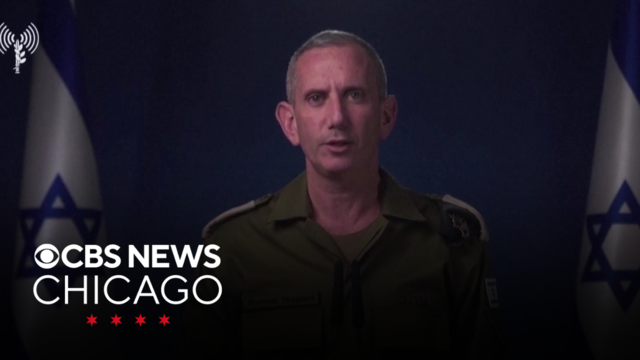
For the first time, Israel has openly attacked Iran - in what it calls payback for previous attacks during the past year.
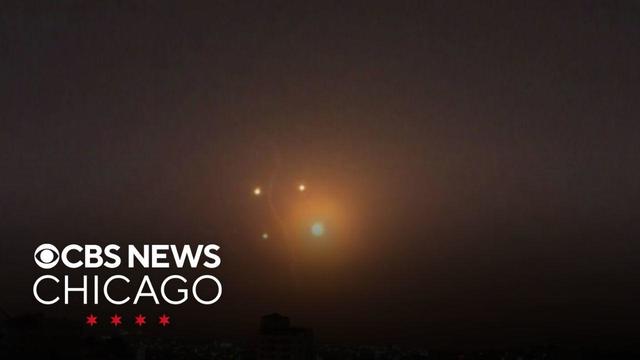
Explosions were heard in Tehran, but the scope of the attack remains unknown.
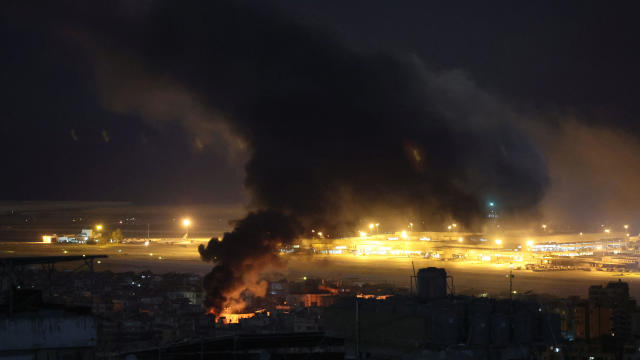
Israel says strikes are targeting a Lebanese financial institution that "directly funds Hezbollah's terror," as thousands of civilians flee their homes.
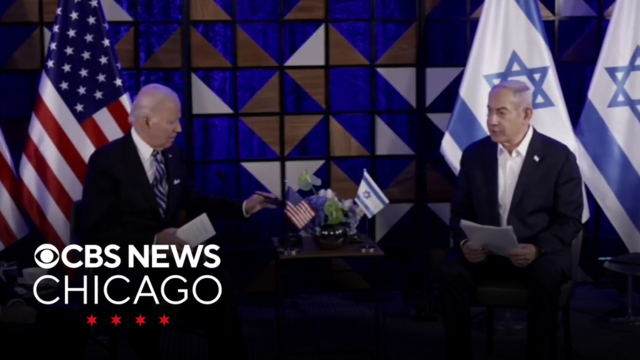
Further intensifying matters is a video circulating on social media that showed Israeli soldiers planting their country's flag on Lebanese soil, something the U.S. State Department called "unhelpful."
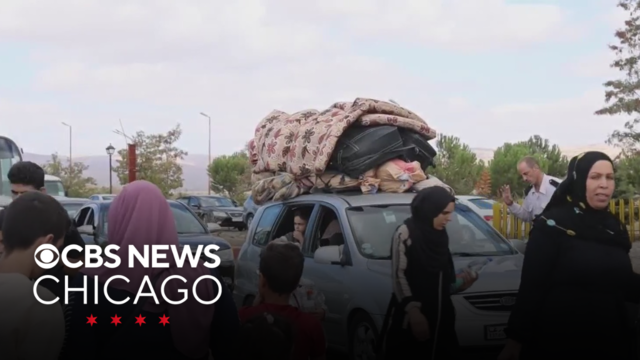
Recent footage from the world food program shows the scale of the crisis as people search for a safe place on foot, by car, bus or any other means possible.
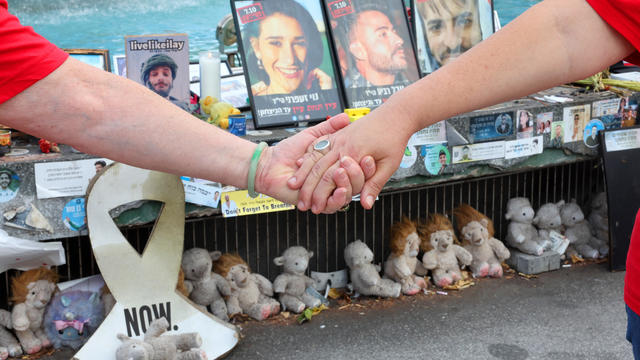
Exactly one year after Hamas' terrorist rampage in Israel, 101 hostages are still missing and the death toll is still climbing.
The U.S. said it will continue to support Israel's ground invasion into Lebanon, which it describes as "limited."
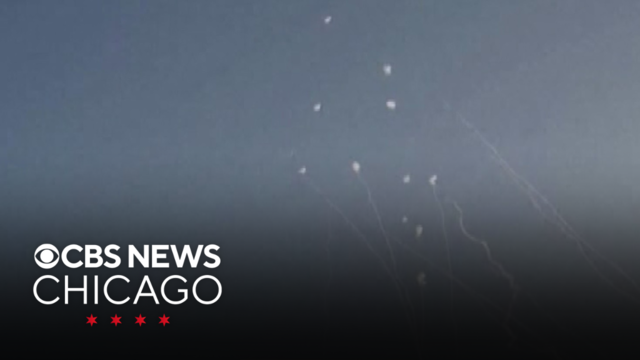
Sirens wailed as Israel's iron dome defense system stopped the incoming rockets believed to be fired by Hezbollah from Lebanon.
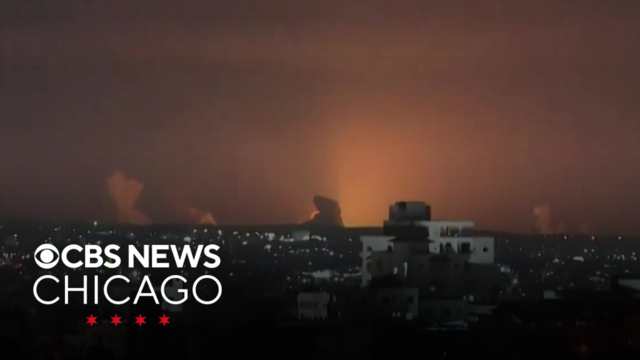
Israel says it's beginning a limited ground incursion, targeting the Iran-backed Hezbollah militia.
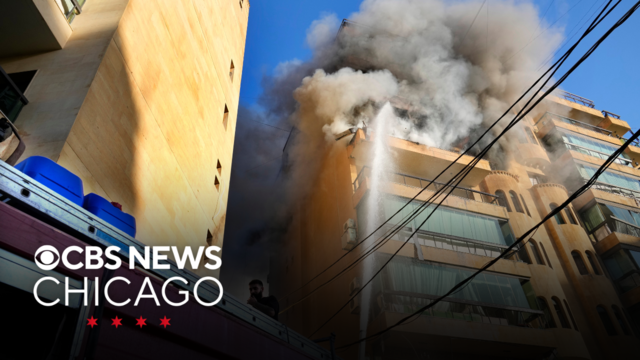
Israel's military said Wednesday that eight soldiers had been killed in "intense fighting" with Hezbollah militants in southern Lebanon, three days after it launched ground operations in the country. The update on the ongoing ground raids came almost a year after Israel launched its war against Hamas in the Gaza Strip in retaliation for that Iran-backed group's Oct. 7 terrorist rampage, prompting Hamas' ally Hezbollah to start firing rockets at northern Israel.
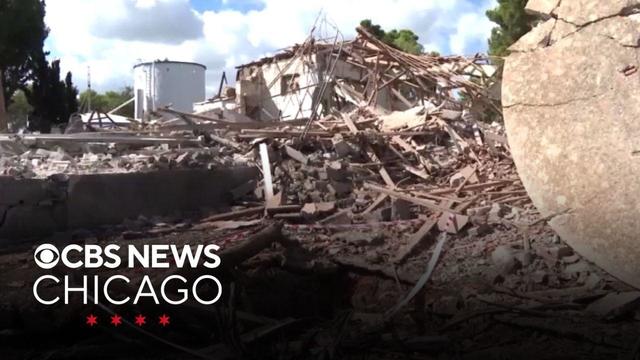
Fears are growing of an expanded war in the Mideast, after Iran fired ballistic missiles into Israel, which were shot down with the help of the United States. Israel has said Iran will pay a price for the attack.
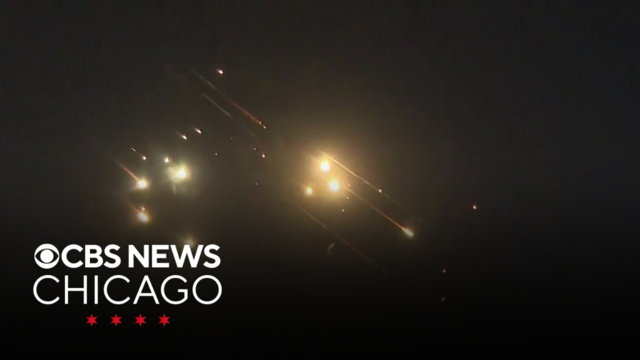
The rocket barrage comes after Israel launched deadly strikes on Iranian-backed Hezbollah in Lebanon.