Advocates rally to support Illinois bill that would make gun makers pay into victim fund for first time

Gun violence prevention advocates and survivors from across Illinois are heading to Springfield on Tuesday to push for the first-of-its-kind Responsibility in Firearm Legislation (RIFL) Act. A number of groups, including March For Our Lives and the RIFL Act Coalition, will be at the Illinois State Capitol.
Organizers said the RIFL Act would make Illinois the first state to hold gun manufacturers financially responsible for violence incurred by their weapons. This also includes resources for survivors and community violence intervention.
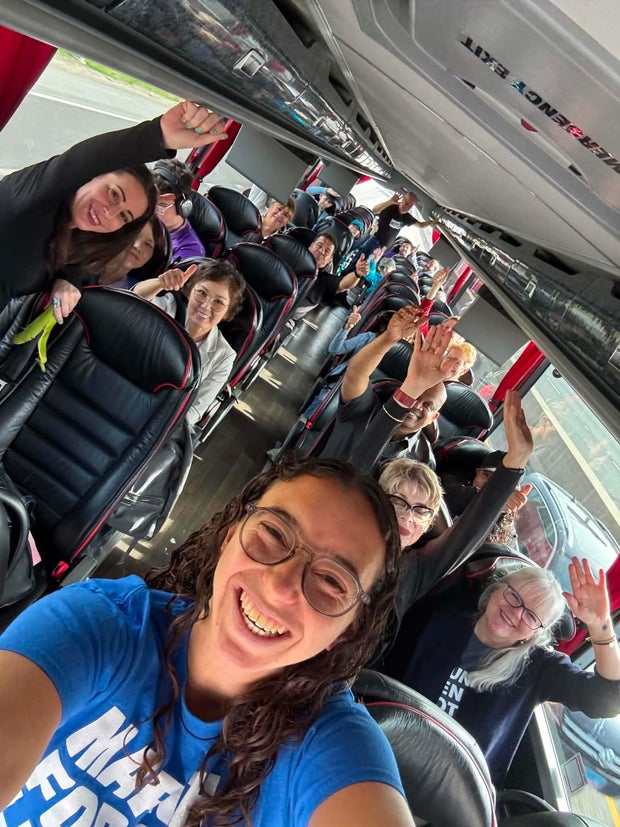
Advocates boarded buses on Tuesday morning, and leaders called the energy "electric."
"This is the most comprehensive gun violence bill the state and country have ever seen, so we feel like we are making history," Rachel Jacoby, gun violence prevention advocate, said on board one of the buses. "We want to encourage our lawmakers to be bold and courageous to get this bill over the finish line."
The RIFL Act was introduced in the Illinois House last February. While it wasn't called for a vote last session, the RIFL Act gained support over the past year.
UChicago Medicine Surgeon Dr. Anthony Douglas has been pushing for the RIFL Act since January of last year.
"Medical care, law enforcement, judicial costs, funeral and burial expenses, this industry socializes the public costs but privatizes the profits," Douglas said.
Funding for victims under RIFL Act
The legislation would require firearm manufacturers to be licensed in Illinois. Money collected from licensing fees would go into a victim fund for related expenses.
Funds would then be available for people hurt by guns and their families, covering medical bills, lost wages, funeral costs, and more.
Advocates estimate firearm injuries cost Illinois taxpayers and survivors almost $20 billion a year in law enforcement response and recovery expenses.
Opponents, including the National Rifle Association, have characterized the RIFL Act as unconstitutional, suggesting it is tantamount to the industry being asked to "pre-confess" to crimes.
RIFL Act creators hope their bill passes in Illinois and becomes a model for the rest of the U.S.


