Negro Leagues baseball legend Dennis Biddle helping Aurora kick off Black History Month
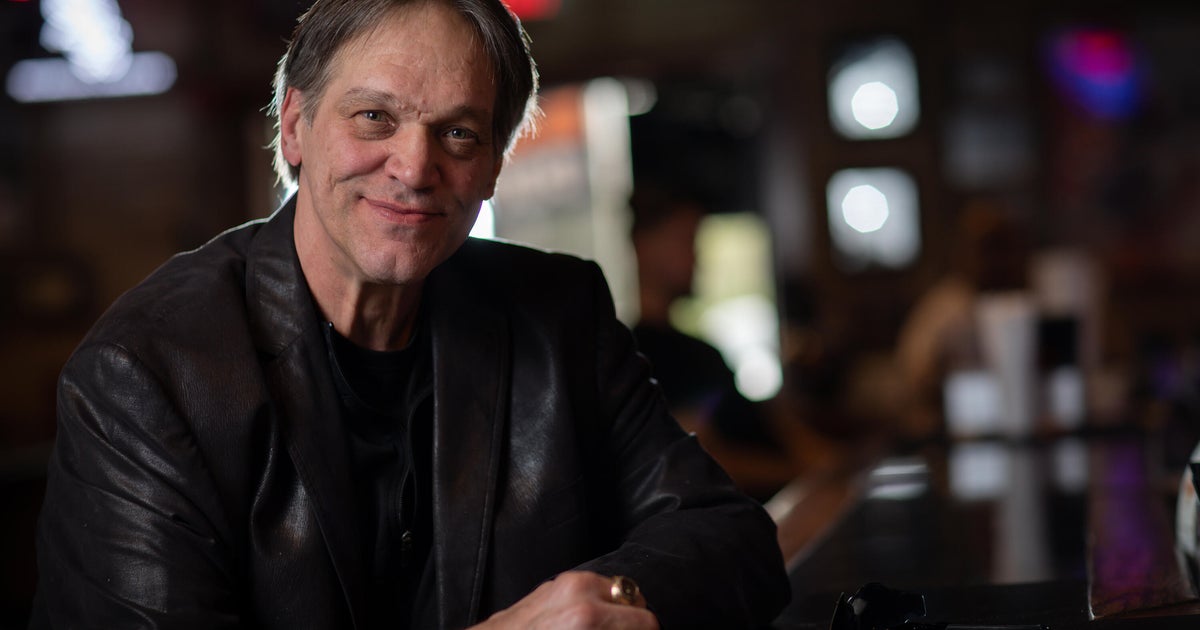
The city of Aurora is kicking off Black History Month by honoring a living legend, one of the last remaining Negro Leagues baseball players.
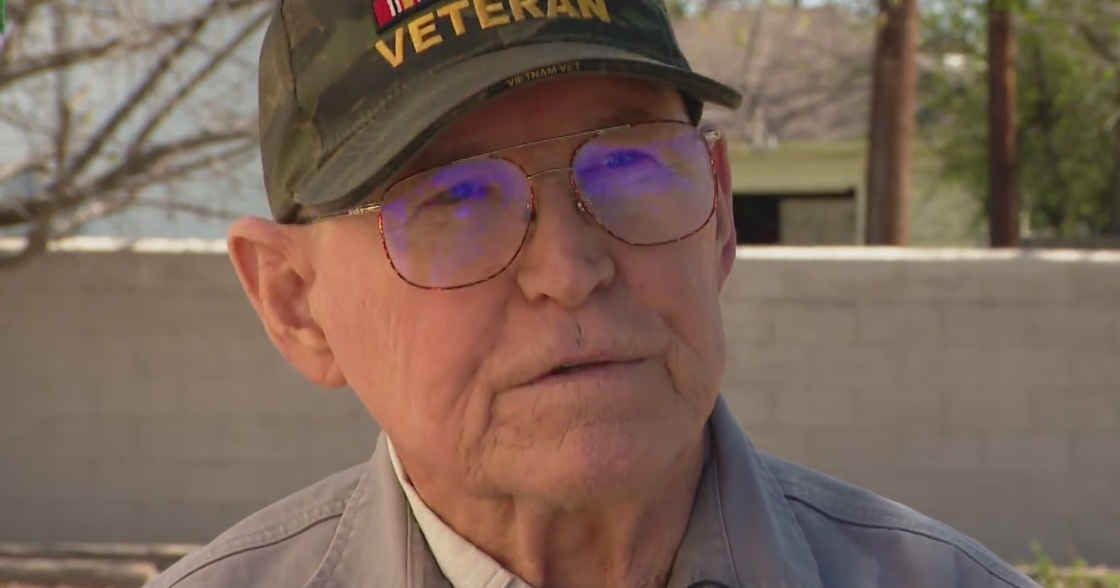
Dennis Biddle, 92, is sharing a narrative that was never shared in textbooks, a history he said has been largely covered up.
"When I look back over my life, the Lord put me there for him. He didn't put me there to play baseball. He put me there to do what I have been doing for the last 30 years; educating my young people, and telling the true history of what really happened," he said.
Biddle is a former pitcher for the Chicago American Giants. He's one of the last surviving members of the Negro Leagues, which was comprised of Black professional teams and leagues formed in response to segregation that banned African American players from Major League Baseball.
He's fought to get former players acknowledged.
"We got less than 10 players living today. I have advocated for over 300 players in 30 years. Ten of them is living today, all of them in their 90s," he said.
Biddle is on tour, showcasing the Negro Leagues Baseball Museum and sharing their message.
Aurora Ald. Will White and others invited Biddle to the city to kick off Black History Month.
"I didn't learn about the Negro League in text books. I learned about it from family that lived during that time period," White said.
Combining Black history with the first Friday of the month, White wanted to showcase Aurora's diversity, as well as educating them on the Negro Leagues.
"It's humbling, really, to hear the story coming from the person who lived the story," he said.
"I'm thankful to the good Lord that he gave me this opportunity, as a 17-year-old kid, to play with – and I guess – some of the greatest baseball players who ever played the game," Biddle said.
You can meet Biddle at the David l. Pierce Art and History Center in Aurora between 6 p.m. and 8 p.m. on Friday.
Biddle lives in Milwaukee and travels the country speaking at schools, colleges, and military bases about the history of the Negro Leagues.