Looming DHS shutdown leaving TSA workers at O'Hare, other federal employees in limbo

A partial government shutdown is set to begin on Saturday, after Congress failed to reach an agreement to approve funding for the Department of Homeland Security. While the stalemate on Capitol Hill continues, federal workers at airports and other agencies under Homeland Security are left in limbo and uncertainty.
The vast majority of DHS employees would be exempted — meaning they're required to work — according to the department's September 2025 funding lapse plan. They would not be paid during the shutdown but would receive backpay after it ends.
Air traffic controllers fall under the Department of Transportation's budget, and that department's funding for this fiscal year has already been enacted. So, air traffic control operations will not be affected.
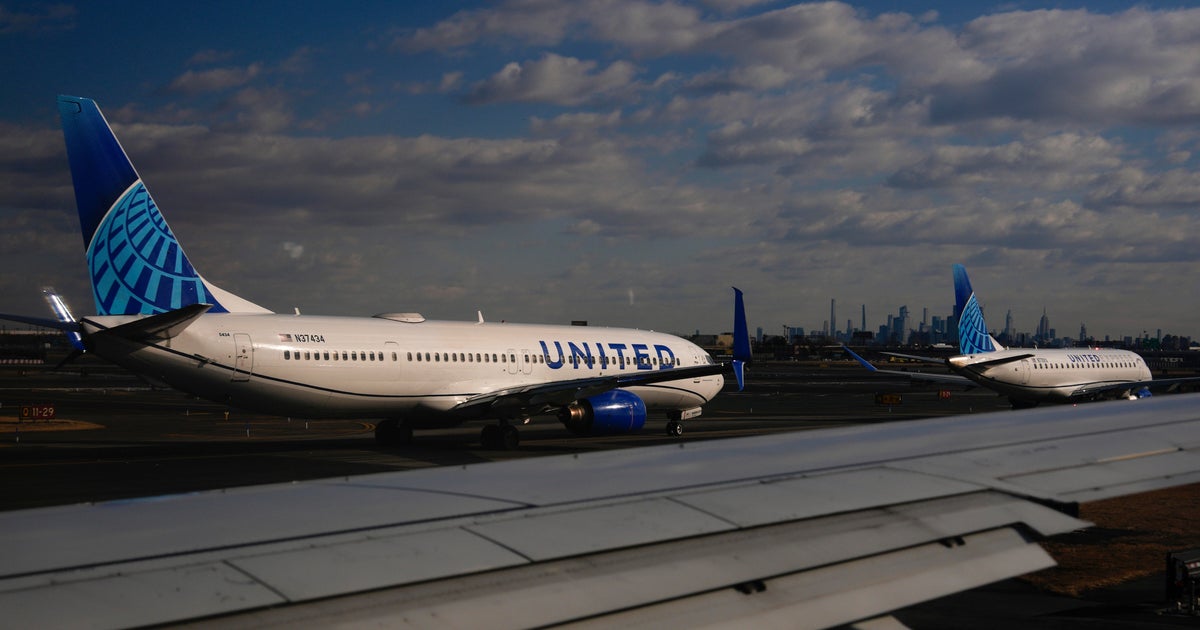
But the Transportation Security Administration falls under DHS, so TSA workers will have to work without a paycheck. Eventually, TSA and airport security staffing levels may be affected, depending on the duration of the shutdown, so travelers could eventually see longer security lines.
Travelers like Tom Fedro said things were running smoothly at O'Hare International Airport on Friday night, just hours before the DHS shutdown was set to begin.
"Honestly, everything was great, we had no problems at all," he said.
But he did notice issues late last year during the previous federal government shutdown that affected TSA.
"We did, and a little bit more security issues back then as far as wait times, etc.," he said.
Darrell English, who leads the union for TSA agents in Illinois and Wisconsin, said the toll of multiple shutdowns could have lasting effects for the agency to retain workers.
"These are people's families and their livelihood that they're impacting, and they live check by check," he said. "This stressful situation is going to have an impact on people's reliability as far as if they want to maintain a job status with the government, because it's so inconsistent as you've seen in just the last three months."
If lawmakers reach a deal within the next two weeks, DHS workers will mostly be ok, since they won't be missing a paycheck, but if the shutdown goes beyond that two-week period, there's concern some workers might call in sick in order to pick up temporary jobs that will pay them or take care of family needs.
Democrats have made a number of demands to restrain the Trump administration's immigration crackdown in exchange for their support of funding for DHS, but could not reach an agreement with Republicans in Congress.
After the shootings of Renee Good and Alex Pretti by federal law enforcement officers last month in Minneapolis, Democrats wanted a requirement for judicial warrants, a restriction on federal agents wearing masks, better identification of DHS officers, new use-of-force standards, an end to detaining people without verifying they aren't U.S. citizens first and to conducting searches based on a person's race, language, accent or job.
"Unless there are really strong, meaningful reforms to rein in ICE and stop the violence, there will not be Democratic votes to fund ICE and extend the awful status quo that now exists," Senate Minority Leader Chuck Schumer said.
But Republicans have said some Democratic demands are too burdensome, leaving it unclear how or when both sides will reach an agreement.
"Democrats can build on the measures the Republicans have already agreed to if they actually engage in serious negotiations with the White House," Senate Majority leader John Thune said.
The shutdown is not expected to affect the Trump administration's controversial immigration enforcement campaign, thanks to the $165 billion cash infusion from last year's One Big Beautiful Bill Act, including $75 billion for Immigration and Customs Enforcement and $65 billion for Customs and Border Protection. The funding goes well beyond the annual allotments that the agencies typically receive and means they will be able continue operations despite the shutdown.
Other DHS agencies like the U.S. Coast Guard, FEMA, the Cybersecurity and Infrastructure Security Agency, and TSA will have essential workers operating without funding.
President Trump has not sounded optimistic about reaching a deal with Democrats anytime soon, saying "we'll see what happens."
"We always have to protect our law enforcement. It's very important. They've done a great job," he said.