Groundbreaking held for $7 billion "1901 Project" near United Center


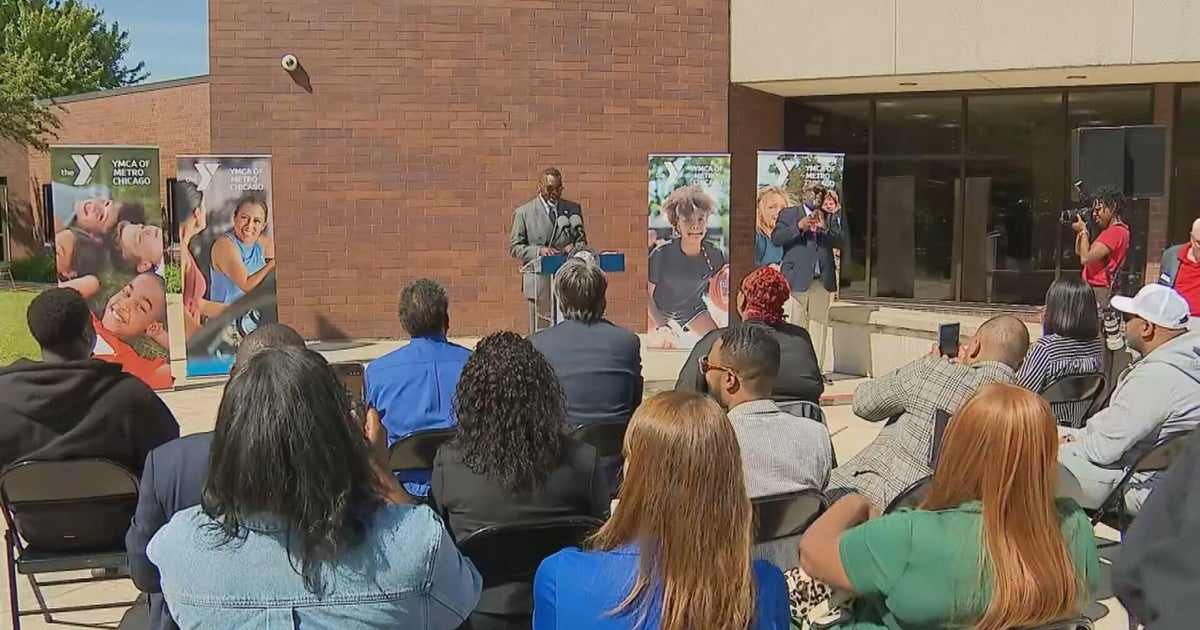
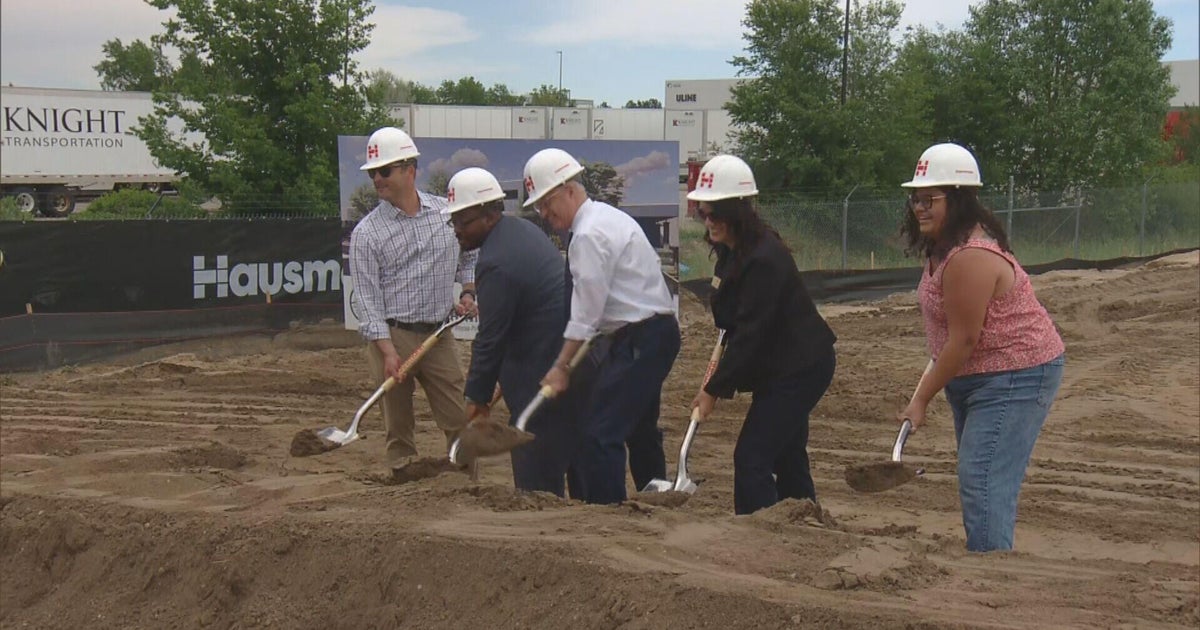
The $7 billion 1901 Project broke ground at the United Center on Wednesday.
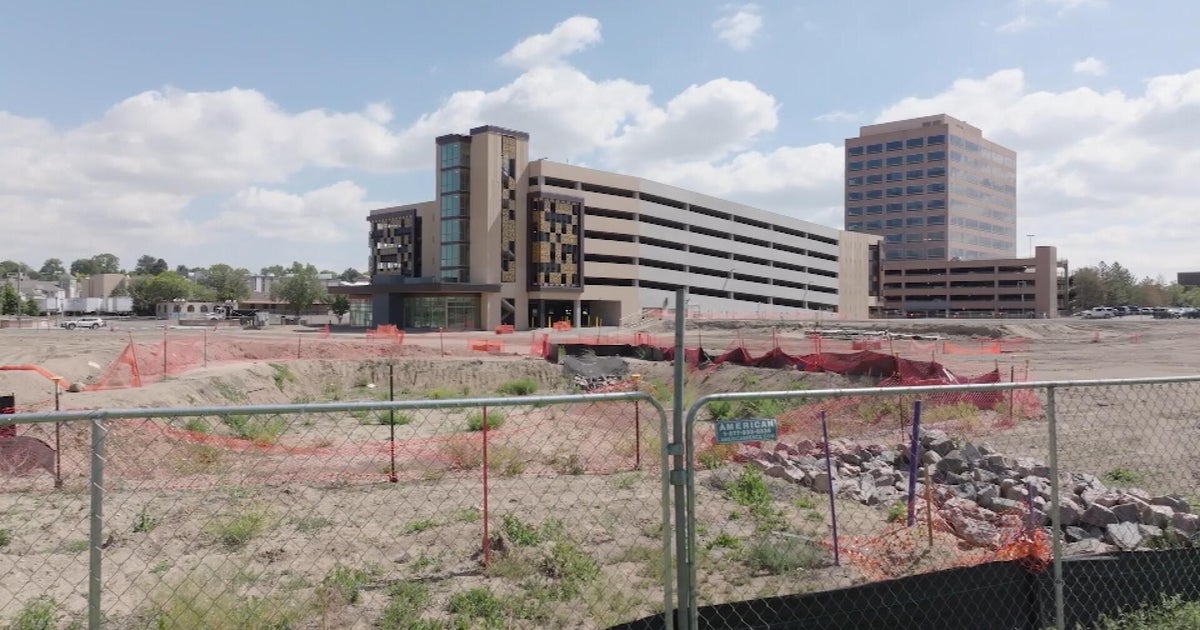
The privately funded development is called the 1901 Project, referencing the United Center's current address along Madison Street. The project will transform more than 55 acres surrounding the Near West Side arena.
The Chicago City Council approved the 1901 Project last spring. The United Center ownership said it will be the largest ever private investment on Chicago's West Side.
"People of the West Side never stopped believing in their neighborhoods, and that's why we are standing here today," said Chicago Mayor Brandon Johnson.
Mayor Johnson called the 1901 Project a follow-through on a promise to the neighborhoods surrounding the United Center.
"Today is not simply about breaking ground on a development," he said. "it's about fulfilling a promise that every neighborhood deserve investment and every family deserves opportunity."
Developers estimate the project will create 63,000 construction jobs and 12,000 permanent positions.
"This project is about more than just development," Cook County Board President Toni Preckwinkle said at the groundbreaking. "It's about investing in people and neighborhoods."
The 1901 Project will essentially overhaul all the parking lots around the United Center and build parking structures to replace those spots.
The development includes a 6,000-seat theater-style music hall, innovative greenspace providing 10 acres of public recreational and community space, multiple dining and retail options, and approximately 5,000 mixed-income housing units.
Former Chicago Bulls guard Derrick Rose said he will be part of the project, which he said will likely involve the second part, focused on workforce development and housing.
The project will be built in phases. The $500 million first phase of the project is made possible through a Cook County Class property tax incentive approved by City Council back in March.
That tax break means an estimated $54.7 million in tax savings over 12 years.
The tax incentive that supports projects in areas determined to need commercial development, but would not otherwise be possible economically.
The final phase of the project is expected to be completed in 2040.