How can federal officers be held accountable after shooting in Minneapolis, use of force complaints in Chicago

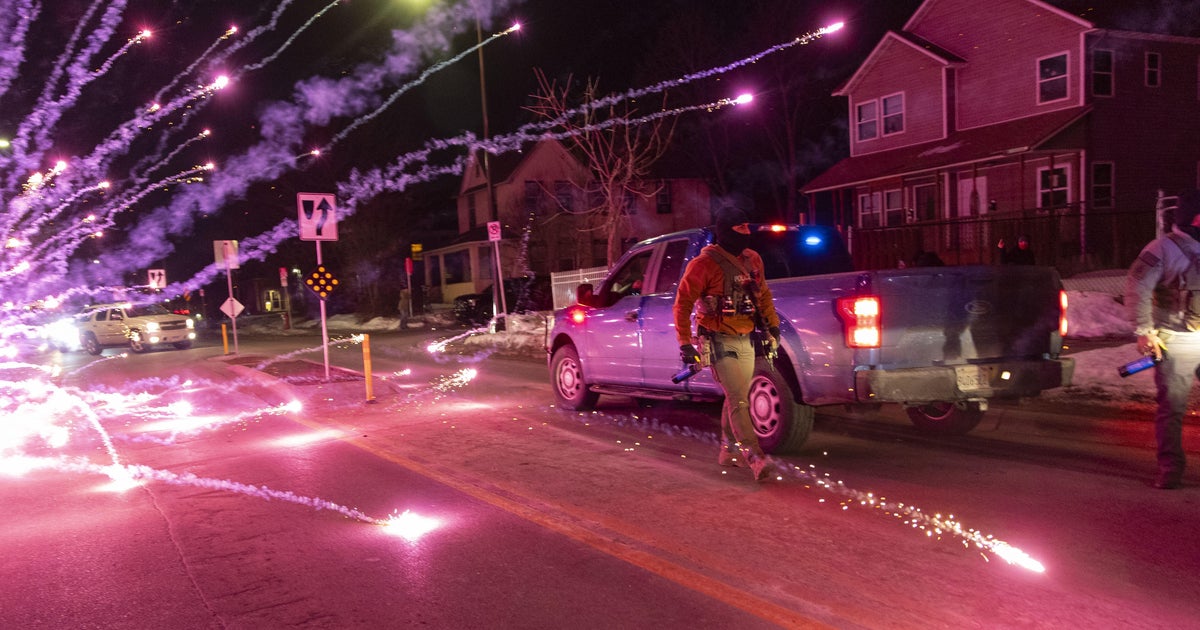
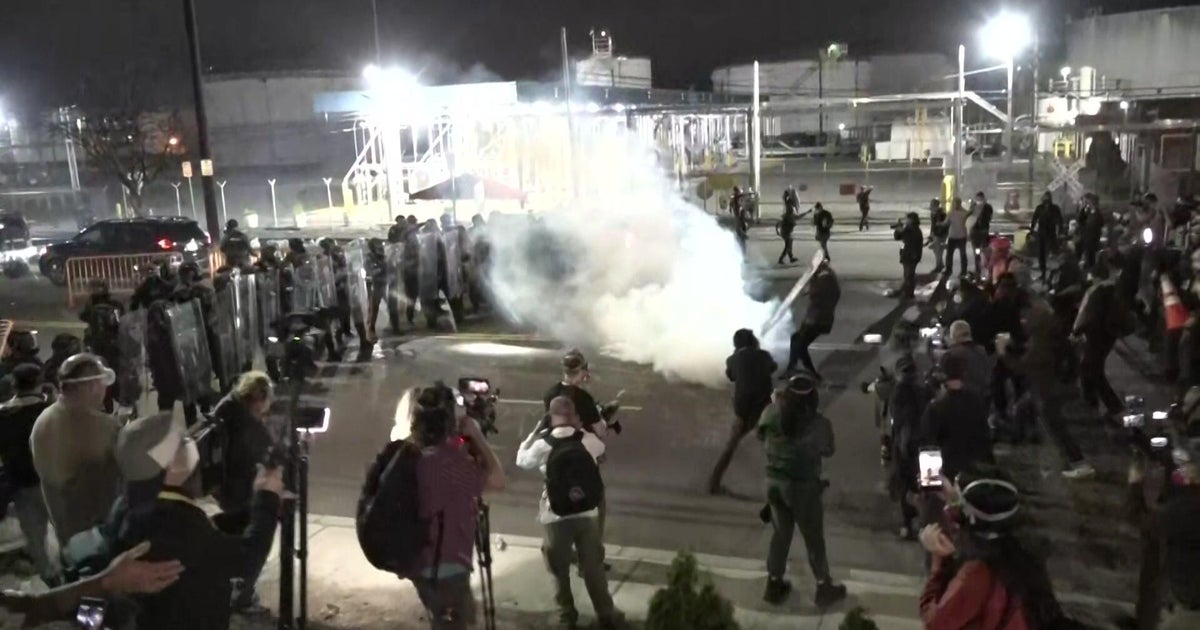
The deadly ICE shooting in Minneapolis, paired with multiple use of force complaints from Operation Midway Blitz in Chicago, have many calling for accountability for federal agents. But who holds them accountable, and how?
While not impossible, the process to hold federal officers accountable is complicated and difficult. They rarely face state charge because the bar necessary to support those charges is so high.
Advocates, journalists and average citizens have become vocal in their demands for accountability since the deadly shooting of Renee Nicole Good in Minneapolis Wednesday.
In the wake of her death, Vice President JD Vance said no, they cannot be held accountable.
"The thing is, the idea that a local official can actually prosecute a federal official with absolute immunity—I've never seen anything like that," Vance said. "It would get tossed by a judge."
But experts said there is no such thing as "absolute immunity."
"When the federal government is acting in its federal capacity, it kind of preempts state law and state rules," said Sharon Fairley, professor from practice at the University of Chicago Law School. She also helped create Chicago's Civilian Office of Police Accountability, or COPA. "If a state can show there's conduct that was not proper and reasonable, then there may be a way for the state to bring criminal charges against a federal law enforcement officer."
And it has been done before. IN the 1992 Ruby Ridge siege in Iadho, an FBI agent killed the wife of a white separatist man they were attempting to arrest after a multi-day standoff. A federal appeals court ruled at the time the agent could be tried for manslaughter, though the case was ultimately dismissed.
Experts warn that the bar is high for proving a federal agent did something outside the scope of their authority.