Chicago's Japanese Cultural Center offering e-tegami classes—combining traditions of calligraphy, poetry, and painting

In observance of Asian American Pacific Islander Heritage Month, we're taking a look at a Japanese art form you may not be familiar with.
It was created decades ago to be less restrictive than other art forms, and as you'll learn, painting a picture is only the beginning.
It's an art form that's flexible.
"The main motto of e-tegami is imperfections. Alright, imperfections just right," said teacher Danielle Stolz.
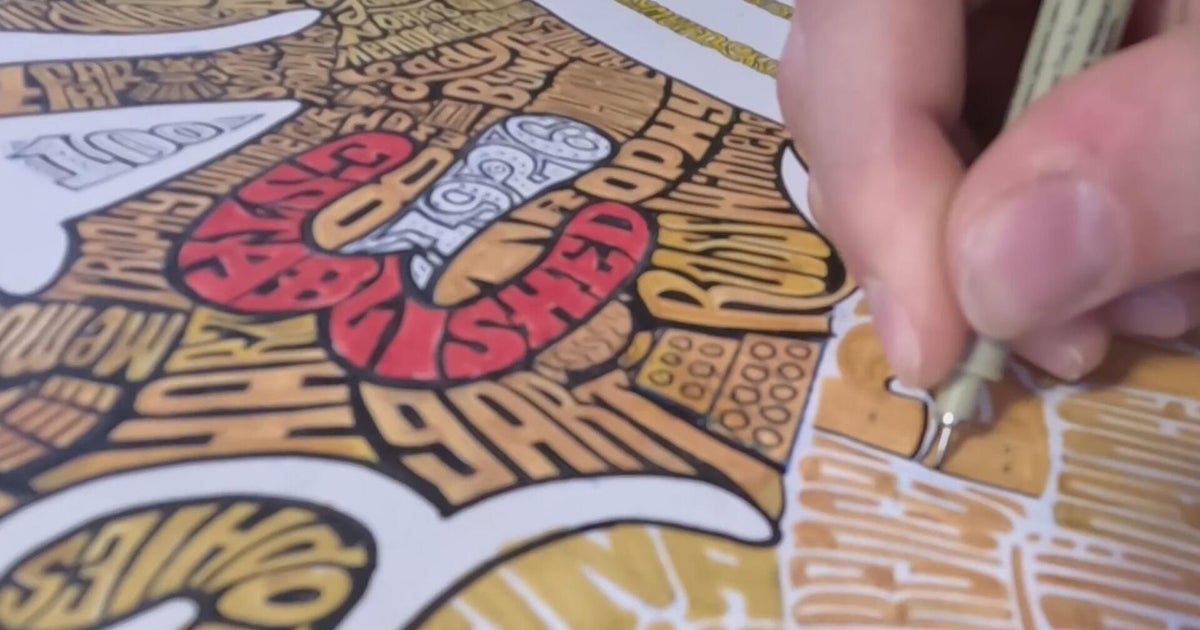
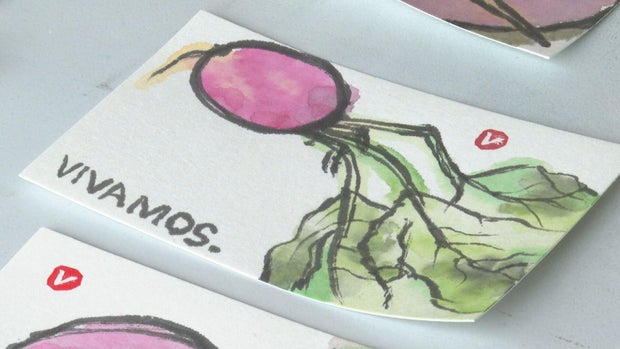
E-tegami is a Japanese art form that involves painting a postcard and mailing it to someone.
"I have become the e-tegami spokesperson of Chicago. It feels like," Stolz said.
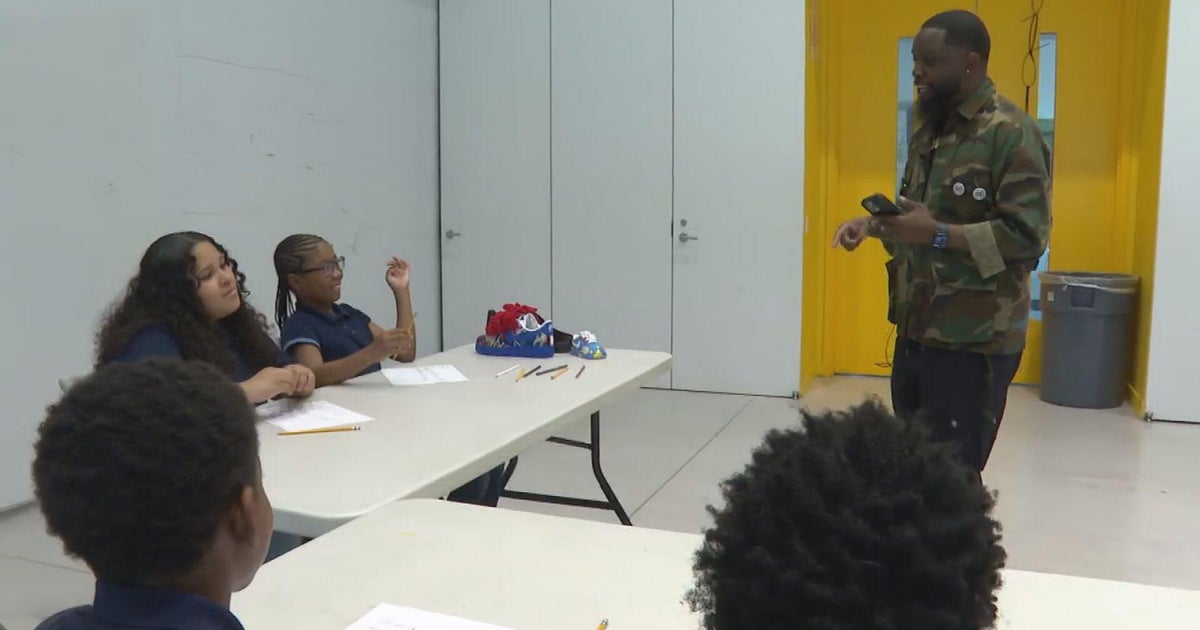
Stolz teaches the art form for the Japanese Cultural Center. She set up this class for CBS News Chicago.
"E-egami translates literally to picture letter, and it is the Japanese mail art featuring seasonal objects. So you are drawing a picture of a seasonal object that you then are designing onto a postcard, doing the drawing, adding the color, and then you're mailing it to someone important," she said.
However, creating art isn't the only reason for this process.
"It's really a way of centering myself within my place in the world," Stolz said. "It allows me to reflect upon my relationships with people. It allows me to reflect on the changes that are happening seasonally around me."
"Felt like I could really just not be as worried about making mistakes, which felt more fun in a certain sense," said student Jeremiah Guzman.
It's Guzman's first experience with e-tegami.
"There's less pressure involved with first on yourself and also from others, where you don't really feel like you, in a sense, have to prove anything. You just have to put yourself there," he said.
Though the postcards are finished, the process itself is not yet complete until the recipients receive them.
"I think it's important to teach this just, mainly as I've been getting at, a way of forcing us out of our, like, daily routines, which oftentimes don't leave time for these, like, moments of reflection and sharing and connection," Stolz said.
She says e-tegami was created in the 1970s by a Japanese calligraphy student who was looking for a less rigid art form to practice.
Stolz will be teaching e-tegami classes at the 61st Street Farmer's market once a month.