Bears' stadium property tax legislation to get first public hearing in Springfield this week
Action in Springfield this week could jumpstart the seemingly stalled negotiations between the Chicago Bears and Illinois state lawmakers on a deal to build a new stadium in Arlington Heights.
Legislation that would allow the Bears — or developers of any other Illinois project costing at least $500 million — to negotiate their property taxes with local governments is set for its first public hearing on Thursday, just as competition from Indiana heats up.
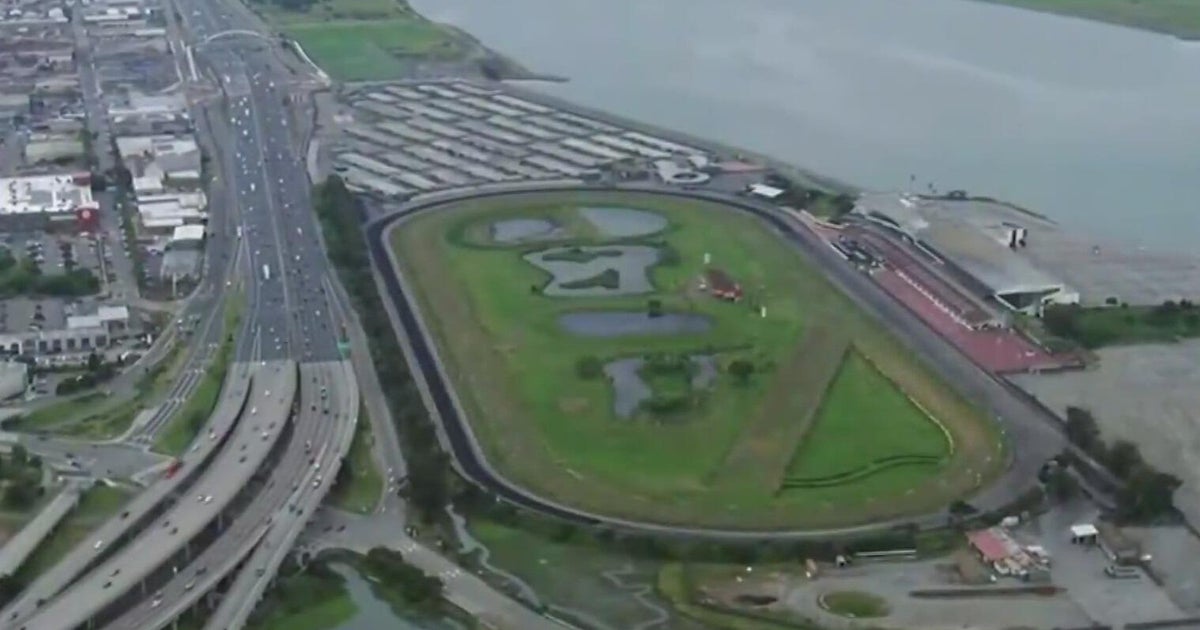
The hearing on House Bill 2789, which the Bears have said is vital to their plans to build in Arlington Heights, comes three years after the team bought the 326-acre site of the former Arlington Park racetrack for $197 million.
Known as the Mega Project Assessment Freeze and Payment Law, the legislation would essentially allow the Bears to work with local governments to lock in how much the team would pay in property taxes for the site for years to come.
"For them to be able to say, we want to know what we're going to pay, and we want to be able to lock in what would probably be a lower rate then what they would pay otherwise is really important to making the deal go forward," said Justin Marlowe, Director of the Center for Municipal Finance at the University of Chicago.
Supporters said that kind of tax certainty makes it easier for the Bears to finance a multi-billion-dollar project.
"If we want the Bears to make a private investment in a privately funded stadium, we have to give them some kind of predictability on the tax bill," said former Illinois state Rep. Tom Demmer.
But some state lawmakers have said they don't want taxpayers to be stuck with long-term risk.
"Whatever deal we land on is one that does not put the people of Illinois in a bad spot financially," said state Rep. Kam Buckner (D-Chicago), whose district includes the Bears' current home stadium at Soldier Field.
Another question in negotiations is the hundreds of millions of dollars in debt tied to the renovation of Soldier Field in 2002 and 2003.
"Whatever we do know, we've got to be mindful of that. We can't fix the past, but we have to be very smart about the future," Buckner said.
Approximately $534 million in debt remains on the Soldier Field renovation, which is covered by hotel taxes in Chicago, and Gov. JB Pritzker has said that financial responsibility does not fall on the Bears.
Another concern is the traffic impact of building an NFL stadium in Arlington Heights. Moving 60,000 to 70,000 fans in and out of the site is its own challenge.
Wherever the Bears land a new home, it will take major planning and usually major upgrades to roads, utilities, and other infrastructure. While the Bears have said they would pay for construction of the stadium itself, they are seeking state funding for those infrastructure upgrades, something Gov. JB Pritzker has said he's willing to support.
"The Bears are going to try to squeeze as much financial support out of the host community that they possibly can," said Joseph Schofer, a professor of civil engineering at Northwestern University. "But there's nothing that's cheap."
State lawmakers have said any deal with the Bears must balance economic development with fiscal responsibility for taxpayers.
This week they want to move one step forward to that reality.
"So much of their value is attached to Chicago and Illinois being who we are," Buckner said.
With Pritzker delivering his state of the state and budget address on Wednesday, the timing adds political weight to the debate.
If the megaproject legislation advances, it would be the clearest sign yet that negotiations are making progress, though it's also possible there won't be a vote yet this week even if a deal could soon be on the horizon.