How to stop spread of invasive spotted lanternfly in Massachusetts
Massachusetts agricultural officials are asking for the public's help limiting the spread of the spotted lanternfly, an invasive species of insect that can be deadly for vegetation in the area during egg-laying season.
The spotted lanternfly, which first arrived in the United States around 2014, has already been confirmed in 145 cities and towns across the state. The Massachusetts Department of Agricultural Resources (MDAR) said the insects have been found in every region except Cape Cod and the Islands.
With the spotted lanternflies now active, they are expected to begin laying eggs soon. The insects will be seen in groups on trees and buildings. They produce a sticky substance called honeydew.
People in Massachusetts are being encouraged to take three steps to slow the spotted lanternfly's spread.
Drivers should inspect their vehicles before leaving an infested area to avoid accidentally bringing spotted lanternflies to new locations, MDAR said.
Property owners are asked to manage infestations by vacuuming up the insects and removing the preferred host.
The final step the MDAR recommends is watching for egg masses during the fall and winter months, then destroying any that are within reach.
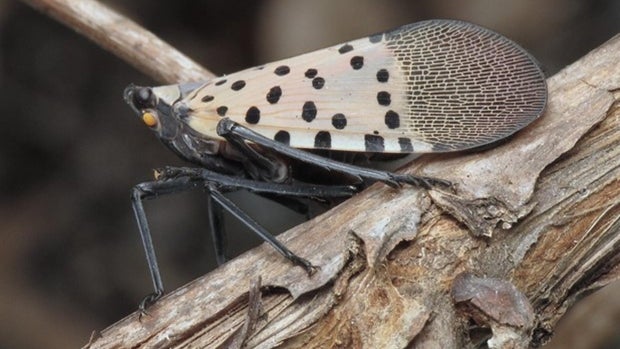
Spotted lanternflies have gray wings with black spots and red hindwings underneath.
Spotted lanternflies do not bite or sting or pose any threat to humans or pets, but they can harm certain species of vegetation. In addition, their honeydew attracts bees, wasps, ants, and other insects.
"As populations of spotted lanternfly continue to expand, we anticipate that more residents will encounter SLF activity at home or where they work," MDAR Commissioner Ashley Randle said. "We are taking a proactive, targeted approach by focusing our survey and treatment efforts where they have the greatest impact – safeguarding high-value agricultural crops and resources along with monitoring our shared borders with the rest of the New England region."


