Curious Why Suspects Can Cover Up In Court
 WBZ
WBZ
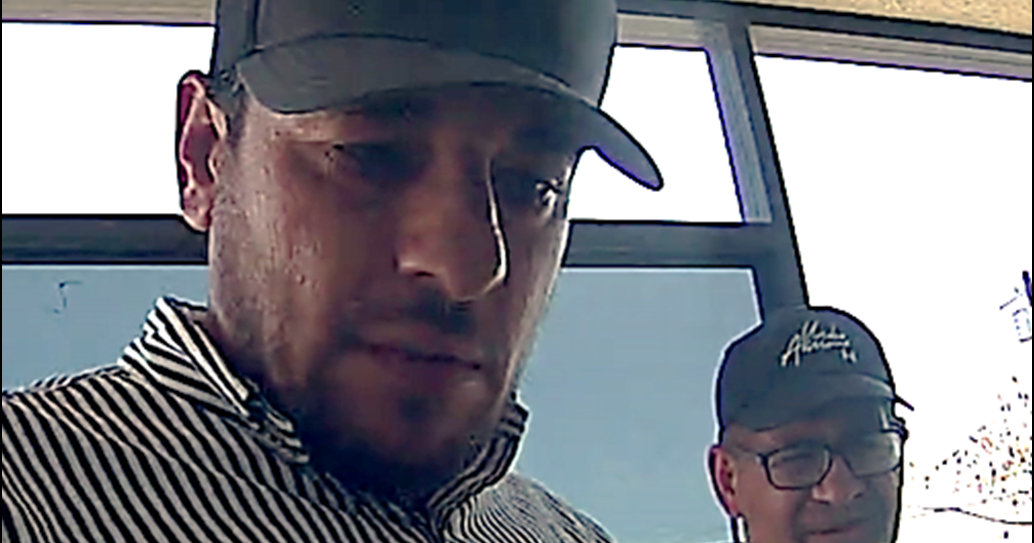
They use blankets, hoods, even their hands to cover their face. When you watch the news, you are bound to see a criminal suspect hiding his or her face in court.
In just the last few days a TSA worker accused of rape masked his identity; a convicted rapist who cut off his GPS bracelet covered up in court; a woman arrested for tossing coffee at a meter maid hid her face.
The pictures led Carol in Rockport to Declare her Curiosity, wondering:
",,,why people who are arrested and go to court get to cover their heads. They should not be allowed to cover their identity."
TWO SIDES TO EVERY STORY…
The real question – what does the law say? We went in search of answers, and received two very different opinions from two different legal experts.
"It's fascinating because they are facing a judge and it is at a minimum rude to cover your face in front of a judge," said attorney and victims' right advocate Wendy Murphy. "But it's also unconstitutional, frankly, to hide yourself from the public."
Murphy calls hiding in court a clear violation of our constitution, which calls for an open legal process.
"If someone tries to cover up the judge should say, 'take that off!'" Murphy said.
David Yas begs to differ. The editor of Lawyer's Weekly said there is another side to this story: the rights of the defendant. Suspects are innocent until proven guilty and there are no rules against covering up.
"This is not some firing squad where the defendant is thrown in there; assume he's guilty and have him lose all sense of dignity," Yas said.
LETTER OF THE LAW…
Both experts agree on the bottom line of the law: it is always up the judge. If the judge wants to order the suspect to take the blanket off his head, he can do that.
Lately, it's been en vogue to be incognito, and judges in those cases have said nothing.
There are occasions when prosecutors or defense attorneys ask that a suspect's identity be concealed, because they think releasing his or her identity too early could jeopardize the case.
Usually, though, it's just a suspect being coy in the courtroom.
Make your voice heard. Add your comments to this story and read what others have to say.
© MMX, CBS Broadcasting Inc. All Rights Reserved.