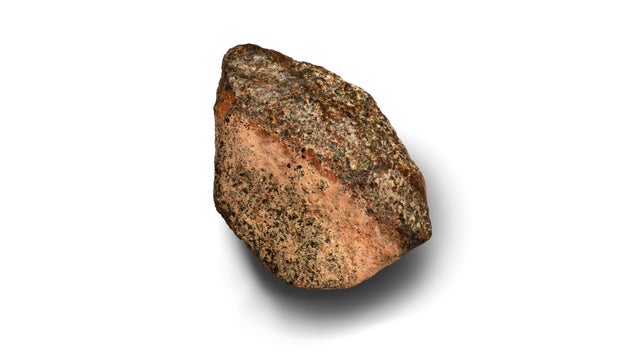
Meteorite found in the Sahara Desert turns out to be piece of Mars
A meteorite found in the Sahara Desert has been determined to be 4.1 billion years old and from Mars.
Watch CBS News
A meteorite found in the Sahara Desert has been determined to be 4.1 billion years old and from Mars.
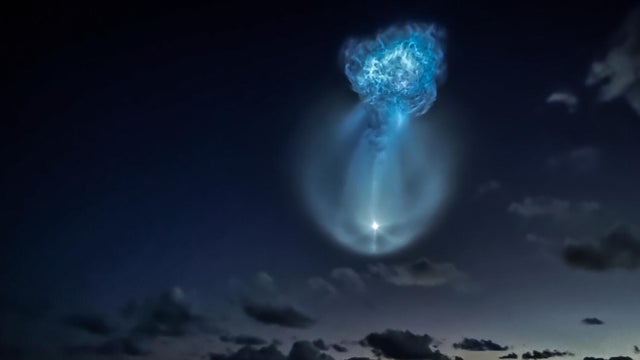
Along with crew supplies and equipment, the Cargo Dragon is delivering two rollout solar arrays to complete a major power system upgrade.
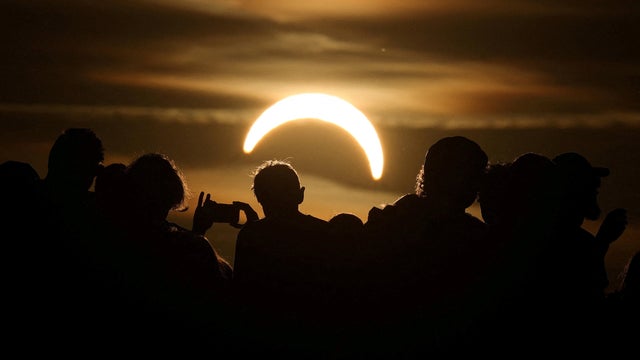
The only total solar eclipse of 2026 crossed the Northern Hemisphere Wednesday, with a path of totality across parts of Greenland, Iceland and northern Spain. See photos and video from the best viewing locations.
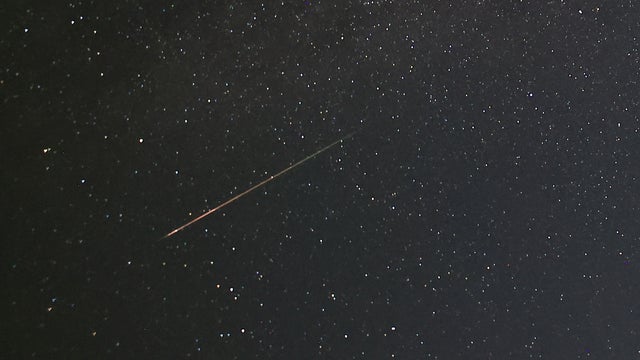
The Perseid meteor shower is the best viewing all year, according to NASA.
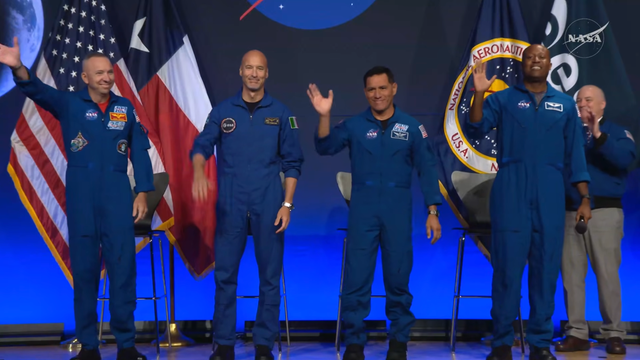
NASA's Artemis III astronauts plan to carry out rendezvous and docking procedures with commercial moon landers being built by SpaceX and Blue Origin.

"We are carrying back everything we learned, not only about where we went but ourselves," mission specialist Christina Koch told "CBS Evening News" anchor Tony Dokoupil.
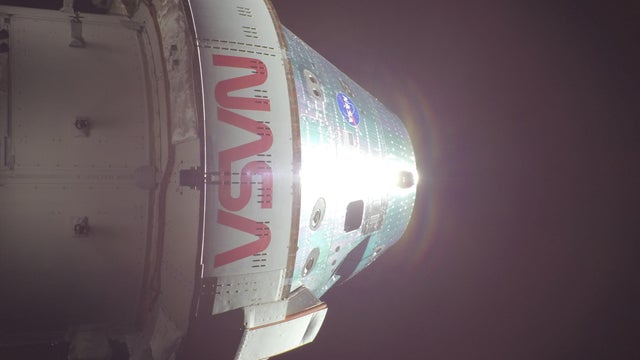
Despite problems during the unpiloted Artemis I reentry, the Artemis II crew is confident their heat shield will protect them during a fiery descent to Earth.
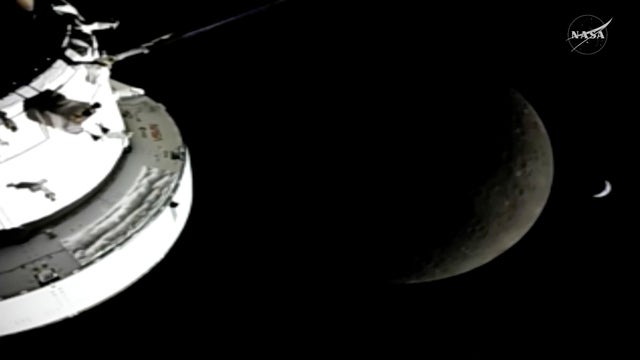
The Artemis II crew flew farther from Earth than any humans in history as they passed over the far side of the moon on Monday night.
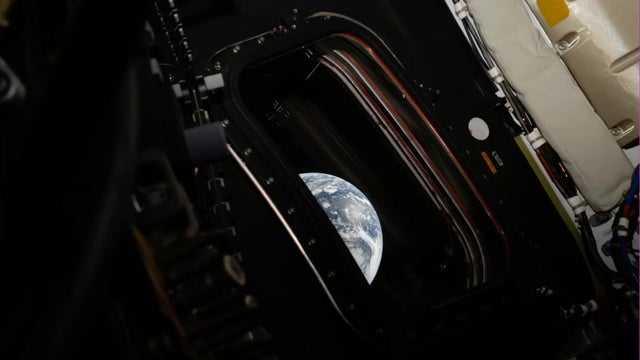
The photo shows the entire planet, as well as the Northern and Southern lights.
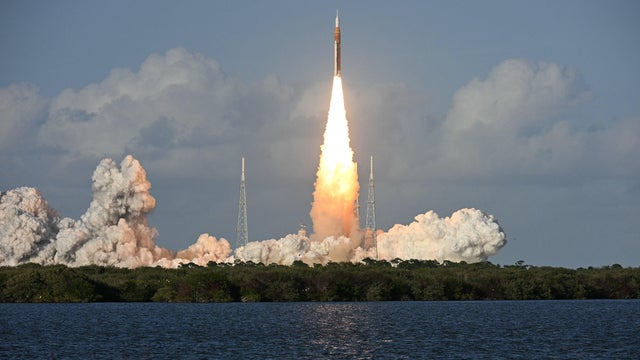
NASA's Artemis II astronauts launched on a nine-and-a-half-day mission around the moon and back.

NASA's Artemis II astronauts — three space station veterans and a Canadian rookie — stand out even in an astronaut corps full of super achievers.
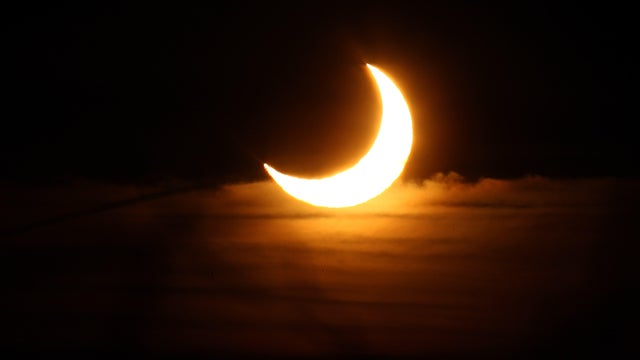
Astronomy fans figuring out where and what time to see the March 29, 2025, partial solar eclipse can check out a map from NASA.
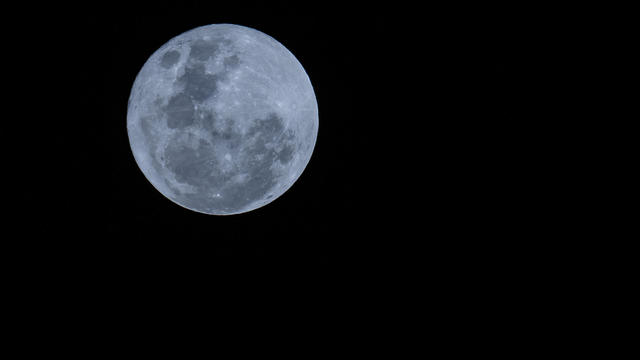
August's full moon, a rare blue moon and supermoon, is lighting up the night sky this week. Here's what time it peaks and where you should look.
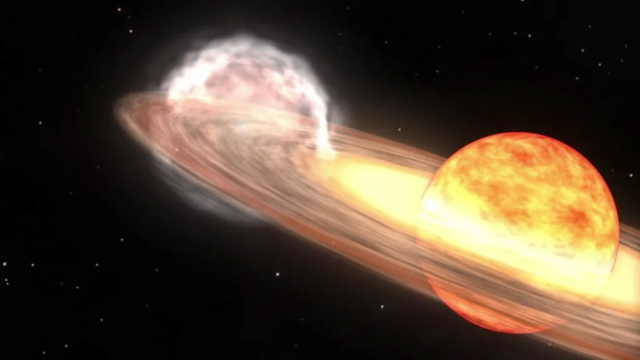
A dramatic cosmic explosion is expected this summer. NASA says the event will be visible to even the naked eye.

The sunspot responsible for the odd series of strong solar flares is so big you can see it with your own eyes from Earth.