Maryland car parts manufacturer explains how new tariffs will affect vehicle repairs
A Maryland car parts manufacturing company is preparing for the financial squeeze, which could affect its customers.
While the United States and global economy try to adjust to the retaliatory tariffs by the Trump administration, the auto consumer and businesses such as Sikky Manufacturing are just along for the ride as their wallets tighten.
"There is side effects that will happen because of maybe a weakening economy, where consumer demand might go lower because they're paying more for other items," said James Evans, president of Sikky Manufacturing.
As a rollercoaster of a day on Wall Street comes to a close, retaliatory tariffs by the Trump administration are expected to increase the price of everything from food to the car you drive.
"I mean, I think it's going to be tough for everybody in certain aspects, depending on the life they're living and what they're doing, you know, they might feel it more than others," Evans said.
Potential sticker shock
Evans will be the first to tell you that all of his products are made in the United States. Since 2008, his team has made their own car parts inside an East Baltimore factory.
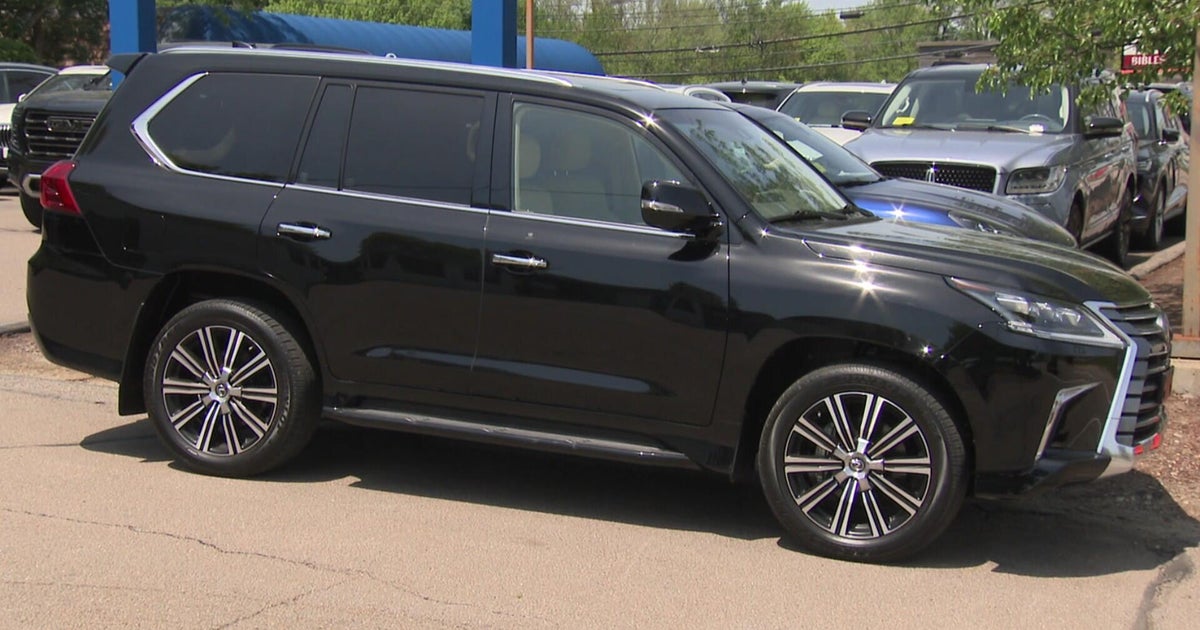
However, for most who import their parts, everyone, in some way, will certainly feel the sticker shock.
"Everybody just kind of wants things to settle out, at least other business owners I talked to," Evans said. "It's just so much turmoil, nobody really knows what's coming, and things keep changing on a daily basis."
From 3D printing machines that literally make the parts they need to the welding to perfect the parts made to order, Sikky Manufacturing, while made in the U.S.A., now has to prepare for a flooded market for raw materials as domestic demand is expected to increase.
"So we have kind of learned how to navigate higher costs to make stuff and still be competitive enough where the consumer still wants to buy our products," Evans said.
While the short term may look bleak on the economic front, Evans sees the silver lining, all in hopes of the long-term success for U.S.-made manufacturers, less reliant on overseas imports.
"I kind of have that glass half full mentality, that's what I hope will happen, but realistically, we are all along for the ride at this point," Evans said.
Trump's tariffs
Mr. Trump last week announced a baseline 10% tax on all U.S. imports, plus additional "reciprocal" tariffs on imports from 90 countries. He pitched the tariffs as a strategy to reduce the trade deficit between the U.S. and other global powers, including China and the European Union.
In addition to the baseline tax, Mr. Trump had said China would face a "reciprocal" levy of 34%, and in response to Beijing's retaliatory tariffs on U.S. exports, the president has threatened to impose an additional 50% tariff on China if it does not lift those duties by Tuesday.
Impact on Port of Baltimore
Dockworkers in Baltimore are bracing for the long-term effects and wondering if shipments will slow down in the months ahead.
The Port of Baltimore, one of the nation's busiest port facilities, supports thousands of local jobs and brings in billions of dollars worth of goods, especially car parts and produce, according to Maryland economists.
"This is deeply problematic, what we are seeing with this unnecessary and self-imposed trade war," Moore said.