How to register for severe weather alerts and notifications throughout Maryland
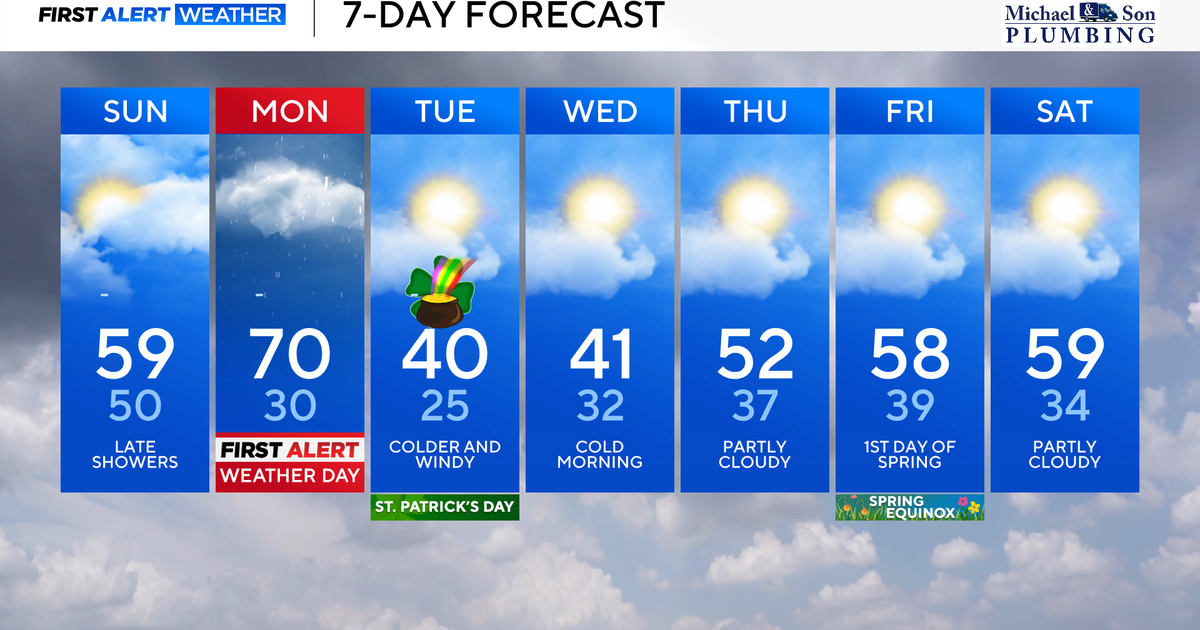
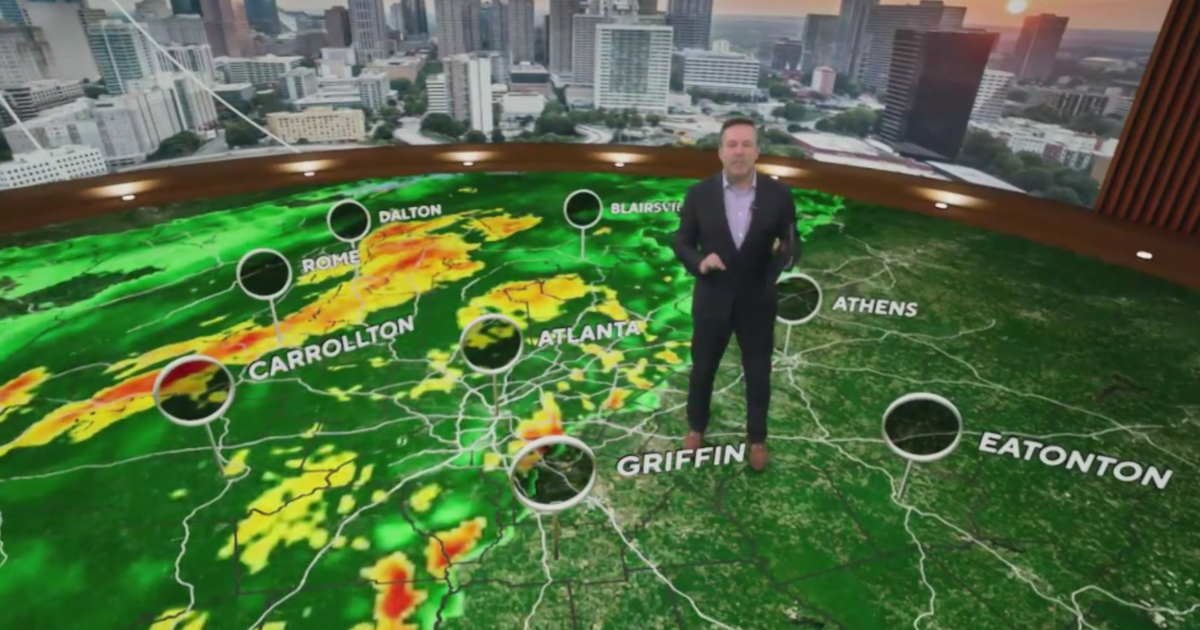
With the potential for severe storms and possible tornadoes moving into our region on Monday, March 16, emergency managers say one of the most important steps you can take right now is making sure you receive local emergency alerts.
Many counties across Maryland and Baltimore City offer free notification systems that send warnings directly to your phone, email, or text message during dangerous weather and other emergencies.
It's also advised registering for multiple ways to receive alerts and warnings. You can register for our First Alert Weather notifications by downloading the CBS Baltimore App by clicking here.
Where to get emergency alerts
Here's a list of where you can sign up for alerts in every county across our region and Baltimore City to receive this potentially lifesaving notifications:
- Allegany County Everbridge Alert
- Anne Arundel County Alert Anne Arundel
- City of Baltimore BMORE Alert
- Baltimore County BaltCo Alert
- Calvert County Alert
- Caroline County
- Carroll County Carroll Alert
- Cecil County
- Charles County
- Dorchester County Emergency Alert Program
- Frederick County Alert FC
- Garrett County
- Harford County Hartford CoMd Alerts
- Howard County
- Kent County Emergency Alert Program
- Montgomery County Alert Montgomery
- Prince George's Alert Prince George's
- Queen Anne's County Citizen Alert System
- Saint Mary's County
- Somerset County
- Talbot County Citizen Alert System
- Washington County Washco MD Alerts
- Wicomico County
- Worcester County
Severe weather tips
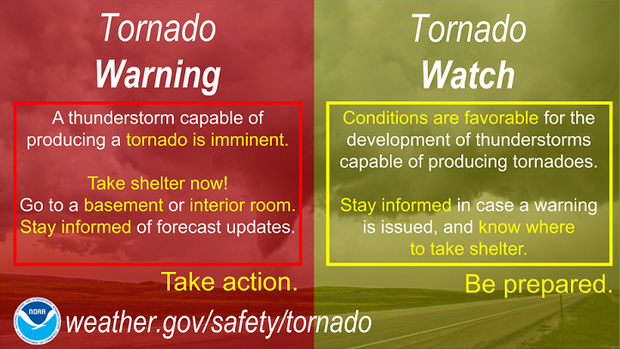
In addition to registering for notifications, these additional actions are recommended to prepare for the threat of severe weather. Remember a watch means to prepare and get ready to act while a warning means take action now.
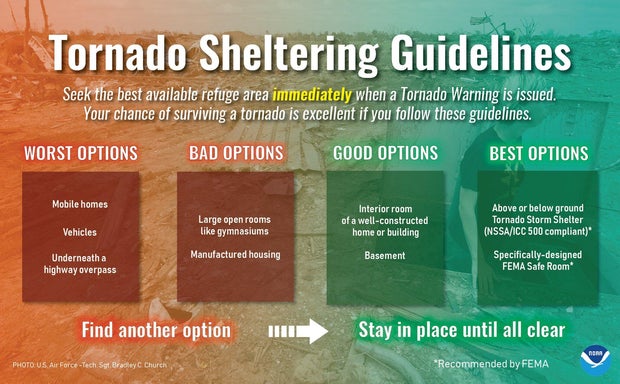
- Don't be outdoors when storms arrive. When you hear thunder, go indoors to a sturdy building or structure. Be aware of nearby large trees that could be toppled onto the building you are in.
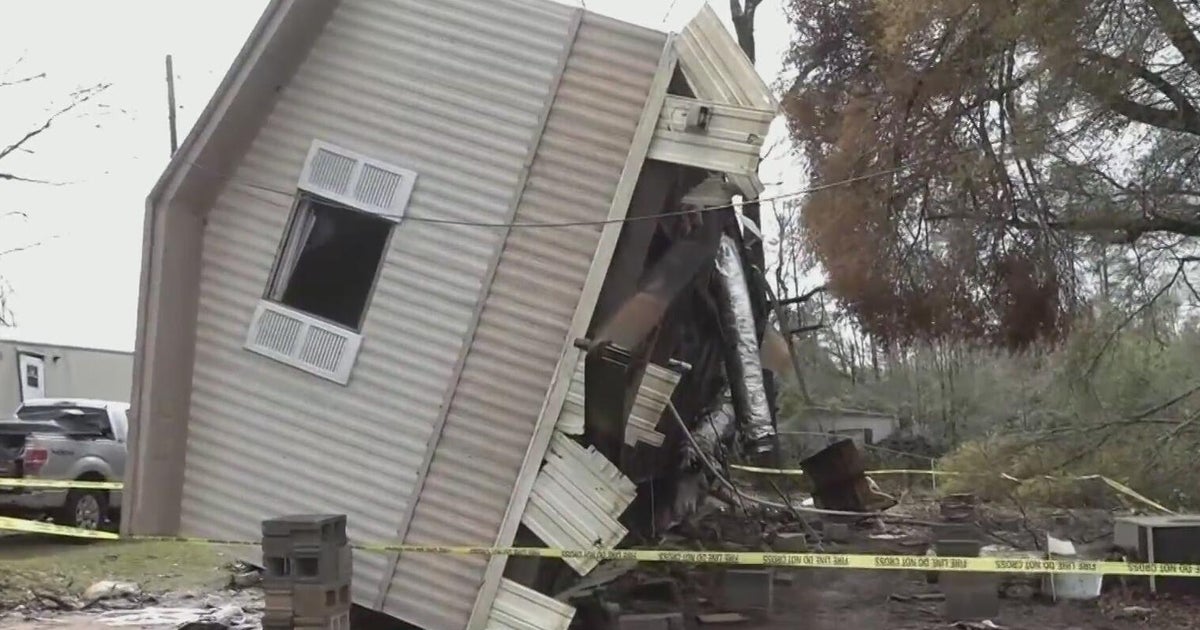
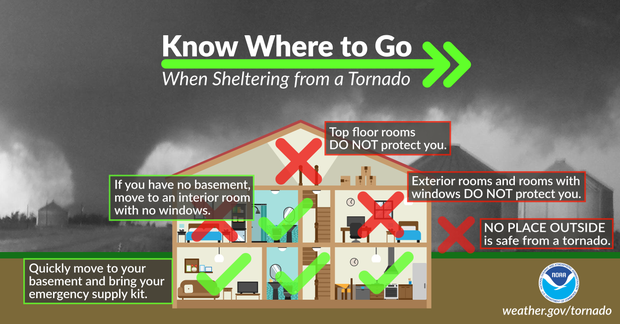
- While seeking shelter indoors, go to the lowest floor to an interior room. Stay away from windows (This includes at school or work). Those in mobile homes or weaker structures should plan ahead of time to shelter in a stronger structure.
- Be prepared for extended power outages, and the potential for some roads to be blocked by fallen trees.
- For after event cleanup, don't go outside until 30 minutes after you hear the last thunder; otherwise you are still susceptible to lightning.
- Be aware of downed power lines and unstable branches/trees.