Bills to protect voter rights in Maryland and strengthen child welfare system signed into law
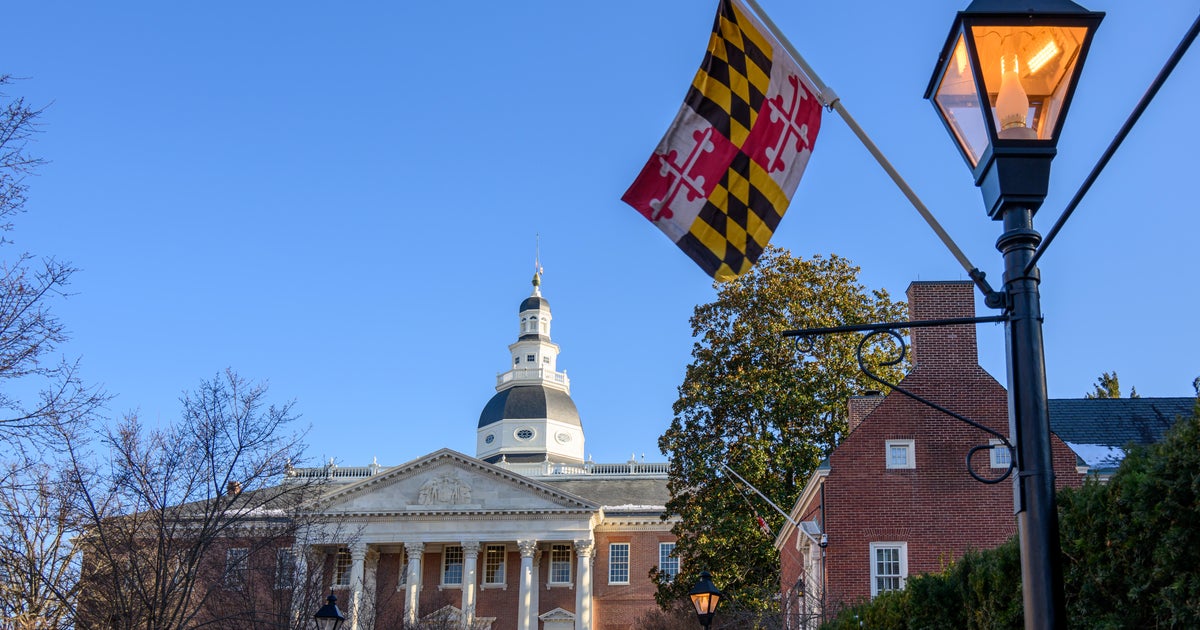
Maryland Gov. Wes Moore signed another batch of bills into law on Tuesday aimed at protecting voter rights, strengthening the state's child welfare system and eliminating dynamic grocery store pricing.
The governor previously signed 153 bills into law a day after the legislative session ended in mid-April.
Protecting Maryland voter rights
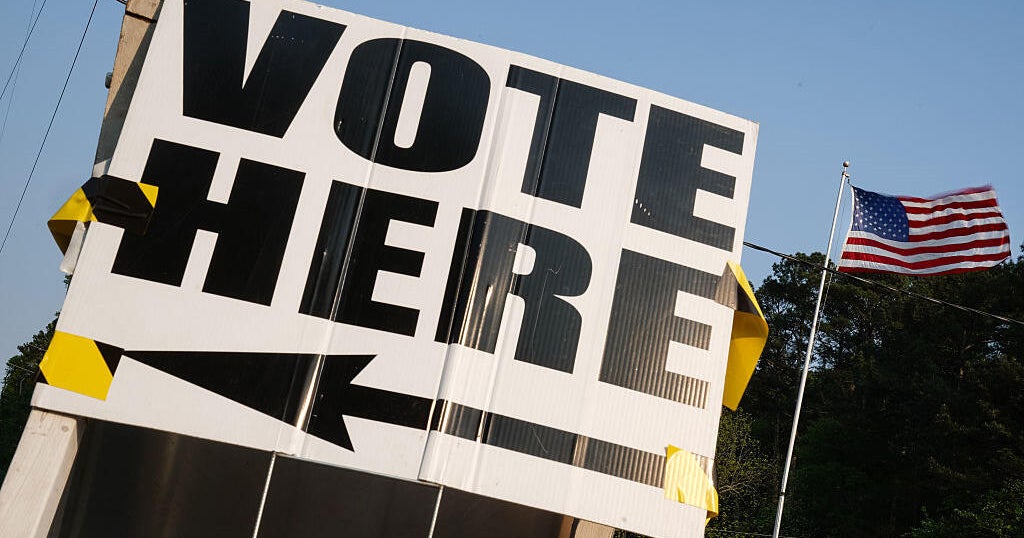
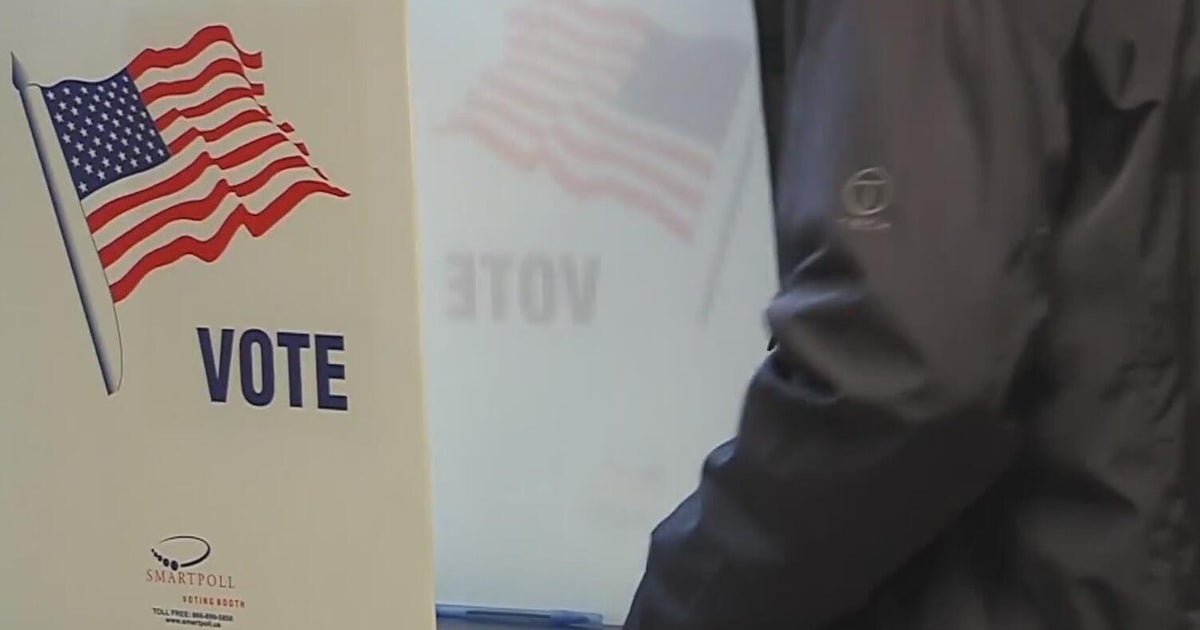
The Voting Rights Act of 2026 is an emergency bill that passed the general assembly on the final day after causing controversy between lawmakers. It aims to prevent local and county governments from impacting voters or the results of an election.
The new law will also allow residents or the state's Attorney General to sue local and county governments over their voting processes or plans. The law goes into effect immediately.
Oversight of Maryland's child welfare system
Kanaiyah's Law was named after Kanaiyah Ward, a 16-year-old who died while under the care of the state. The bill aims to strengthen oversight of Maryland's child welfare system.
Ward took her own life while being housed at a hotel in Baltimore. A report by the Maryland Department of Human Services found that she was neglected by her caretaker. The report also found that children under age five were being housed in unsupervised hotel rooms.
The new law will prevent the state from placing children in unlicensed homes like shelters, hotels or offices.
The law also expands background checks for adults living with guardians and would create an independent advocate position in the Attorney General's Office to handle complaints and review child welfare practices.
Kanaiyah's Law will go into effect on October 1, 2027.
Eliminating grocery store surveillance pricing
The Protection From Predatory Pricing Act will prevent grocery stores and third-party delivery services from using dynamic or surveillance pricing — including electronic shelf labels that can change the prices of items instantly, based on demand or other customer data.
The bill aims to protect consumers from automatic price gouging and unpredictable price spikes.
The law will require grocery stores to keep prices fixed for at least one business day and would ban the use of surveillance data in pricing systems. The law will go into effect on October 1, 2026.