Md. Children Of Illegal Immigrants Seek In-State Tuition
BALTIMORE (WJZ)--For the third time, there is a push to offer the children of illegal immigrants who've grown up in Maryland the ability to pay in-state tuition at some colleges and universities.
As Mike Schuh reports, the city of Baltimore is supporting the idea.
The governor's spokesman says they will have the final legislation to determine if they will support it.
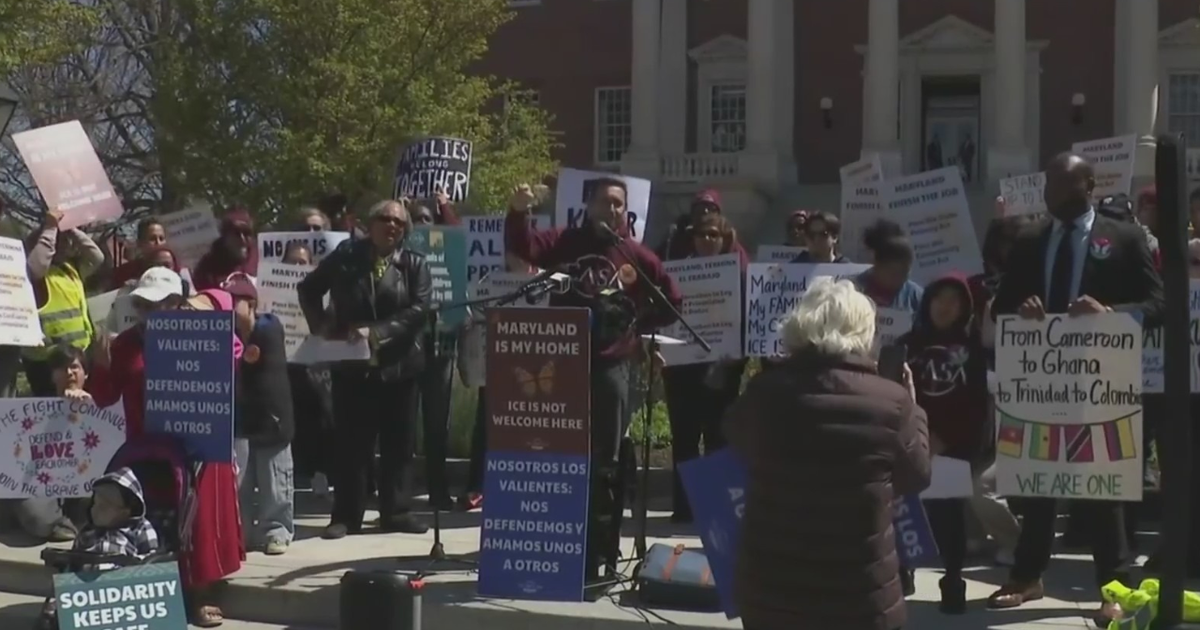
If the proposed bill becomes law, it would change the lives of the people at Thursday's hearing in council chambers. They've grown up in Maryland and have graduated from Maryland high schools. Now they want to go to college. What's standing in the way is that their parents are here illegally and it will cost them a lot more to go to college.
For instance, at Towson University, the in-state tuition is $2,600. The out-of-state/international rate is $8,300—a cost few illegals can afford.
"I'm working two jobs in order to save money and attend college next semester because my tuition is too high, as I'm considered an international student even though I have lived in Maryland for eight years," said Mizeal Garcia, CCBC student.
"College is not an option when being two to three times more for international pricing," said Gabriellia Ramos, Mercy High School student president.
The City Council heard from those supporting the change.
"So I think what we're talking about here is level the playing field for our students who've proven that their parents are paying taxes," said Louis Barreras, U.S. Hispanic Youth Entrepreneur Education.
But there is strong opposition in Annapolis.
"The citizens of Maryland do not offer in-state tuition to their fellow Americans," said House Minority Leader Anthony J. O' Donnell (R-Calvert). "Why would we offer in-state tuition to people who violated our laws to get here?"
In the end, the council voted to let the legislators in Annapolis know that it supports in-state tuition for illegal immigrants.
In two weeks, there will be a hearing in Annapolis of the bill's 18 sponsors. One-third of them are from the Baltimore area.
The governor's spokesperson says they will have to study the final legislation to determine if they will support it.