Motorcyclist among the most vulnerable on Maryland roads. Classes aim to reduce deaths.

Motorcycle riding season is upon us, but according to the Maryland Highway Safety Office, motorcyclists are among the most vulnerable on the roads.
This is why the Maryland Department of Transportation's Highway Safety Office is once again teaming up with Maryland State Police for the fifth year to offer the Maryland Motor Officers Teaching Other Riders Safety (MOTORS) training class.
"The Maryland MOTORS training class is really for riders of all levels to redouble down on their motorcycle skills to be safer on the roadways," said Motor Vehicle Administrator Chrissy Nizer.
Reducing motorcycle deaths
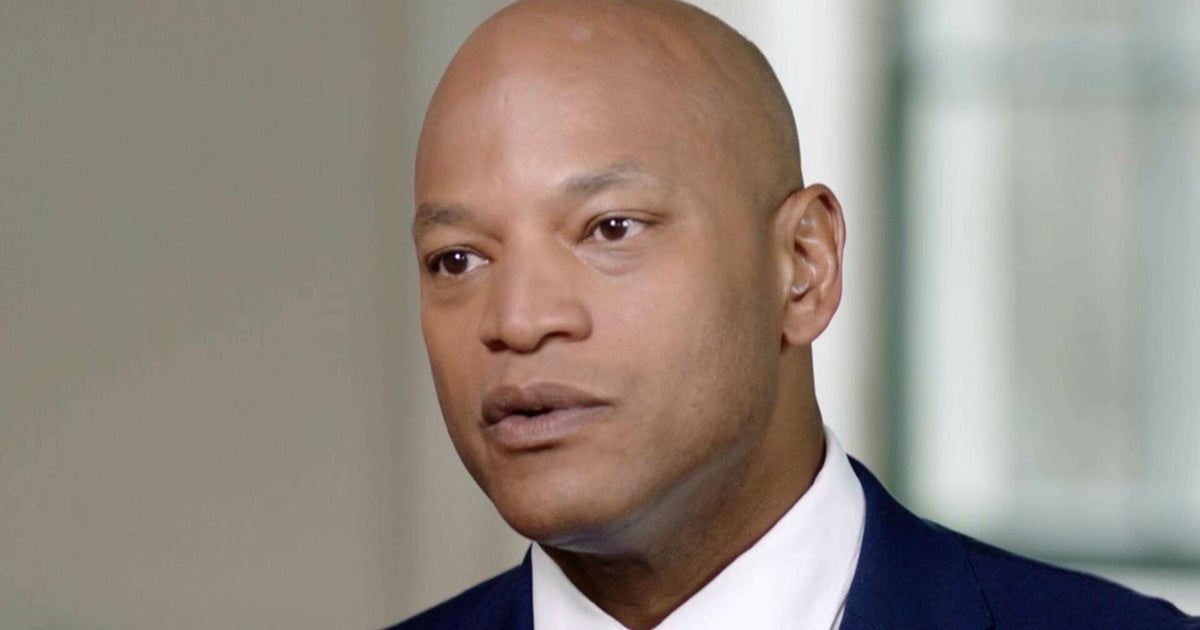
Nizer also serves as Gov. Wes Moore's Highway Safety Representative. She explained that because motorcyclists lack the same protection as a vehicle, they are far more likely to be seriously injured or killed in a crash.
"Something like a pothole might not seem as much to you in your car, even grass on the side of the road, but for a motorcycle, it might be something that's much more dangerous," Nizer said.
In 2025, there were 49 motorcycle-involved fatalities in Maryland, and eight motorcyclist deaths have already occurred this year.
"We saw a 50% decrease in those fatalities, but that still meant that 49 motorcyclists didn't make it home to their families," explained Nizer. "Certainly, we recognize that motorcyclists are incredibly vulnerable. They obviously don't have the same protection that you might have in a vehicle, and we want to keep everybody safe. We want to reach zero fatalities."
Motorcycle safety classes
The MOTORS class is designed to make sure the fatality rate keeps going down, so all riders of all skill levels aren't involved in any fatal crashes.
"One of our goals is to try to save lives on the roadway, and that includes our motorcycle riders," Nizer said.
The training class includes a classroom session and a mentored road ride where riders are accompanied by motor officers. During the ride, officers will give feedback, share tips to improve visibility, lane positioning and defensive riding strategies.
"It starts, obviously, with that [Department of Transportation]-certified helmet and eye protection; it is a requirement in Maryland to have that helmet on, but it's also making sure that you have a long shirt and pants to protect the rest of your body, as well as boots and gloves," Nizer said.
The one-day classes are free, open for registration, and are offered on a first-come, first-served basis. Classes begin April 13 throughout the state.
"We want to make sure that everybody makes it home, especially in the beginning of the riding year," Nizer said.
Riders who are interested in taking the class can sign up or find more information here.
Additional classes are offered exclusively to military members and affiliates at Fort Meade for those with existing badge access. Find information about military classes here.
A list of additional training centers where riders can learn skills and strategies for responsible motorcycle operation can be found here.