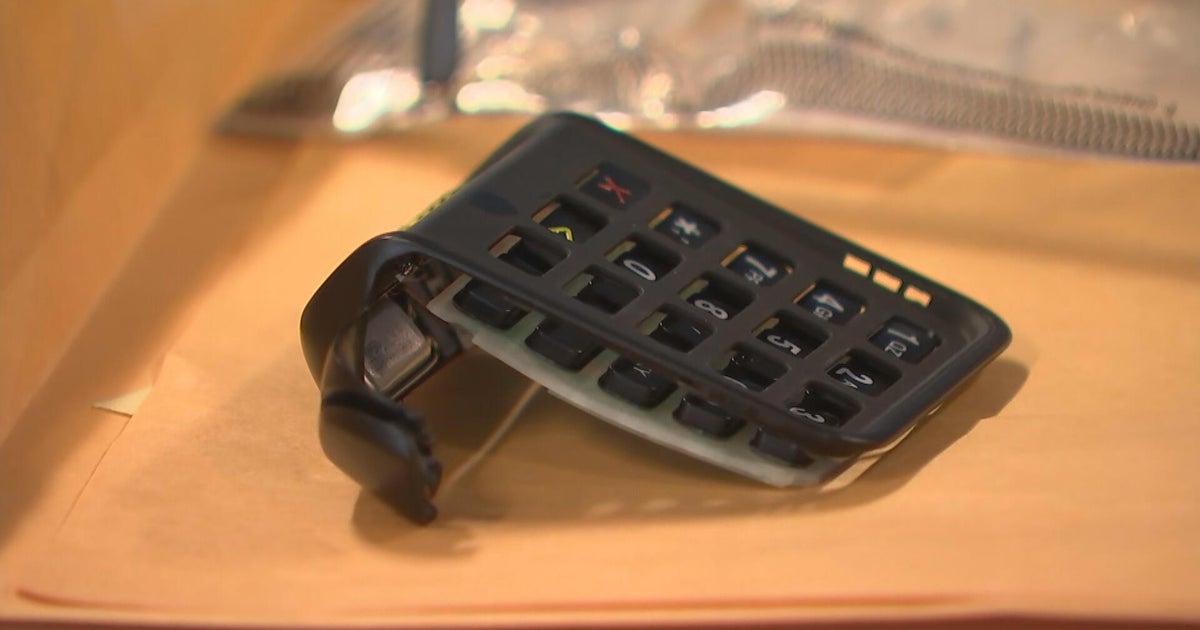
Baltimore man accused of installing card skimming devices around Maryland
A Baltimore man was arrested for allegedly installing card skimming devices at multiple retail locations around Maryland, according to the Calvert County Sheriff's Office.
Becam CiuCiu, 20, was arrested following an extensive investigation that involved police from multiple jurisdictions, officials said.
Officials said they investigated several cases of skimming incidents attached to pin pads at 7-Eleven stores in Calvert County starting in October 2025.
Skimming devices are used to capture debit and credit card information and pin numbers from point-of-sale machines or ATMs.
Suspects can use the information to create counterfeit cards and make unauthorized purchases. The devices can also be used to recreate EBT cards or other cards that use a magnetic strip.
During the investigation, officials identified CiuCiu as the suspect. According to officials, he installed card skimming devices at several 7-Eleven locations in Maryland.
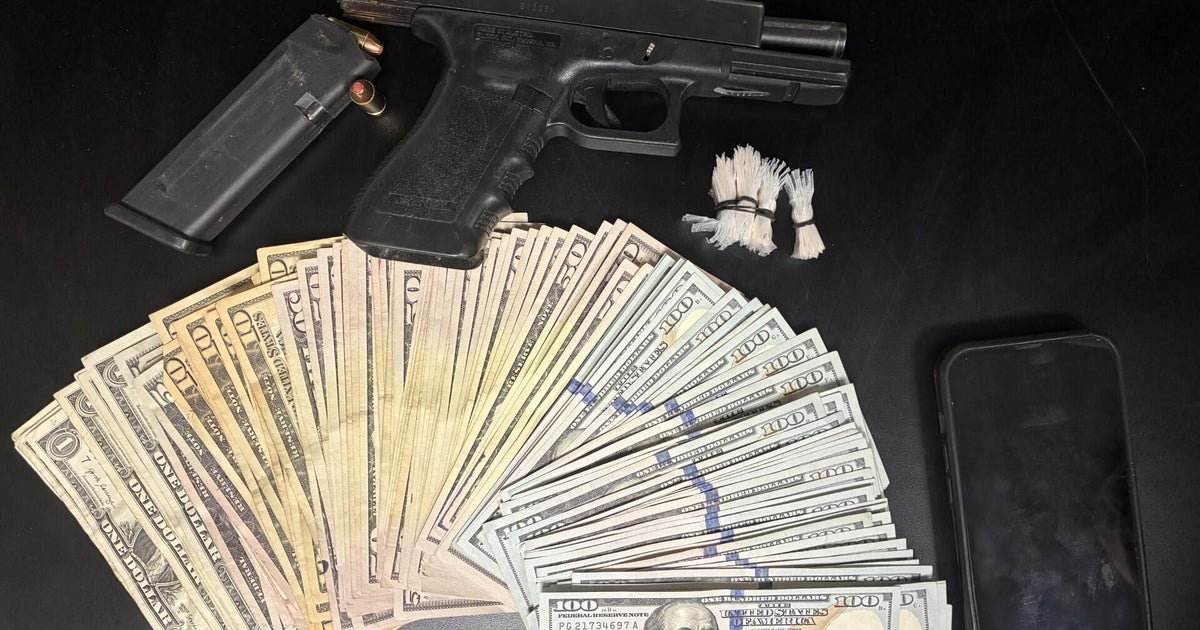
On February 5, deputies arrested CiuCiu and searched his home in Baltimore. During the search, officials said they found 15 card skimming devices, 71 encoded cards, manufacturing equipment and nearly $21,000 in cash.
CiuCiu was charged with possession of skimming devices and identity fraud.
The investigation is ongoing, and additional charges or arrests are possible, officials said.
Card skimming schemes
In October, a U.S. Secret Service (USSS) operation revealed 22 card skimming devices that were installed at businesses in Baltimore.
USSS officials said the operation was part of a country-wide effort that prevented nearly $22.9 million in losses.
According to the FBI, card skimming devices cost banks and financial institutions more than $1 billion each year.
Identifying a card skimmer
According to the USSS, card skimmers often look like part of a card reader. If the device feels wiggly or is detachable, it may be a skimmer.
Customers should inspect ATMs or point of sale pin pads before inserting their cards. Misaligned pieces or odd angles could also be a sign that a card skimmer is in place.
Card skimmers can also be identified by loose, crooked, damaged or scratched pieces.
Other things to watch for include lack of backlights for pin pad keys, unusually thick keys and keys that feel sticky when pressed.
Officials recommend using the tap-to-pay feature instead of inserting debit or credit cards into card readers.