Maryland considers bill to make the extinct megalodon the official state shark

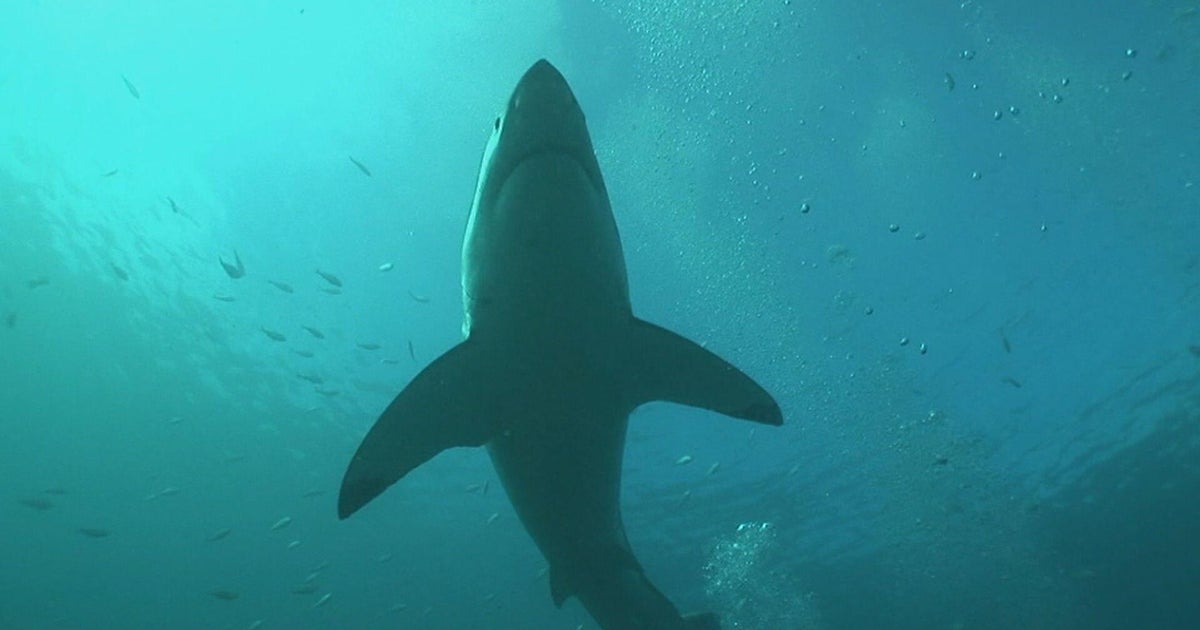
Maryland leaders are considering a bill that would make the extinct megalodon the official state shark.
Even though the species has been extinct for millions of years, supporters of the proposed bill say the idea still has plenty of teeth.
The bill is still making its way through the Maryland General Assembly.
Hunting for megalodon remnants
Along the shores of Calvert Cliffs in Calvert County, the hunt for megalodon teeth is one that requires patience and a sharp eye.
A few times a week, Emily Byzdyk walks for miles along the beach, scanning the surf line where waves turn over rocks and reveal hidden treasures.
"The slower the better," Byzdyk said. "Some days you find something cool. Most of the time, you don't."
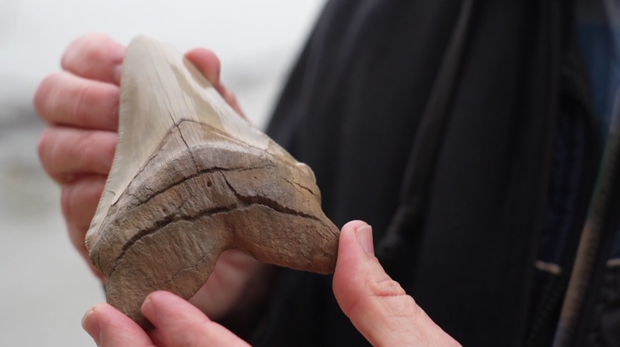
Every so often, though, a shark tooth surfaces. One that belongs to the largest predator that ever patrolled the waters.
"Pure adrenaline," Byzdyk said when asked how it feels to find a megalodon tooth. "It's just an awesome feeling. It's kind of like a surprise, like a birthday surprise or something. You do kind of start to crave that feeling."
"It's the biggest shark, so there's just something about it," Byzdyk added. "This is like the biggest predator that was out here."
Megalodons in Maryland
Millions of years ago, the stretch of land along Calvert Cliffs was the ocean. As the sea levels have dropped and the cliffs have become exposed, so too have their secrets.
"15 million years ago, we're standing on the bottom of the ocean, the ocean would have been above us," said Steven Godfrey, Curator of Pleontology at the Calvert Marine Museum. "Over 650 kinds of organisms that are found in these sediments they are living in the sediments and the ocean above us."
According to Godfrey, out of all the creatures that once lived in the oceans, the megalodon ruled the waters.
"These sharks would have been absolutely ruthless in their predatory habits," Godfrey said. "There was no compassion, no kindness, no gentleness, no weakness— they were just going in for the kill."
Godfrey said megalodons would go head-to-head with whales, dolphins and other predators.
With teeth up to seven inches long, scientists estimate that the largest megalodons reached up to 80 feet, and rarely lost a fight.
"That's the largest macropredator that's ever existed, the largest shark that's ever lived," Godfrey said.
Leaving a lasting reputation
While megalodons have long been extinct, their legacy still washes ashore, with hundreds of megalodon teeth being found each year.
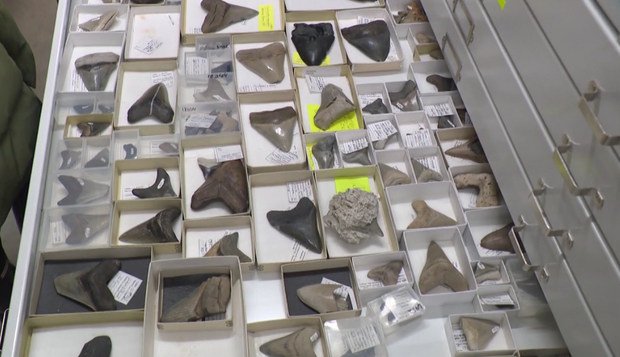
The megalodon's rich history in Maryland and the fascination that it inspires are why some want it to be named the state shark.
"Everyone loves a giant super predator, especially one that is safely extinct, so we can now come out here and enjoy the beach without worrying about it," Byzdyk said. "It's just charismatic, it's the perfect state shark for Maryland."
The shark's history and legacy are carefully studied and put on display at the Calvery Marine Museum.
Godfrey said the megalodon is more than just jaw-dropping; it is a powerful teaching tool. Making it the state shark would magnify that, Godfrey says.
"It's a great educational tool, it's a hook to teach children about modern and past ecosystems," Godfrey said.
"There is no state anywhere that has ever designated itself a state shark, and why would we be the first?" he added.
Opposition to proposed megalodon bill
Not everyone is ready to sink their teeth into the idea of the megalodon as a state shark.
Critics say there are 41 species of existing sharks that the Department of Natural Resources is responsible for. Some argue that the megalodon should instead be designated as the state's "historic shark" instead.
Supporters argue that the proposal is about celebrating Maryland's deep history and inspiring generations to go big or go home.
"We have the largest shark that ever lived, up to almost 80 feet long, weighing between 100 and 200 thousand pounds, the largest teeth of any shark," Godfrey said. "It lived here in Maryland for at least 15 million years. That's a really impressive track record. Because they are extinct shouldn't diminish the fact that they were an amazing icon."