Keeping the history of a Black Maryland neighborhood alive

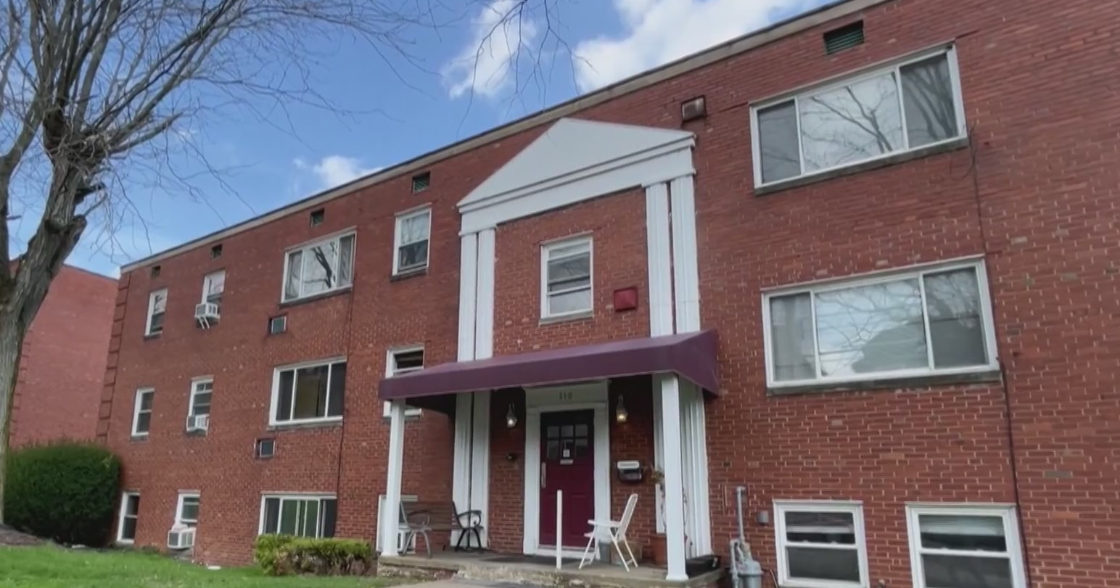
Turner Station is one of Maryland's few historically African American neighborhoods that is still standing.
The community established itself in Baltimore County. Many of the residents migrated to the area to work at Bethlehem Steel.
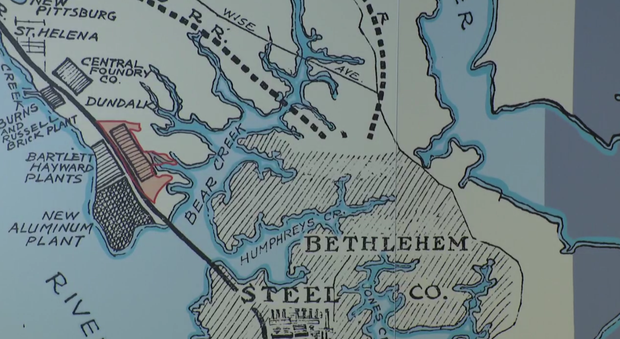
To celebrate its history, an exhibit opened at the Community College of Baltimore County (CCBC) Dundalk in November. It will remain open through April 17.
The exhibit was inspired by the Turner Station History Center, a community-led museum located in the neighborhood.
For those behind the museum, this is the kind of thing they want to see more of, to ensure the neighborhood's legacy is never forgotten.
Growing up in Turner Station
Inside the Turner Station and History Center is a trove of famous faces, mementos from the past, and most importantly, memories.
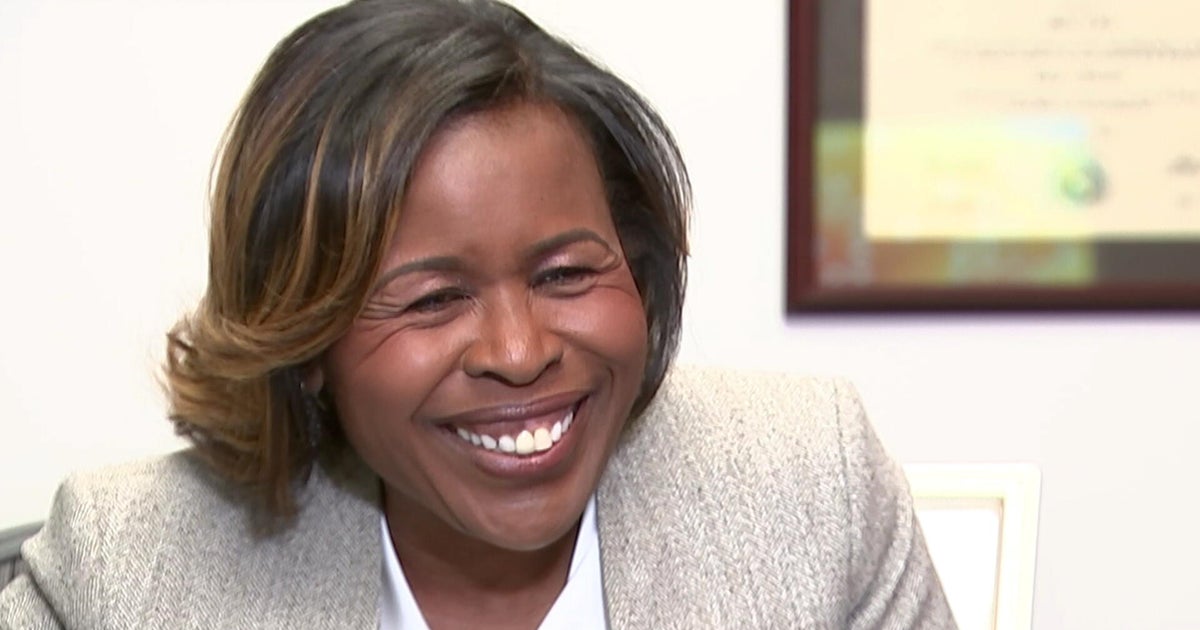
Edythe Brooks and Mandy Breedlove are the center's co-chairs. They both grew up in Turner Station.
"I liked hanging out with my friends and playing hopscotch. Back in the day, we had little fun games," Brooks said.
Breedlove recalled her first day of school and how her teacher and classmates sang to her.
"I remember thinking these are my people, this is my tribe," Breedlove said.
Many of Turner Station's original residents were African Americans from the South. From there, the community grew and grew.
Due to Jim Crow laws enforcing racial segregation at the time, Turner Station became a self-sustaining community.
"They said that the dollar circulated seven times before it left the neighborhood. Everything we needed was here," Breedlove said.
Brooks added that people didn't have to leave the neighborhood for things.
"It was a wonderful place to grow up," she said.
Sharing local history
Brooks and Breedlove say while the center — located inside the Sollers Point Multipurpose Center — is meant to preserve the community's history, it's also meant to be a means to share it with others.
"I remember somebody once saying if you don't tell your story, no one will," Breedlove said. "That became very important for us to tell our story. Our tagline is to remember, celebrate and share. That's what we do."
That desire to share the history eventually made its way to CCBC Dundalk, resulting in an on-campus exhibit.
Michelle Diane Wright, who teaches history and Africana studies at CCBC, was approached to curate the exhibit over a year ago.
As she worked on it, she decided to design it as a timeline to really showcase the community's nuanced history. There are well over 100 points on the timeline, according to Wright.
"[It was designed that way] so that people can contextualize different events, whether they were political, social, or economic...see what was going on at the same time," Wright said. "How [the events] overlapped and how they really influenced each other."
The timeline begins in the 19th century and goes up to the current day, including the collapse of the Francis Scott Key Bridge.
Many Turner Station residents built the bridge.
Seeing new exhibits like this pop up is what Breedlove and Brooks want more of. They never want their community to be lost.
"They wouldn't remember it. We would lose it. We can't celebrate what we don't know," Brooks said. "The next generation needs to see how much we accomplished off basically nothing."
CCBC Dundalk is hosting a reception for the Turner Station exhibit on Feb. 19. It begins at 6 p.m. and is open to the public.